How Ancient Egyptians Moved Mountains: Building Without Wheels
Chilling Hook:
They say the ancient ones harnessed more than just stone and muscle to lift their massive edifices into place. The secrets of the pyramids lie deeper, entwined in whispers passed down through millennia.
TL;DR Key Points
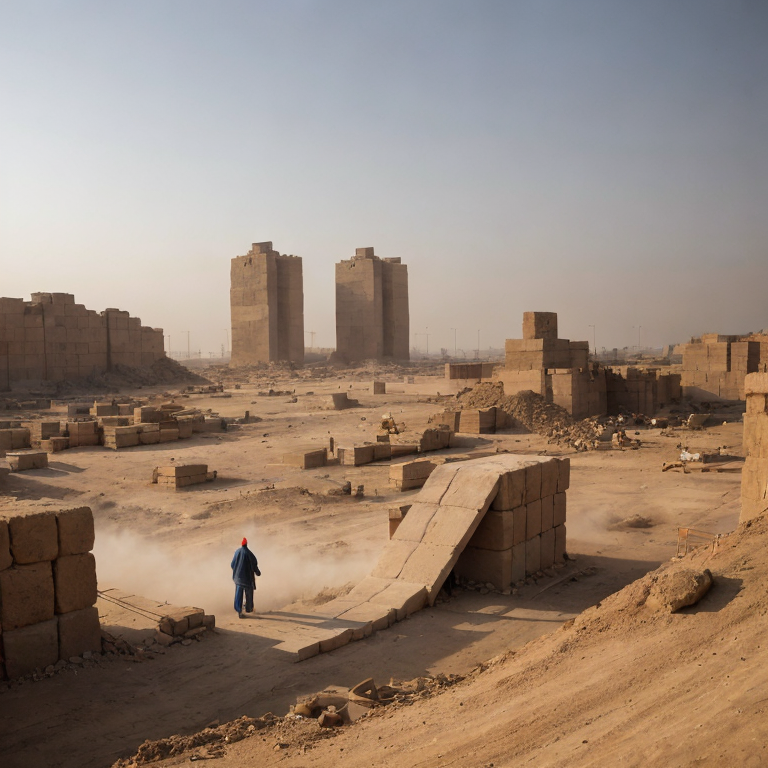
- Ancient Egyptians used sleds lubricated with wet clay for transporting heavy stones.
- Pulleys and ramps were utilized to lift stones onto higher levels during construction.
- Complex social organization played a significant role in managing labor and logistics.
- Theories suggest the influence of astronomy, mathematics, and mystical practices in planning constructions.
Techniques Ancient Egyptians Used to Build Pyramids
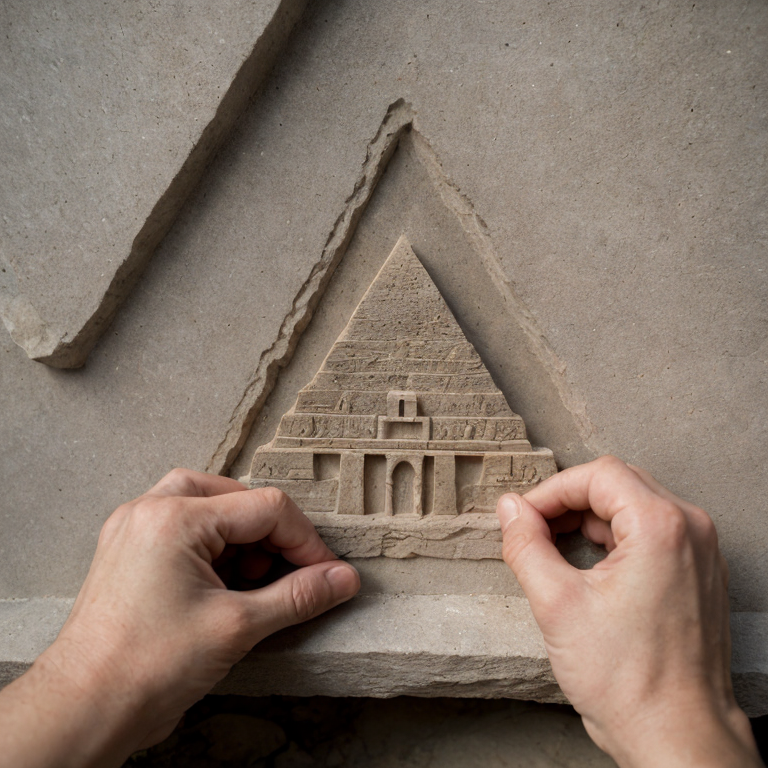
The sheer scale of ancient Egyptian architecture leaves us wondering how such monumental feats were accomplished with the limited technology available. Building without wheels seems impossible until you consider the ingenuity employed by these early engineers and architects. They relied on a combination of manual labor, simple machines, and strategic planning to achieve astonishing results.
Sleds and Wet Clay
One of the most commonly cited methods for moving large stone blocks is the use of sleds. The Egyptians designed flat-bottomed sleds that allowed stones to slide over wooden beams or sandy ground with ease. A crucial component was the lubrication provided by wet clay, which reduced friction significantly. By regularly pouring water and mixing it with sand on the sled's path, they created a slippery surface, making transportation much more manageable.
Pulleys and Ramps
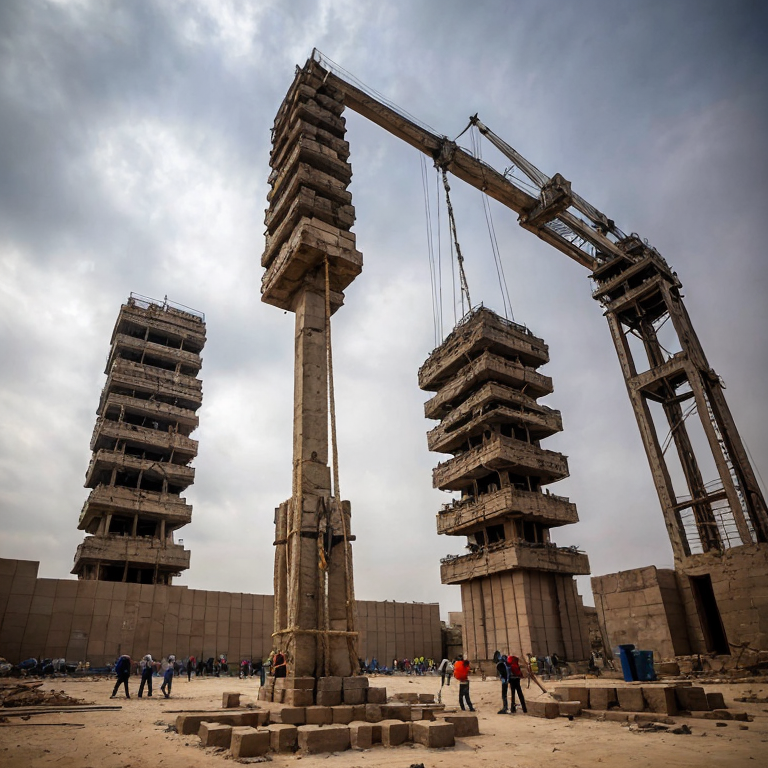
Pulleys were used to hoist stones into place vertically. These simple machines helped lift heavy weights using minimal effort. Archaeologists have found evidence of wooden A-frames at construction sites that facilitated this process. Additionally, long ramps were built from the ground up to help transport materials gradually upward as the pyramid grew taller.
Social Organization and Logistics
The sheer manpower required for such projects was staggering, with thousands of workers involved simultaneously. Ancient Egyptian society had a well-defined hierarchy where everyone knew their role—from skilled craftsmen who cut stones accurately to laborers responsible for moving them into place. Effective logistics ensured that materials were delivered precisely when needed.
Mystical and Astronomical Influences
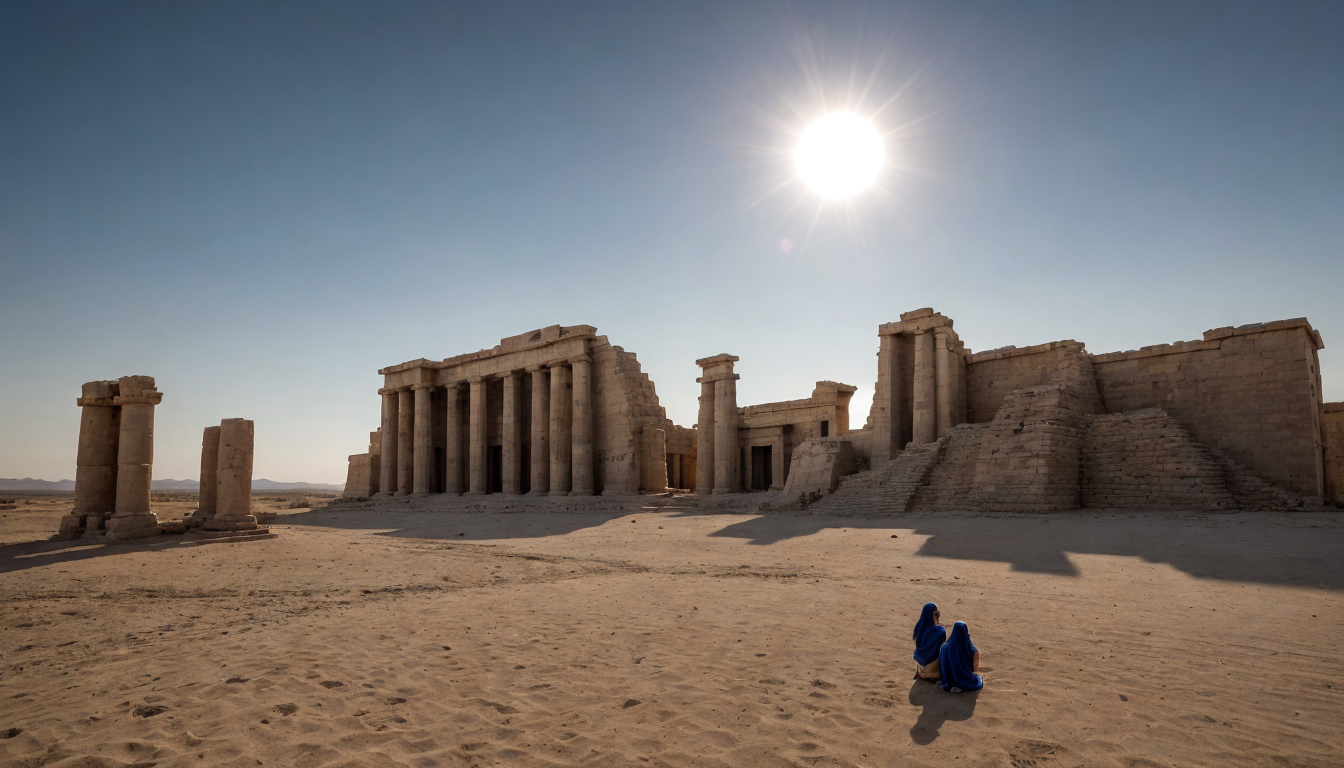
Some theories propose that beyond purely practical methods, ancient Egyptians integrated mystical practices and astronomical observations into the construction process. For example, some researchers believe that the orientation of pyramids was aligned with celestial bodies to imbue them with spiritual significance. This idea suggests a deeper connection between religious beliefs and architectural planning.
Reader Confessions
"I've always wondered if there's something more than just stone beneath the grandeur of these ancient monuments. Every time I visit, I feel as though they whisper secrets from another age."
— Anonymous
Lore Breadcrumb
The Ashen Gospel mentions a forgotten verse, number 45 in its margins, which speaks of "builders who walked with shadows and moved mountains without the wheel."
The Role of Astronomy
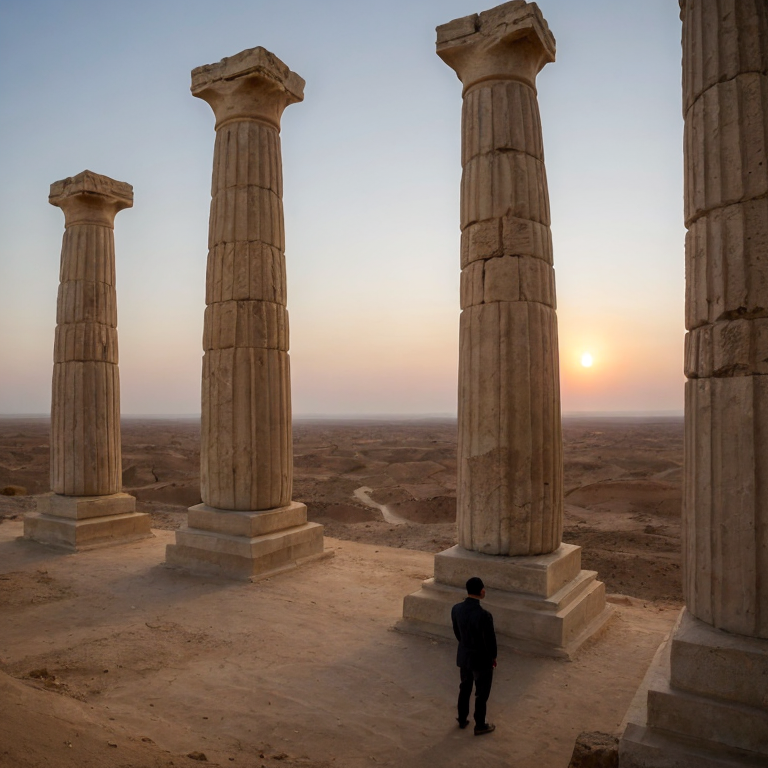
Astronomical knowledge played an integral part in planning not only when to start construction but also how the structure should be oriented. Aligning the pyramids with specific stars or celestial events could have symbolic meaning related to their intended purpose, such as connecting the pharaohs’ spirits with deities.
Mid-Article Cliffhanger
As historians continue piecing together the past, a recurring theme emerges: ancient builders didn't just work within the realm of the visible. The question remains—what unseen forces guided them?
Conclusion
The techniques used by ancient Egyptians to construct monumental architecture like pyramids without wheels are testament to human ingenuity and persistence. Through sleds lubricated with wet clay, pulleys and ramps for vertical movement, meticulous social organization, and possible mystical influences tied to the stars, these early civilizations achieved what seems impossible today.
Yet as we dig deeper into the history of their construction practices, one thing becomes clear: there is always more beneath the surface. What else remains hidden in plain sight?
Lore Breadcrumb
Hollow Pines is said to be a place where time bends, and shadows whisper secrets from another dimension.
We do not sleep. We wait.
Reader Confessions
"In Hollow Pines, I've noticed that certain trees seem to lean in closer when it's dark. They almost appear to listen to something beyond the wind."
— Anonymous