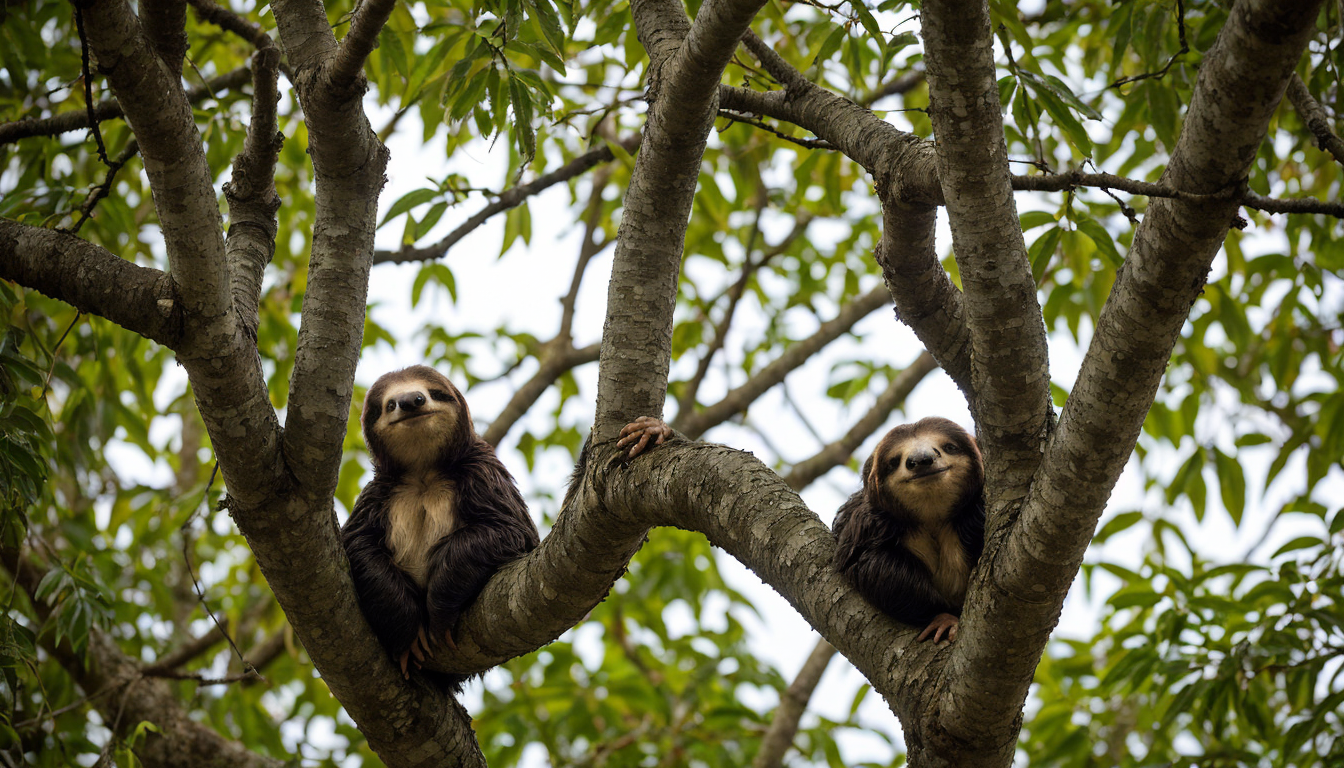
Why Sloths Poop Without Falling: Strange Tree Dwellers
Imagine a world where the trees hold secrets older than time itself. In this realm, sloths navigate their way through the canopy with an enigmatic grace. They climb to dizzying heights and then perform one of nature's quirkiest acts: defecating safely while hanging upside down in the treetops.
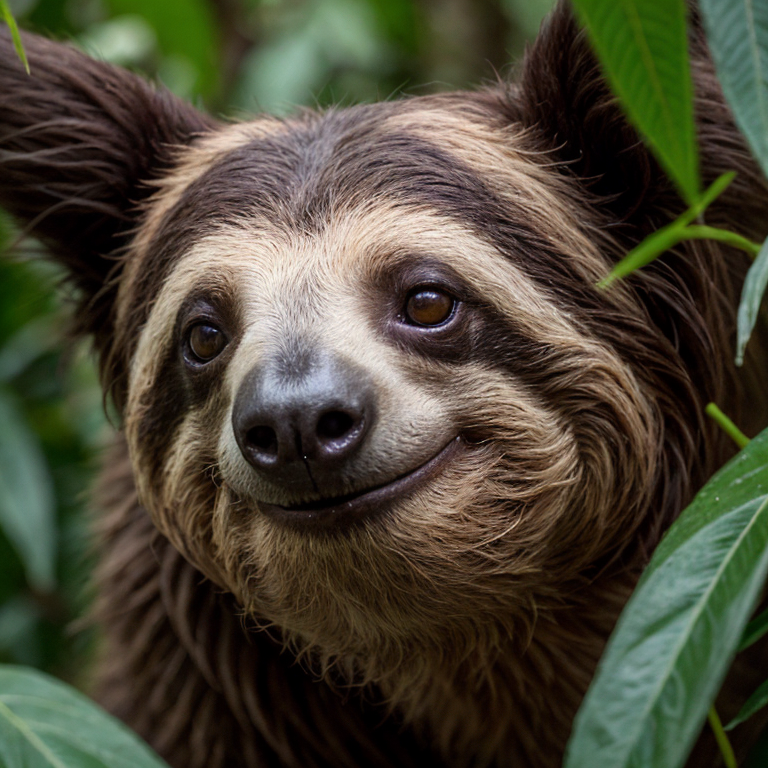
Chilling Hook: "They say every tree is a silent sentinel, guarding the secrets of those who visit Hollow Pines. Among these mysteries, none are stranger than the sloths—animals that defy gravity and reason."
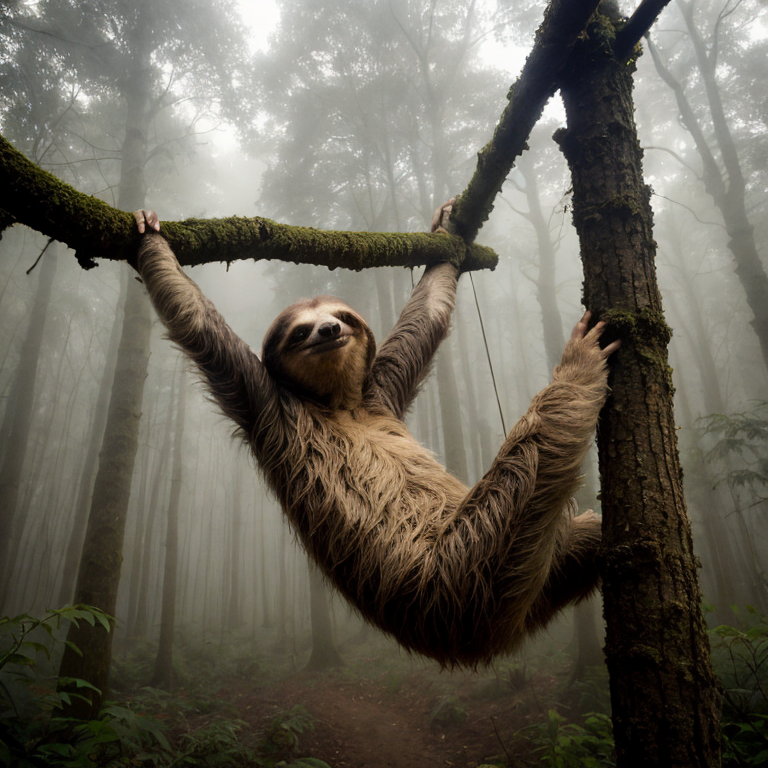
How Do Sloths Avoid Falling While Pooping?
Sloths live their lives almost entirely in trees, where they sleep, eat, mate, and even give birth. But one of nature's most perplexing questions remains: how do sloths poop without falling to the ground below? It’s a question that combines scientific intrigue with an air of mystery.
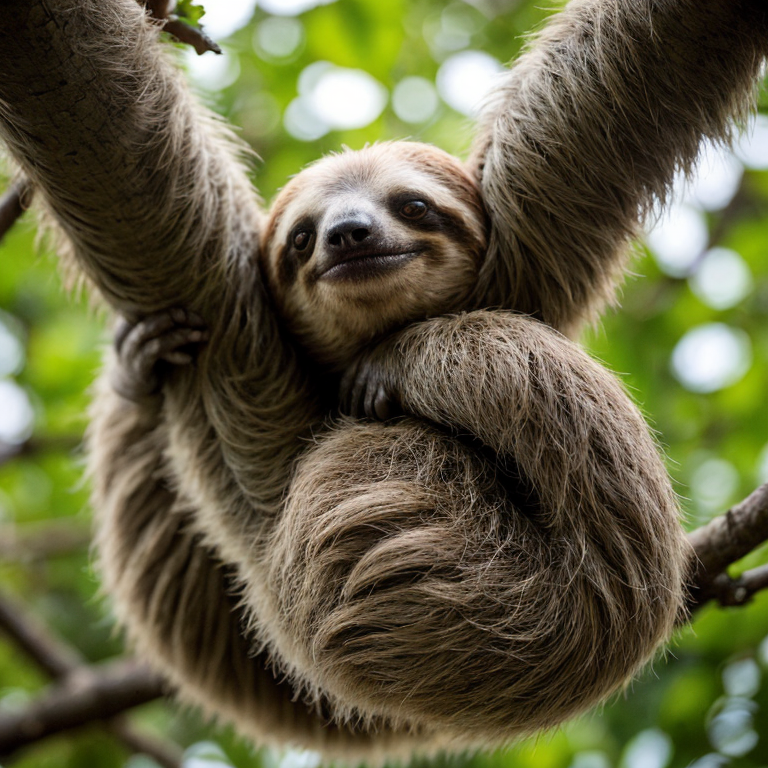
The Science Behind Sloth Pooping
H2: Unique Defecation Behavior in Trees
Sloths have adapted some fascinating biological mechanisms to handle their daily necessities. Their digestive systems are remarkably slow, which means they can go weeks without needing to poop. When the moment finally comes, however, it’s a significant event. Here's how they manage this feat:
-
Muscle Control: Sloths use powerful leg muscles and abdominal strength to hang securely while defecating. They grasp tightly onto branches with three claws on each foot.
-
Limb Strength: The sloth's forelimbs are equipped with strong tendons that help them maintain their grip, even as they release waste from the underside of their body.
-
Tail Positioning: Sloths often position themselves so that their tails point downward during defecation. This minimizes any loss of balance and keeps them firmly attached to the tree branch.
-
Adhesive Secretions: Some research suggests sloth fur contains algae, which can act as a natural adhesive when wet. Combined with the stickiness from feces, this helps maintain their grip.
TL;DR: Key Points on Sloth Pooping
- Sloths go weeks between poops.
- Powerful muscles and tendons keep them hanging safely.
- Tail positioning aids in maintaining balance.
- Adhesive secretions might play a role.
H2: Natural Adaptations for Life in the Trees
Sloths are evolutionary marvels, each adaptation designed to minimize energy expenditure. From their slow metabolism to their ability to cling tightly, sloths have evolved to thrive high above ground. However, defecation presents unique challenges that nature has elegantly solved.
The Sloth's Diet and Digestion
H3: Slow Metabolism and Leaf Consumption
Sloths primarily feed on leaves, which are low in nutrients but abundant. Their digestive system is highly specialized to extract as much energy from these leaves as possible, resulting in infrequent bowel movements. This slow metabolism also reduces the risk of falling due to reduced movement frequency.
H3: The Impact of Feces and Balance
Sloths have a unique way of dealing with their waste that further aids balance:
- Fecal Composition: Their droppings are more liquid than solid, allowing them to pass through their system without requiring significant force or physical strain.
- Efficient Evacuation: This liquid-like consistency reduces the risk of losing grip and falling.
Reader Confession:
“I remember one day while camping in the forest, I saw a sloth hanging upside down. As it pooped, its tail remained curled around a branch. It was as if nature had designed every detail to keep it safe.”
H2: Curious Tree Dwellers
Despite their slow pace and seemingly simple lives, sloths are incredibly complex creatures. They face dangers like falling and the need for regular defecation, which they overcome with incredible grace and precision.
Lore Breadcrumb
** In The Ashen Gospel, there is a verse that speaks of 'the silent travelers who never fall.' These words have been whispered around Hollow Pines, suggesting an ancient connection between the sloths' natural abilities and deeper mysteries.
H2: Mid-Story Twist
As I delved into the details of how sloths manage such an intricate balancing act, my mind wandered to a peculiar memory. A night under the stars, with only the sounds of rustling leaves and distant calls guiding me. Suddenly, in the midst of this serene environment, something shifted—an unexplainable chill brushed against my spine.
And there it was: a whisper among the trees—a faint yet undeniable sense that perhaps the sloths aren't just animals navigating their daily needs. Could they be more?
Conclusion
Sloths are not only biological marvels but also guardians of nature's deeper enigmas. Their ability to poop safely from great heights challenges our understanding of balance and survival.
Open-Ended Close: As I stood there, the forest seemed alive with secrets waiting to be revealed. The next time you spot a sloth high in the trees, remember: they might just hold the key to unlocking mysteries far beyond their daily routines.
TL;DR: Key Points
- Slow Metabolism: Sloths eat leaves and go weeks between poops.
- Strong Grip Mechanisms: Legs with powerful tendons help them maintain balance.
- Liquid Feces: Their poop is more liquid, making release easier without falling.
- Natural Adhesives: Algae in their fur can provide extra grip when wet.
Lore Breadcrumb
** The Choir ledgers are missing page 13; perhaps it details the true nature of these silent sentinels who never fall.
Every time I think about sloths, a part of me wonders if there’s more to their story. The way they move and interact with the world seems almost… deliberate. As the forest quiets under the moonlight, I can’t shake the feeling that some secrets are better left undisturbed.
We do not sleep. We wait.
— The Pale Veil