Why Does a Cat's Tongue Feel Like Sandpaper?
TL;DR
- Cats use their rough tongues to effectively groom and clean themselves.
- The texture of a cat’s tongue is due to small, backward-facing spines called papillae made of keratin.
- These papillae help remove loose hair, dirt, and debris from the fur.
- Saliva on the tongue serves multiple purposes including temperature regulation and wound healing.
- Regular grooming with a rough tongue helps maintain a cat's coat health.
The Science Behind Cat Tongue Texture
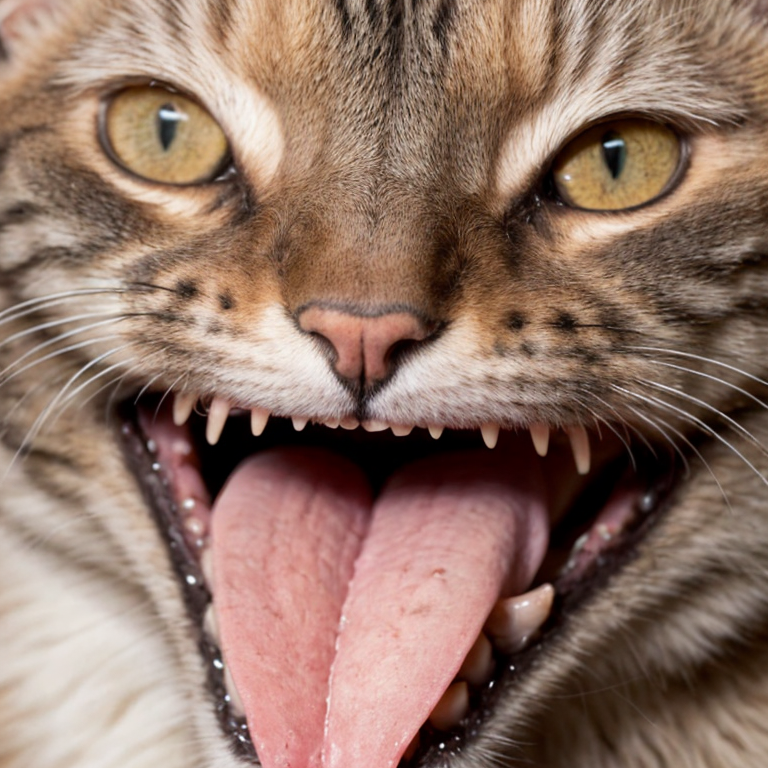
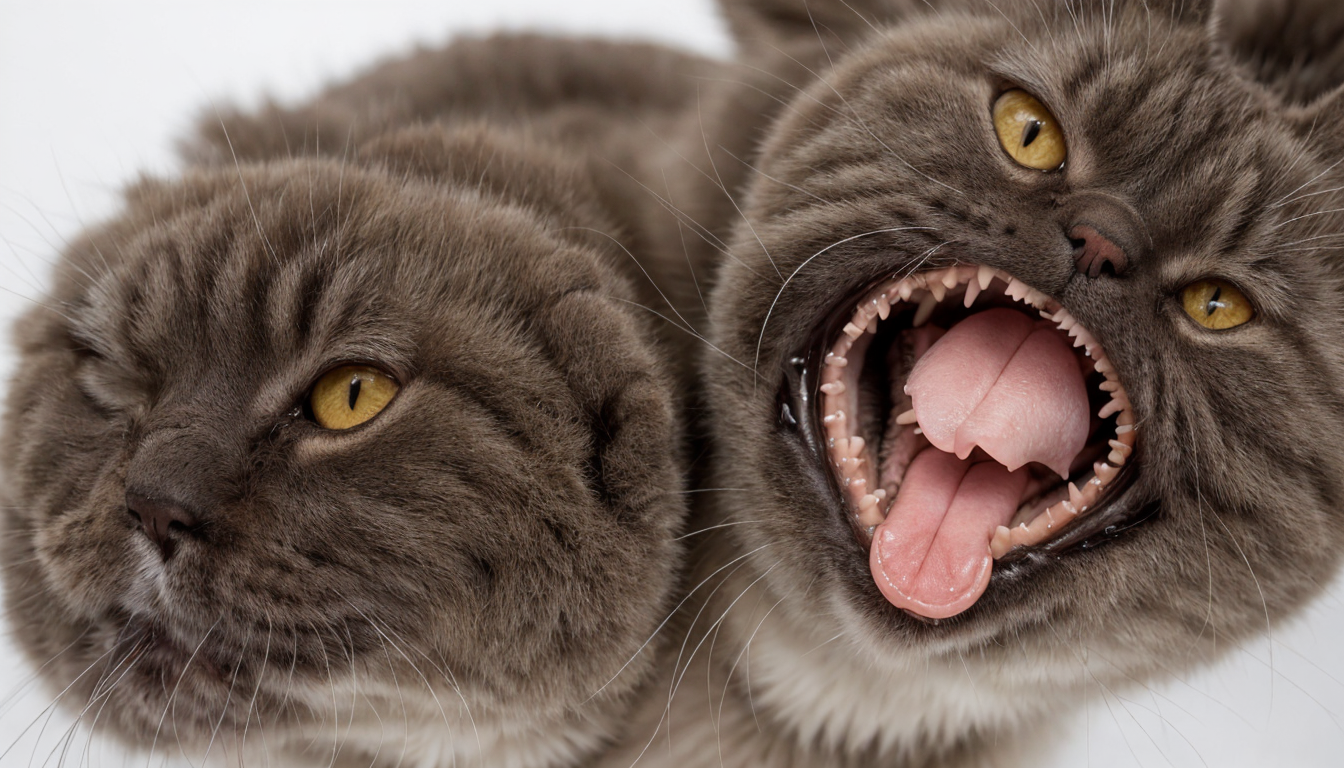
Cats are known for their meticulous self-grooming habits. One of the key tools in this process is their sandpaper-like tongue, which plays an essential role in keeping cats clean and healthy. The texture of a cat’s tongue is not just due to its rough surface but also because it contains specialized structures called papillae.
Papillae: Tiny Spines for Grooming
The most noticeable feature on a cat's tongue is the presence of tiny spines, which are actually small, backward-facing hooks made of keratin. These projections, known as filiform papillae, give the tongue its characteristic roughness and texture. The arrangement of these papillae creates an effective comb-like structure that helps remove loose hair, dirt, and debris from a cat's fur.
Functionality of Papillae
The backward-facing orientation of the papillae serves several purposes during grooming:
- Hair Removal: When cats lick their fur, these tiny spines help to pluck out dead hairs and distribute oils evenly across the coat.
- Dirt Extraction: The rough surface also helps in scraping off dirt particles that get embedded in the fur.
Saliva's Role
In addition to the physical structure of the tongue, saliva plays a crucial role in cat grooming. When cats lick their fur, they spread saliva throughout their coats. This saliva serves multiple functions:
- Temperature Regulation: Cats use licking as a way to cool down by evaporation.
- Wound Healing and Disinfection: Saliva contains enzymes that have antibacterial properties which can help protect against infections.
Historical Perspective on Cat Tongue Research
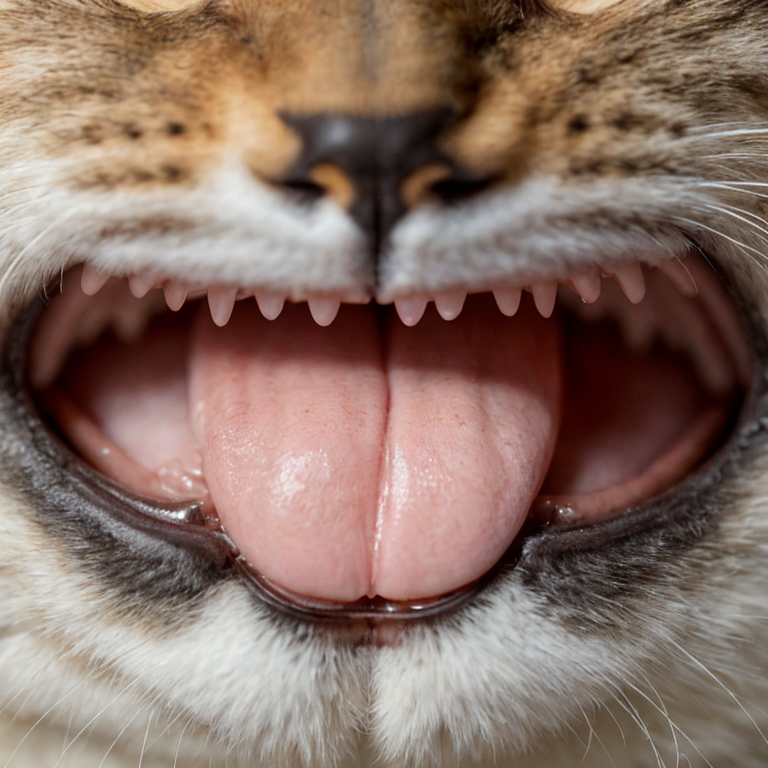
The study of cat anatomy, including the structure and function of their tongues, has been an ongoing area of interest for veterinarians and biologists. Early observations focused primarily on the practical benefits of a rough tongue for cats but over time, more detailed research has uncovered additional functions and mechanisms.
Development of Understanding
Early studies often described the roughness of cat tongues without fully understanding its underlying biological significance. As technology advanced, scientists were able to examine these structures at microscopic levels, revealing the intricate details about filiform papillae and their roles in grooming processes.
Etymology and Cultural Significance
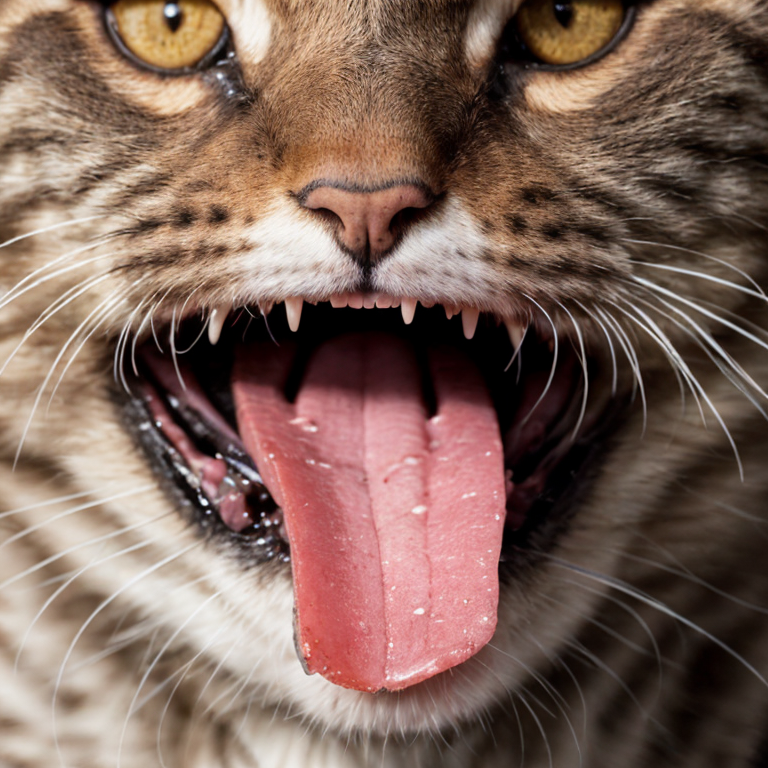
The term "sandpaper tongue" is a descriptive phrase used colloquially to refer to the roughness of cat tongues. This terminology highlights how cats' tongues feel when touched but does not reflect any specific cultural or historical significance beyond everyday observations.
Common Terminology in Veterinary Science
In veterinary circles, the term “grooming apparatus” might be used more formally to describe a cat's tongue and its role in self-care. This term emphasizes the functional aspect of these structures rather than their tactile sensation alone.
Misconceptions About Cat Tongues
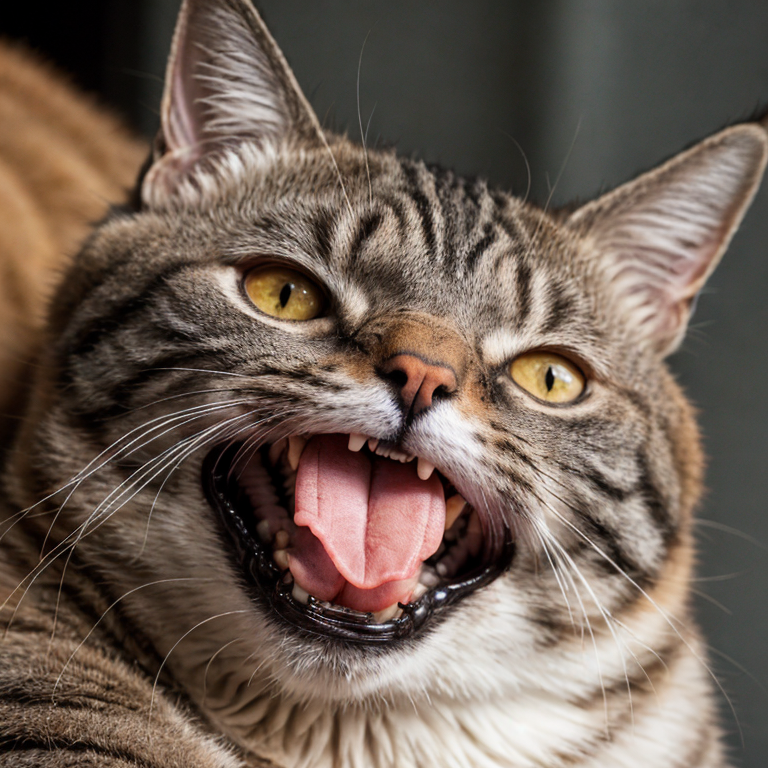
There are several common misconceptions about cat tongues that need clarification:
Myth: Cats Use Their Tongue for Aggression
A widespread myth suggests that cats use their rough tongue as a form of aggression or punishment. In reality, the primary function is grooming and hygiene maintenance rather than causing harm.
Fact: Papillae Are Not Sharp Enough to Cause Injury
Despite feeling abrasive, these tiny spines are not sharp enough to cause injury in normal grooming behavior. They serve purely mechanical purposes related to fur care.
Conclusion
Understanding how a cat's tongue works provides insight into the sophisticated mechanisms employed by felines for self-maintenance and hygiene. The combination of keratin-based papillae and salivary functions creates an efficient system that keeps cats clean, healthy, and comfortable. As research continues, further details about these fascinating biological structures will likely emerge, offering even more appreciation for the complexity behind simple everyday behaviors like grooming in our feline companions.
As an Amazon Associate, The Weird Report earns from qualifying purchases. Product links above are suggestions related to this article; they don't affect what we write.