Crop Circles: Britain's Unsolved Agricultural Art
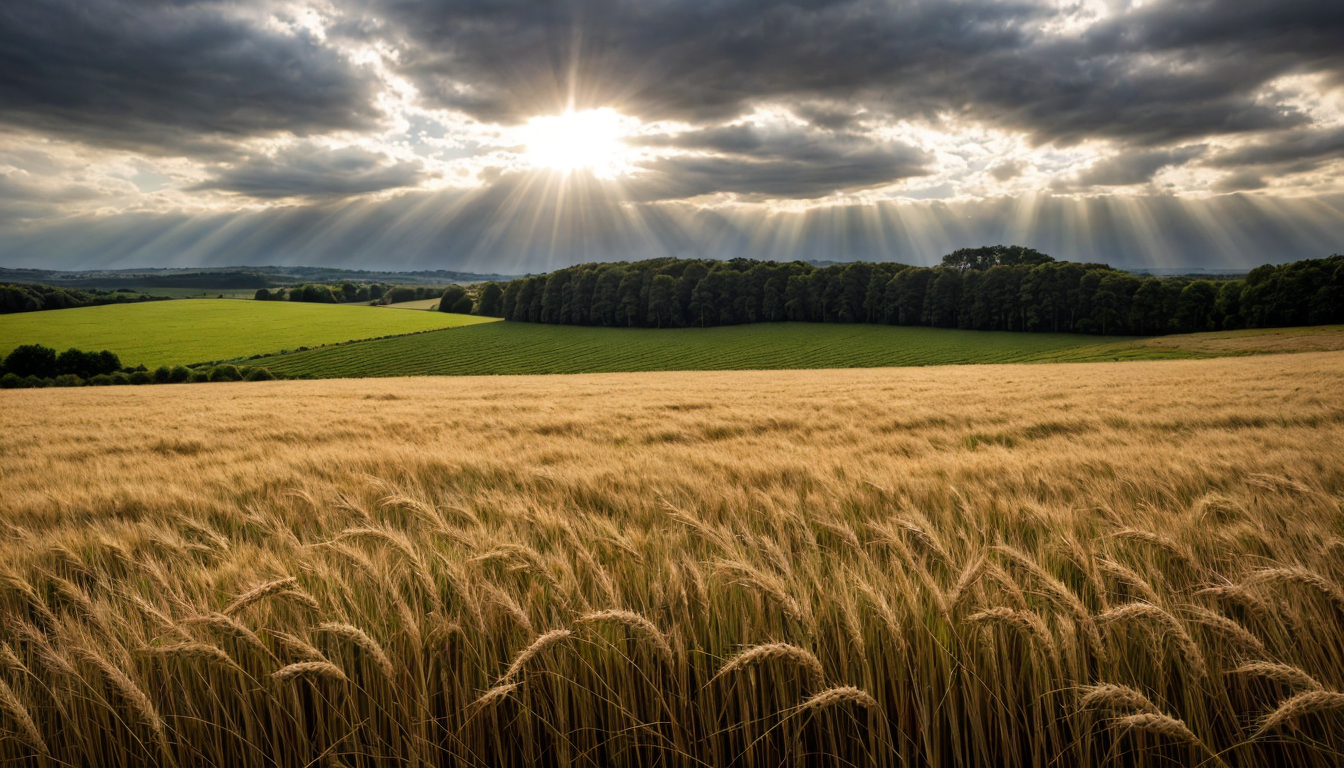
Crop circles have become an enduring mystery and a source of fascination in British agricultural landscapes. Their intricate designs and sudden appearances continue to captivate the public imagination, despite significant scientific research that has largely debunked many supernatural theories.
TL;DR
- Origins: Crop circles began appearing in the 1970s but gained widespread attention in the 1980s.
- Theories: Various explanations range from natural phenomena to human-made art installations.
- Location Focus: Wiltshire, a county rich with ancient sites like Stonehenge and Avebury, is a hotbed for crop circle activity.
- Investigation Efforts: Researchers have documented numerous cases but remain divided on the exact causes of these formations.
- Cultural Impact: Crop circles have influenced art, fashion, and tourism in Britain.
Origins of British Crop Circles
The history of crop circles in Britain can be traced back to the 1970s when farmers first began noticing unusual patterns appearing overnight in their fields. However, it was not until the early 1980s that these formations gained widespread public attention and media coverage.
Early Reports
One of the earliest well-documented instances occurred on August 12, 1976, near Tullyhill in Scotland, where a spiral pattern appeared in barley fields. Similar reports trickled through the following years, but it was not until more elaborate patterns emerged that people started to take notice.
Wiltshire Hotspot
The county of Wiltshire has become synonymous with crop circles due to its high concentration of ancient sites like Stonehenge and Avebury. These areas are often associated with mystical or spiritual significance, which may have contributed to the local folklore surrounding the phenomenon.
Theories Behind Agricultural Art
Natural Phenomena
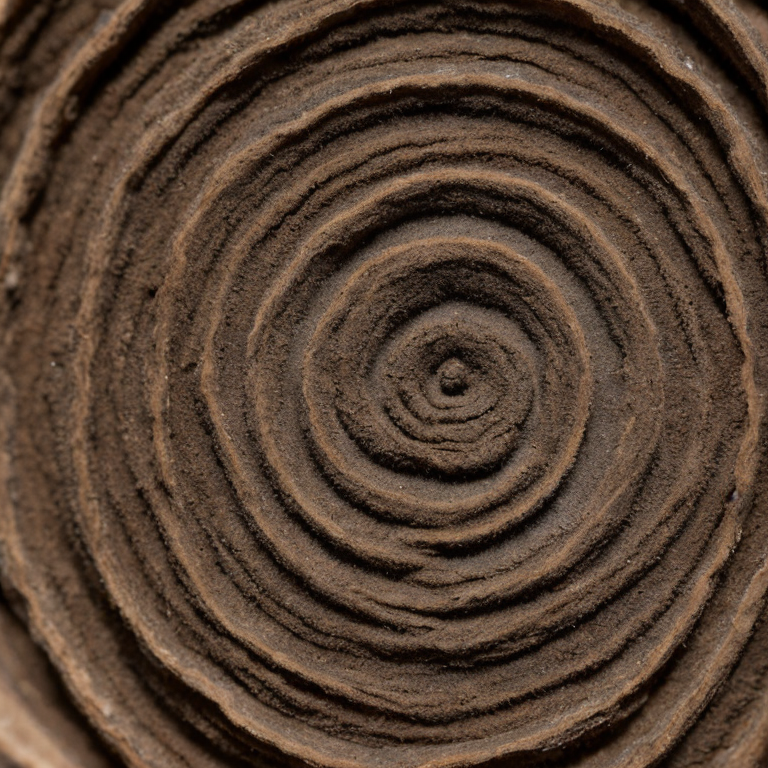
One theory suggests that natural processes such as wind patterns and animal activity could cause crop circles. For instance, strong winds can flatten crops in certain directions, but this explanation fails to account for the complexity and precision of many formations observed over time.
Hoaxes
In 1991, two men named Doug Bower and Dave Chorley admitted to creating some of the earliest crop circle designs as a prank. They used simple tools like planks and ropes to create intricate patterns by flattening crops in a precise manner. Their confession helped shift public opinion towards the idea that many formations could be man-made.
Extraterrestrial Theories
Perhaps the most popular theory among enthusiasts is the extraterrestrial hypothesis, which posits that crop circles are created by aliens as some form of communication or art. This theory gained traction with the media hype surrounding early reports and has since been a staple in UFO lore.
Earth Energies and Sacred Geometry
Another speculative explanation involves the idea that ancient earth energies or ley lines intersecting at certain points create natural alignments conducive to forming crop circles. Some believe these patterns reflect sacred geometry, which is often associated with spiritual practices and symbolism found in various cultures around the world.
Scientific Investigation
Documentation Efforts
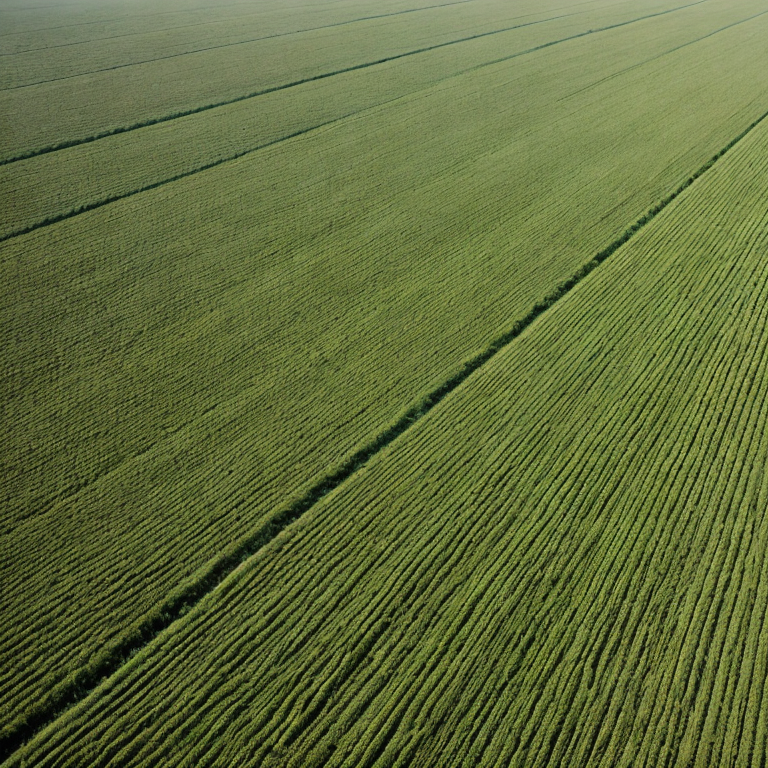
Since the early 1980s, researchers and enthusiasts have documented numerous cases of crop circle formations across Britain. These efforts include taking aerial photographs, collecting physical samples from affected crops, and measuring changes in soil composition.
Skeptical Analysis
Skeptics argue that many of the more complex patterns can be explained by human intervention using basic tools and techniques demonstrated by Bower and Chorley. They point out inconsistencies between reported sightings and actual evidence, such as gaps in witness accounts or lack of supporting photographic documentation.
Scientific Studies
Several scientific studies have been conducted to analyze crop circle formations. These include examining the physical properties of flattened crops compared to undisturbed areas, studying soil composition around formation sites, and analyzing plant biology affected by these patterns. While some results hint at unusual phenomena, many findings align with natural or human-induced explanations.
Cultural Impact
Artistic Inspiration
Crop circles have inspired numerous artists who incorporate these designs into their work, ranging from paintings to sculptures. The intricate nature of the formations has also led to digital recreations and installations in galleries around the world.
Fashion Trends
Fashion designers have drawn inspiration from crop circle patterns for clothing lines and accessories, blending agricultural art with modern fashion trends. This fusion reflects a broader cultural interest in combining traditional elements with contemporary aesthetics.
Tourism Industry
The allure of crop circles has boosted tourism in areas like Wiltshire, where visitors come to witness these formations firsthand or participate in guided tours focusing on the history and mystery behind them. Local businesses have capitalized on this trend by offering specialized services related to crop circle exploration and education.
Misconceptions
Myth: All Crop Circles Are Hoaxes
While many modern crop circles are indeed created as pranks or art installations, others remain unexplained despite extensive investigation. This misconception oversimplifies the complexity of the phenomenon and overlooks potential natural causes or undiscovered human activities contributing to these patterns.
Myth: Crop Circles Are Proof of Alien Activity
Despite widespread belief among some enthusiasts, there is currently no scientific evidence supporting an extraterrestrial origin for crop circles. Theories proposing alien involvement are largely based on anecdotal reports rather than empirical data.
Conclusion
Crop circles in Britain continue to be a source of intrigue and debate among researchers, enthusiasts, and the general public alike. While modern hoaxes have shed light on how some formations can be created with simple tools, many complex patterns remain unexplained by natural or human-made causes alone. The cultural impact of these mysterious agricultural art pieces is undeniable, influencing various aspects of society from fashion to tourism. As research continues, it remains an open question whether all crop circles will eventually find a logical explanation or if some will forever retain their enigmatic status in British folklore.