Why Glowing Mushrooms Light Up Forest Floors
Glowing mushrooms are a captivating natural phenomenon that has fascinated humans for centuries. These luminous fungi light up dark forest floors with an eerie yet enchanting glow, drawing attention to their unique properties and ecological roles.
TL;DR
- Bioluminescent fungi emit light through chemical reactions within the mushroom's cells.
- They can be found in various parts of the world but are most prevalent in tropical regions.
- The primary purpose behind bioluminescence is likely to attract nocturnal animals that help disperse spores.
- Many cultures have myths and legends surrounding these glowing organisms, often associating them with supernatural events or spirits.
Understanding Bioluminescent Fungi
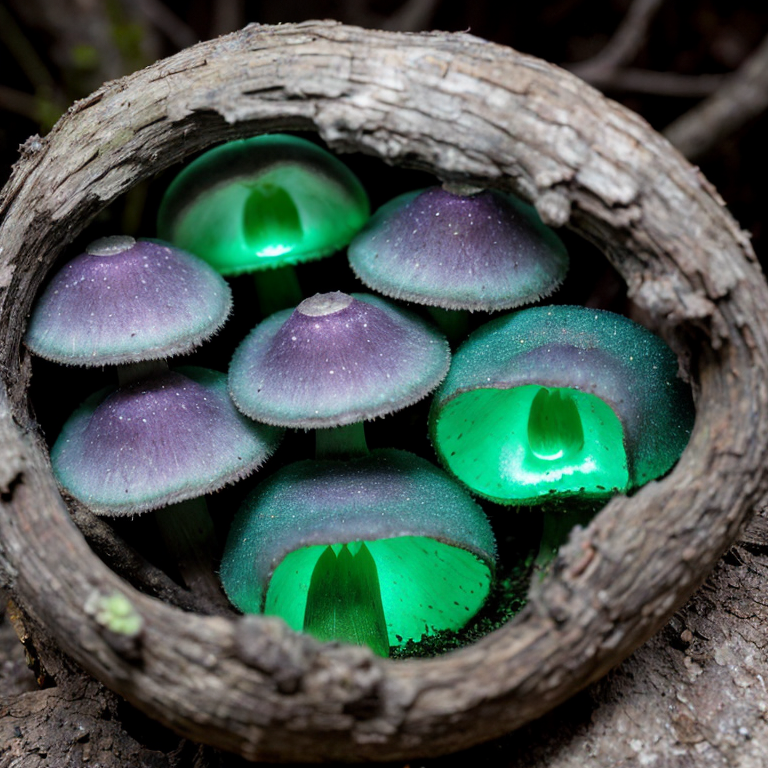
Bioluminescent fungi are a subset of mushrooms capable of producing light through chemical reactions within their cells. This process is similar to how fireflies emit light but occurs in different cellular structures called photobodies. The light-producing reaction involves the enzyme luciferase, which catalyzes the oxidation of a substrate known as luciferin, generating energy in the form of light.
Chemical Basis
The bioluminescence in fungi is primarily driven by two key molecules: luciferase and luciferin. Luciferase acts as an oxidizing agent that converts luciferin into an excited state, releasing photons in the process. The wavelength (color) of emitted light varies depending on the type of fungus and its environmental conditions.
Evolutionary Perspective
While the exact evolutionary pathway is still under debate, scientists believe bioluminescence in fungi may have evolved as a means to compete with other spore-dispersing mechanisms or to signal potential dispersers. Some theories suggest that early forms of luminescent fungi used their glow to mimic toxic organisms, thereby deterring predators and ensuring survival.
Historical Observations
The fascination with glowing mushrooms dates back thousands of years, documented in various cultures around the world. Early observations often led to myths and superstitions, but as scientific methods advanced, researchers began studying these phenomena more rigorously.
Ancient Records
Ancient civilizations such as the Greeks and Romans noted strange lights emanating from certain plants and fungi in their writings. Pliny the Elder, a Roman naturalist, documented several species of luminous fungi, noting that they often appeared after rain or during moonless nights.
Modern Scientific Studies
In the 20th century, scientific interest grew significantly as researchers sought to understand the biochemical processes behind bioluminescence. Early studies focused on isolating and identifying the compounds responsible for light production, laying the groundwork for further research into fungal biology.
Etymology and Cultural Significance
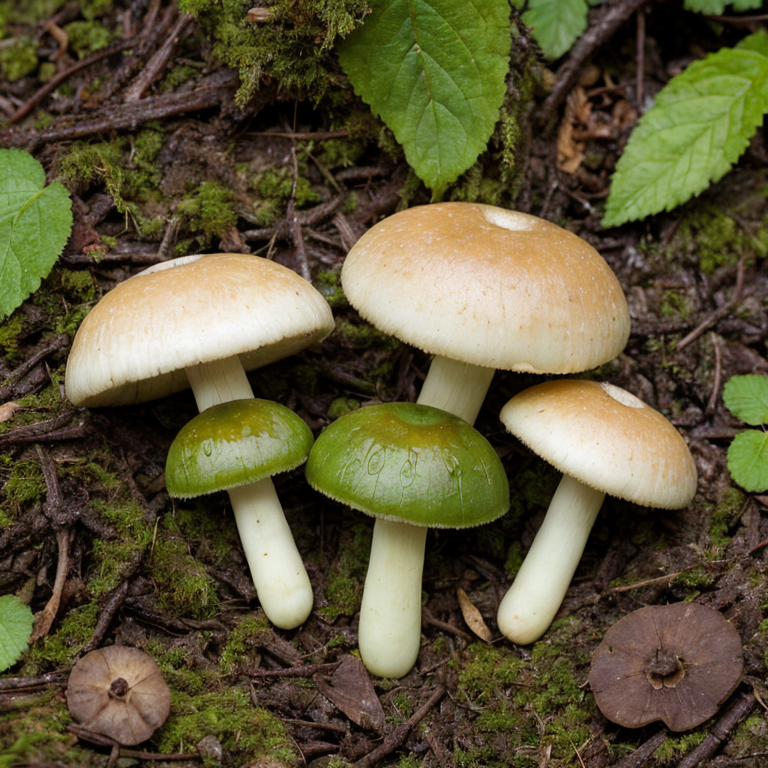
The term "bioluminescent" comes from combining the Latin words bio (life) and lumen (light), reflecting the organic origin of this phenomenon. The study of bioluminescence in fungi has not only expanded our understanding of these organisms but also influenced various cultural narratives.
Naming Conventions
Many species of luminous mushrooms are named based on their appearance or habitat. For example, Armillaria ostoyae, commonly known as the honey mushroom, emits a faint green glow under certain conditions. Similarly, the "foxfire" phenomenon observed in North America was attributed to various bioluminescent fungi.
Cultural Myths
Throughout history, glowing mushrooms have inspired numerous myths and legends. In some cultures, they are associated with spirits or ghosts, while others believe them to be omens of impending natural disasters. These stories highlight the deep-rooted human fascination with these mysterious organisms.
Ecological Role
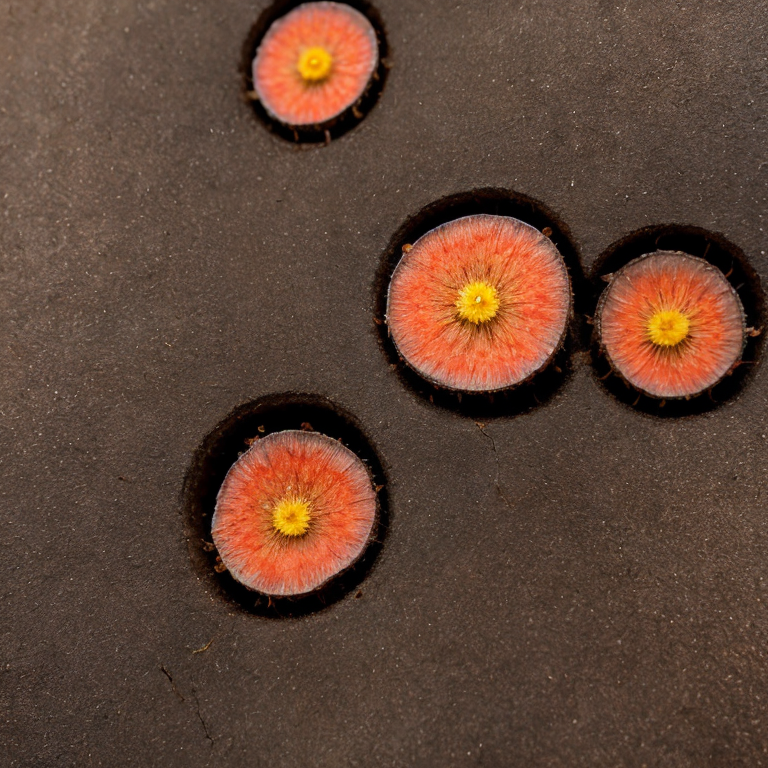
Glowing fungi play significant roles in their ecosystems, particularly in nutrient cycling and spore dispersal. Their bioluminescence can serve multiple purposes, enhancing survival strategies and influencing interactions within forest communities.
Spore Dispersal Mechanisms
One of the primary functions of bioluminescent mushrooms is to attract nocturnal animals that aid in spore dispersal. The light emitted by these fungi acts as a beacon for insects and small mammals, drawing them closer and increasing the likelihood of spore transport over greater distances.
Nutrient Cycling
In addition to their role in spore dispersal, bioluminescent fungi contribute significantly to nutrient cycling within forest ecosystems. By breaking down dead organic matter, they release essential nutrients back into the soil, supporting plant growth and biodiversity.
Misconceptions and Myths
Despite extensive research, several misconceptions persist about luminous mushrooms, often stemming from folklore or lack of scientific understanding. It is crucial to distinguish between fact and fiction when discussing these fascinating organisms.
Myth: Toxicity and Poisoning
There is a widespread belief that all bioluminescent fungi are toxic or poisonous, leading some individuals to avoid them entirely. While certain species can indeed be harmful if ingested, many others are safe for consumption in small quantities under expert guidance.
Reality Check: Ecological Balance
Another common misconception involves the idea that glowing mushrooms disrupt ecological balance by overwhelming other spore dispersal methods. In reality, bioluminescent fungi coexist with a variety of spore-dispersing mechanisms, each playing unique roles within their respective ecosystems.
Conclusion
Glowing mushrooms remain one of nature's most intriguing mysteries, captivating scientists and laypeople alike with their ethereal beauty and enigmatic properties. Through continued research and observation, we can better understand the ecological significance of these luminous organisms and appreciate them as vital components of our planet’s biodiversity.
As an Amazon Associate, The Weird Report earns from qualifying purchases. Product links above are suggestions related to this article; they don't affect what we write.