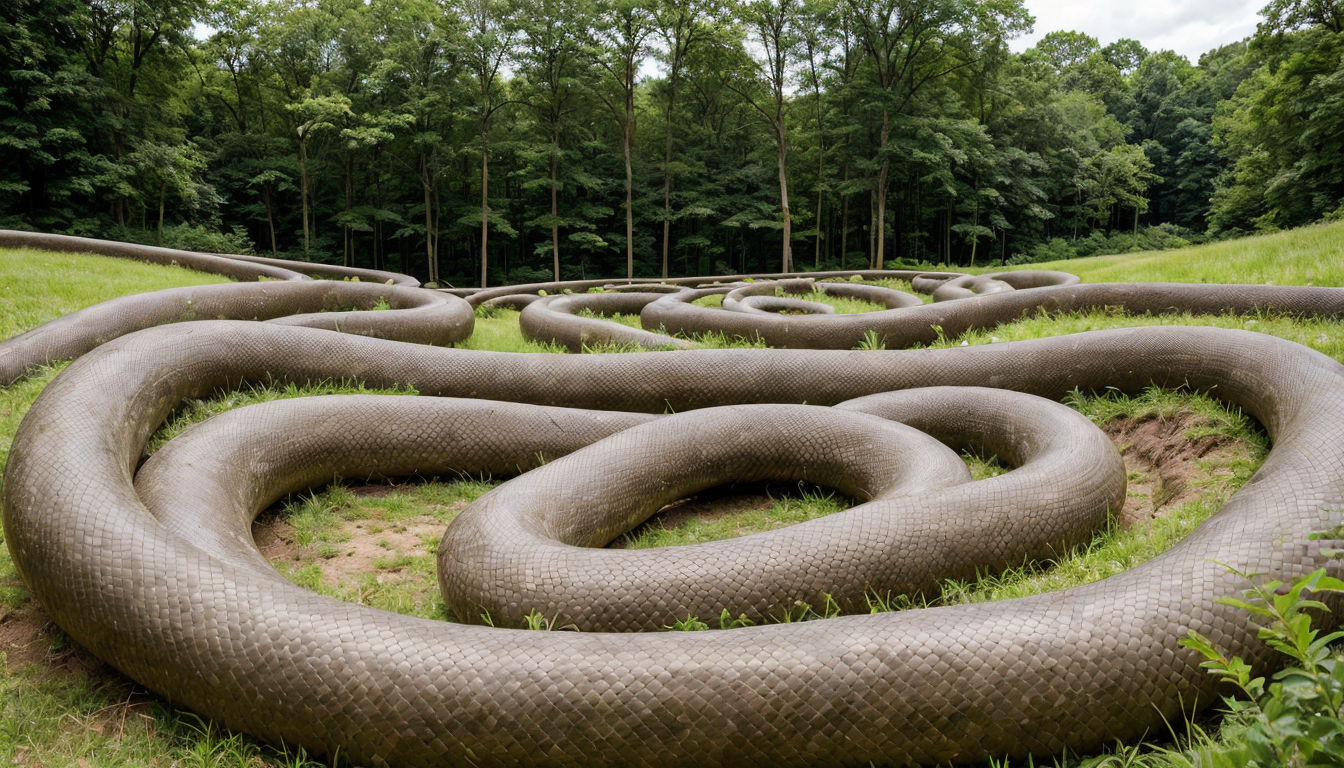
Why Is Ohio's Serpent Mound Shrouded in Mystery?
TL;DR:
- Origins: The Great Serpent Mound was constructed by the Fort Ancient Culture around 1070 CE.
- Location and Size: It is located in Adams County, Ohio, and measures approximately 1,348 feet (411 meters) long and ranges from 2 to 55 feet (0.6 to 16.8 meters) wide.
- Archaeological Significance: The mound contains no burial artifacts or remains, distinguishing it from other ancient earthworks in the region.
- Cultural Value: It is a significant site for Native American cultural studies and has been designated as a National Historic Landmark.
- Tourism Impact: Serpent Mound attracts visitors interested in archaeology, prehistory, and Native American culture.
Origins of the Great Serpent Mound
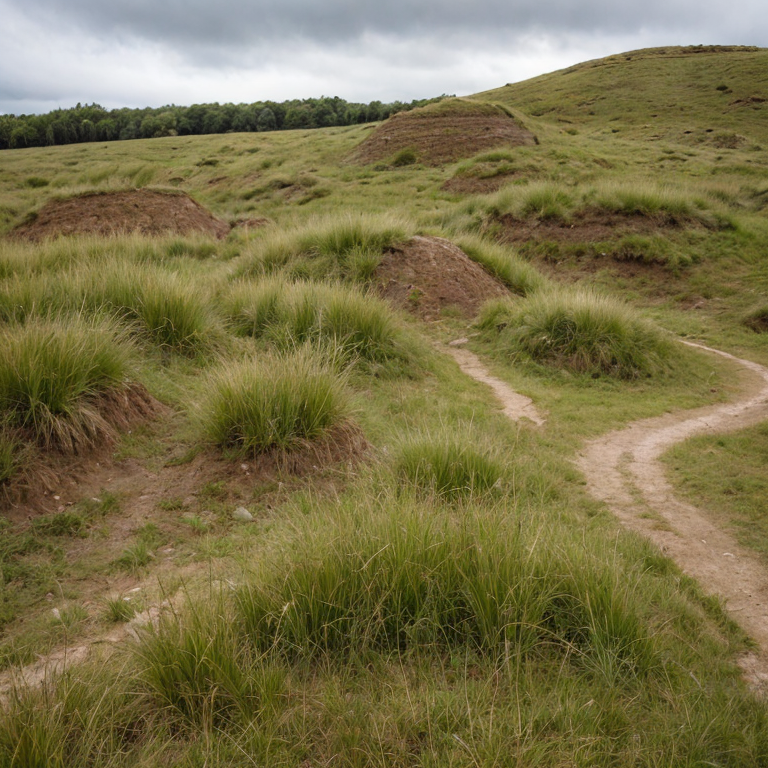
The Great Serpent Mound, also known simply as Serpent Mound, is an ancient earthen effigy located in Adams County, Ohio. It was constructed by the Fort Ancient Culture, a group of indigenous peoples who lived in the eastern woodlands from approximately 1000 to 1650 CE. The mound dates back to around 1070 CE, making it over a millennium old.
The Serpent Mound's construction is believed to have involved significant labor and planning, suggesting that its builders possessed advanced knowledge of engineering and geometry. This intricate design indicates the importance of the structure within Fort Ancient society.
Historical Context and Legends
Early Exploration and Preservation Efforts
In 1847, Edwin Hamilton Davis, an American archaeologist, was one of the first to document the Serpent Mound. He published his findings in the book "Notes on the Antiquities of Ohio." Subsequent exploration by Ephraim Squier and Edwin Davis led to further documentation and interest among scholars.
The site gained significant attention in 1865 when Frederic Ward Putnam, an anthropologist from Harvard University, conducted excavations. His work was instrumental in preserving the mound from destruction due to quarrying activities that threatened its existence.
Mound Builders' Legacy
The Fort Ancient Culture is part of a broader group known as the "Mound Builders," who constructed numerous earthworks across the eastern United States during prehistoric times. These structures served various purposes, including ceremonial and burial sites. However, unlike many other mounds in Ohio, Serpent Mound does not contain any burial artifacts or remains.
Archaeological Significance
Construction Techniques
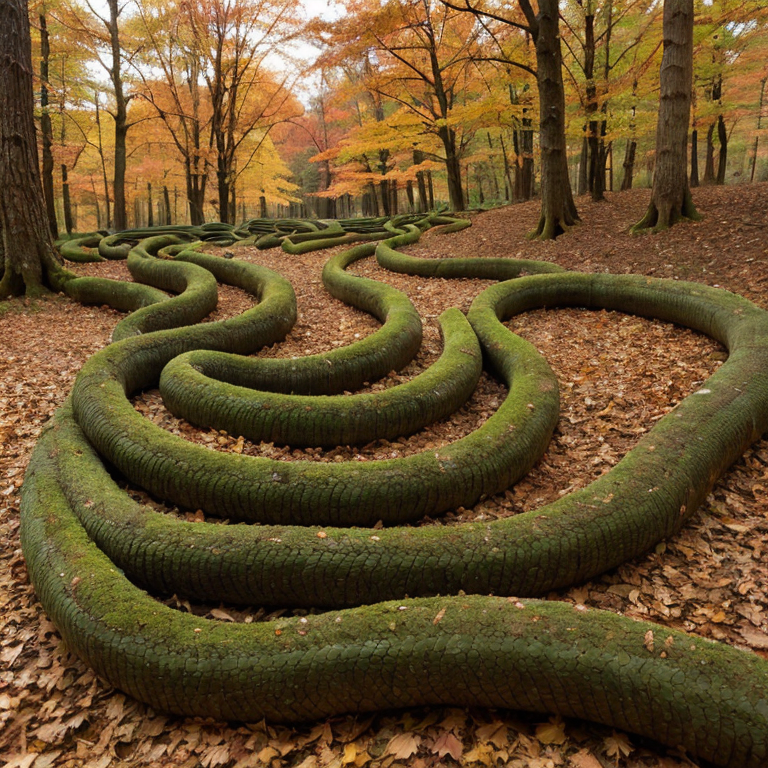
Serpent Mound is an earthen effigy that follows the contours of a snake winding through hillsides. The construction involved piling up soil to create the sinuous form, which requires precise engineering and labor organization. This technique demonstrates advanced knowledge of geometry and spatial awareness.
Archaeologists have studied the mound's composition to understand its purpose and cultural significance. Unlike burial mounds that often contain human remains or artifacts, Serpent Mound lacks such features, indicating it served a different function.
Astrological Alignments
One theory suggests that Serpent Mound may be aligned with astronomical events, similar to other ancient monuments worldwide. For instance, the head of the serpent aligns with the summer solstice sunset, and its coils could mark celestial alignments throughout the year. This alignment indicates a possible ceremonial or calendrical purpose.
Cultural Value
Native American Influence
Serpent Mound is deeply rooted in Native American culture, particularly for indigenous groups who lived in Ohio before European settlement. It represents an important cultural heritage site that provides insights into prehistoric societies and their beliefs about the natural world.
The mound's design reflects a profound understanding of nature and spirituality, which continues to resonate with modern-day Native Americans. Many tribes consider it sacred ground, preserving traditions and stories passed down through generations.
Tourism Impact
Today, Serpent Mound is a popular tourist destination, attracting visitors interested in archaeology, prehistory, and Native American culture. The site offers educational programs, guided tours, and exhibits that enhance understanding of the mound's historical context and cultural significance.
Misconceptions
Alien Origins Theory
One common misconception about Serpent Mound is that it was built by extraterrestrial beings due to its precise construction and alignment with celestial events. However, archaeological evidence supports a human origin for the structure, reflecting indigenous engineering skills rather than alien intervention.
Burial Site Fallacy
Another prevalent belief is that Serpent Mound served as a burial ground similar to other mounds in Ohio. In reality, excavations have revealed no human remains or grave goods, distinguishing it from typical mound construction practices.
Conclusion
The Great Serpent Mound stands as an enduring enigma in the landscape of North American prehistory, offering insights into ancient cultures and their relationship with nature. Its unique design, historical context, and ongoing cultural significance make it a vital site for archaeological research and public education. Despite lingering mysteries surrounding its exact purpose, Serpent Mound remains a testament to human ingenuity and cultural heritage.
As an Amazon Associate, The Weird Report earns from qualifying purchases. Product links above are suggestions related to this article; they don't affect what we write.