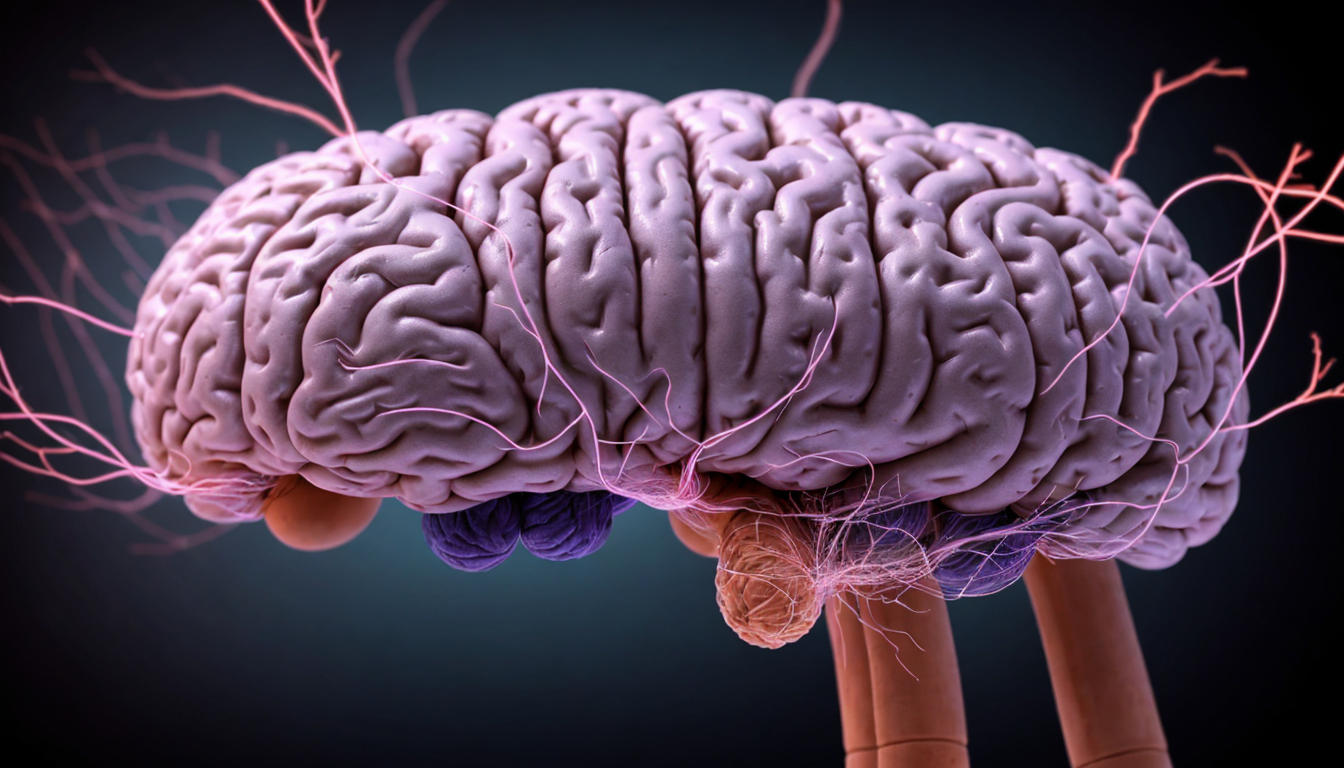
Why Some People Never Dream: The Hidden Reason
Dreams are a common phenomenon experienced by most individuals during sleep. However, there is a subset of people who never dream or rarely do so. This article explores the reasons behind why certain individuals experience dreamless nights and what it means for their overall health.
TL;DR

- REM Sleep Disruption: Lack of dreams often correlates with interruptions in REM (Rapid Eye Movement) sleep.
- Psychological Factors: Stress, anxiety, and depression can suppress dreaming.
- Medication Influence: Certain medications inhibit dream recall or occurrence.
- Sleep Disorders: Conditions like narcolepsy can affect the ability to remember dreams.
- Genetic Predisposition: Some individuals may have a genetic makeup that reduces their likelihood of dreaming.
The Science Behind Dreamless Nights

Understanding REM Sleep
REM sleep is a critical stage in the sleep cycle where most vivid dreaming occurs. During this phase, brain activity increases significantly while muscle tone decreases. This combination allows for active mental processes but prevents physical movements, which could otherwise be dangerous during dream scenarios.
Key Characteristics of REM Sleep
- Increased Brain Activity: The brain becomes highly active during REM, similar to when one is awake.
- Muscle Atrophy (Atonia): Muscles become temporarily paralyzed to prevent acting out dreams.
- Vivid Imagery and Emotions: Dream content often features intense visual scenes and emotional experiences.
Why Dreams Occur During REM Sleep
Dreams are thought to be a byproduct of the brain's processing during sleep. Theories suggest that they help consolidate memories, process emotions, and integrate new information into existing knowledge structures. When this stage is disrupted or shortened due to various factors, dreams may not occur or be forgotten upon waking.
Theories Behind Dream Function
- Memory Consolidation: Dreams might play a role in strengthening memory connections.
- Emotional Regulation: They could help manage and process emotional experiences during the day.
- Cognitive Processing: Dreams assist in problem-solving by reorganizing thoughts.
Historical and Cultural Perspectives

Early Theories About Dreaming
The concept of dreaming has been explored throughout history, from ancient civilizations to modern scientific research. Early thinkers like Aristotle believed dreams were a form of divination or prophecy, while later philosophers such as Freud and Jung proposed psychoanalytic theories about the unconscious mind.
Notable Figures in Sleep Research
- Sigmund Freud: Proposed that dreams are manifestations of repressed desires.
- Carl Gustav Jung: Introduced archetypes and collective unconscious into dream analysis.
- William Dement: Conducted pioneering studies on REM sleep in the 1950s.
Cultural Beliefs About Dreamlessness
Different cultures have varying beliefs about why some people do not dream. In some societies, lack of dreaming is seen as a sign of poor health or spiritual imbalance, while others view it more neutrally as an individual variation with no inherent significance.
Cross-Cultural Interpretations
- Ancient Greece: Believed that dreams were messages from the gods.
- Native American Tribes: Dream catchers were used to filter out bad dreams.
- Chinese Culture: Associated dreaming heavily with yin and yang balance in life.
Psychological Factors Influencing Dreams

Stress and Anxiety
High levels of stress and anxiety can disrupt sleep patterns, particularly affecting REM sleep. When the brain is preoccupied with daily worries or traumatic events, it may not have the necessary downtime to generate dreams effectively.
Impact on Sleep Quality
- Increased Waking Moments: Frequent awakenings during the night reduce deep sleep stages.
- Reduced REM Duration: Stress hormones like cortisol can shorten REM periods.
Depression and Its Effects
Depression often involves altered circadian rhythms, leading to irregularities in sleeping patterns. Individuals with depression may experience fewer hours of REM sleep, resulting in less dream recall or occurrence.
Changes in Sleep Architecture
- Shifts in Sleep Stages: Depression tends to flatten the normal peaks and troughs seen across different stages.
- Sleep Fragmentation: More frequent waking episodes contribute to fragmented sleep cycles.
Medications Affecting Dreams
Certain medications, especially those used for treating mental health conditions like depression or anxiety, can interfere with dream processes. These drugs may suppress REM sleep either directly by altering neurotransmitter levels or indirectly through other mechanisms that impact the brain's ability to generate dreams.
Common Culprits
- SSRIs (Selective Serotonin Reuptake Inhibitors): Often used for treating depression and anxiety.
- Antipsychotics: Used in severe cases of mental illness, can also affect sleep architecture.
- Sedatives/Hypnotics: Prescribed for insomnia but may inhibit REM stages.
Sleep Disorders Causing Dreamlessness
Narcolepsy
Narcolepsy is a neurological disorder characterized by excessive daytime sleepiness and sudden attacks of sleep. People with narcolepsy often experience fragmented nighttime sleep, which can reduce the amount of time spent in REM stage.
Symptoms and Diagnosis
- Excessive Daytime Sleepiness (EDS): Persistent feeling of drowsiness during waking hours.
- Cataplexy: Sudden loss of muscle tone triggered by strong emotions.
- Hypnagogic Hallucinations: Vivid, dream-like experiences while falling asleep.
Insomnia
Chronic insomnia affects one's ability to fall and stay asleep. While it doesn't directly prevent dreaming, the overall disruption in sleep patterns can lead to fewer hours of REM stage, thereby reducing opportunities for dreams to occur.
Types of Insomnia
- Transient: Short-term episodes usually lasting less than a week.
- Acute: Longer duration up to several months but still temporary.
- Chronic: Persistent condition lasting longer than six months.
Sleep Apnea
Sleep apnea involves pauses in breathing during sleep, leading to frequent awakenings and poor quality of rest. This fragmentation can prevent the brain from entering or staying in REM stage long enough for dreams to form.
Common Symptoms
- Loud Snoring: A hallmark sign often noticed by bed partners.
- Waking Up Gasping or Choking: Indicates a struggle for breath during pauses.
- Daytime Fatigue: Persistent tiredness despite adequate sleep hours.
Genetic and Biological Factors
Genetic Predisposition
Research suggests that genetics may play a role in determining an individual's likelihood of experiencing dreams. Certain genetic variations could influence neurotransmitter levels or brain structures involved in generating dream content, making some people naturally less prone to dreaming.
Studies on Dreamlessness
- Family History: A study found higher rates of non-dreaming among family members.
- Brain Imaging Techniques: Revealed differences in neural pathways linked to sleep and dreams.
Neurological Differences
Individuals who do not dream may exhibit subtle neurological variations that affect their brain's ability to generate vivid mental imagery during REM stage. This could involve altered activity patterns or connectivity within specific regions associated with memory consolidation, emotional processing, and cognitive function.
Key Brain Regions Involved
- Hippocampus: Crucial for forming new memories.
- Amygdala: Central in processing emotions.
- Prefrontal Cortex: Important for decision-making and problem-solving.
Misconceptions About Dreamlessness
Myth: Lack of Dreams Indicates Poor Mental Health
While stress, anxiety, and depression can indeed disrupt dream formation, the absence of dreams does not necessarily equate to poor mental health. Some individuals naturally have less active REM sleep without any underlying psychological issues.
Reality Check
- Individual Variation: Everyone's brain operates uniquely.
- No Universal Standard: Dreaming frequency varies widely among healthy people.
Myth: Not Dreaming Is Dangerous for Physical Health
There is no scientific evidence linking lack of dreams to increased risk of physical ailments. While REM sleep plays a role in physiological processes like immune function and hormonal regulation, its absence alone does not pose direct health risks.
Scientific Perspective
- REM Sleep vs. Overall Health: Other aspects of sleep quality are more predictive of bodily well-being.
- No Correlation Proven: Studies have yet to establish causal links between dreamlessness and physical conditions.
Myth: Dreaming Is Essential for Memory Consolidation
While REM sleep is important for memory consolidation, the act of dreaming itself is not strictly necessary. The brain can still process memories during non-dreaming phases of sleep through other mechanisms that do not require vivid mental imagery.
Alternative Mechanisms
- Slow-Wave Sleep (SWS): Critical period for consolidating declarative and procedural memories.
- Neuronal Plasticity: Refers to the brain's ability to reorganize itself by forming new neural connections, which can occur independently of dreaming.
Conclusion
Understanding why some people never dream involves examining various factors including disrupted REM sleep, psychological conditions, medication use, sleep disorders, genetic predisposition, and neurological differences. While lack of dreams might be concerning due to its association with poor mental health or fragmented sleep patterns, it does not inherently indicate danger for physical well-being. Continued research is necessary to further elucidate the complex interplay between dreaming, brain function, and overall health.