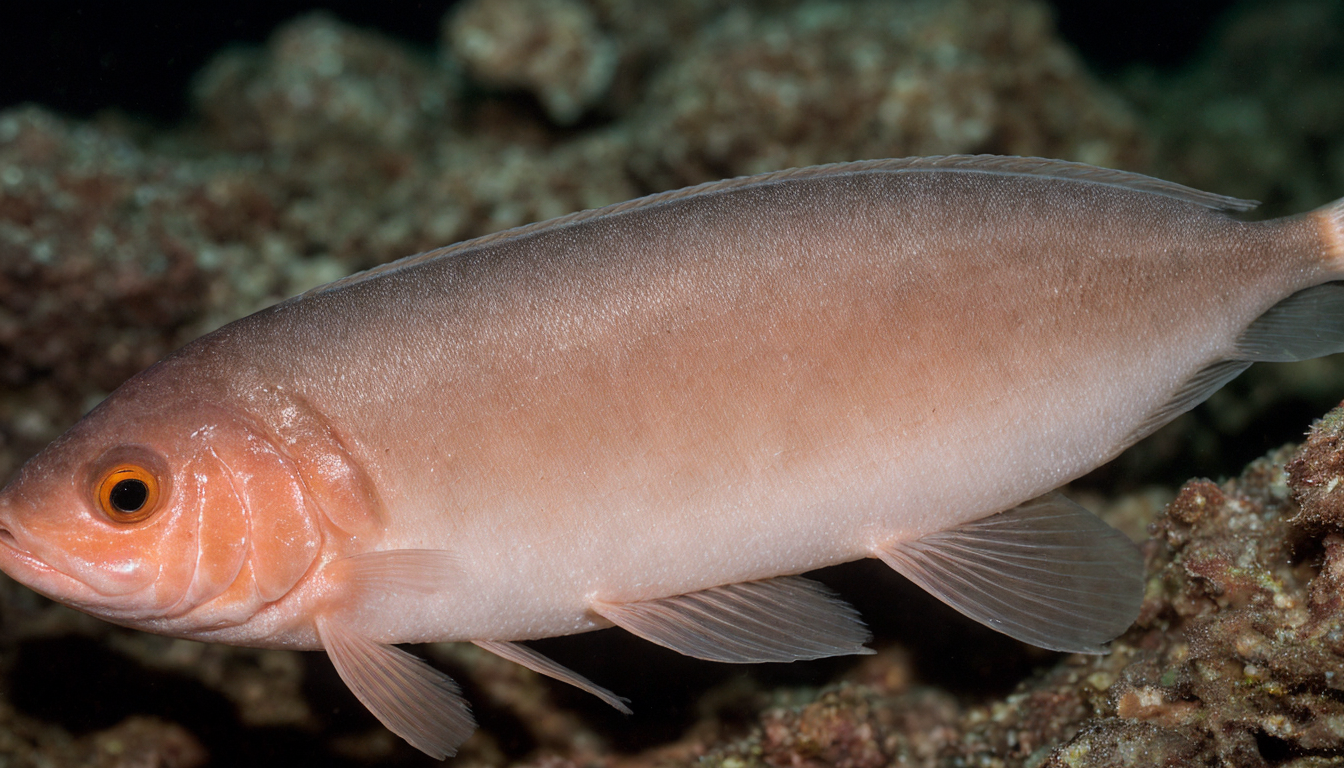
How Blind Cavefish Survived Total Darkness
TL;DR
- Blind cavefish have evolved to live in complete darkness.
- These fish lack eyes and pigmentation due to their subterranean habitat.
- They use specialized sensory organs to navigate and find food in the dark.
- Genetic studies reveal unique mutations that enable survival without light.
- Blind cavefish populations are threatened by human activities.
The Evolutionary Adaptation of Blind Cavefish
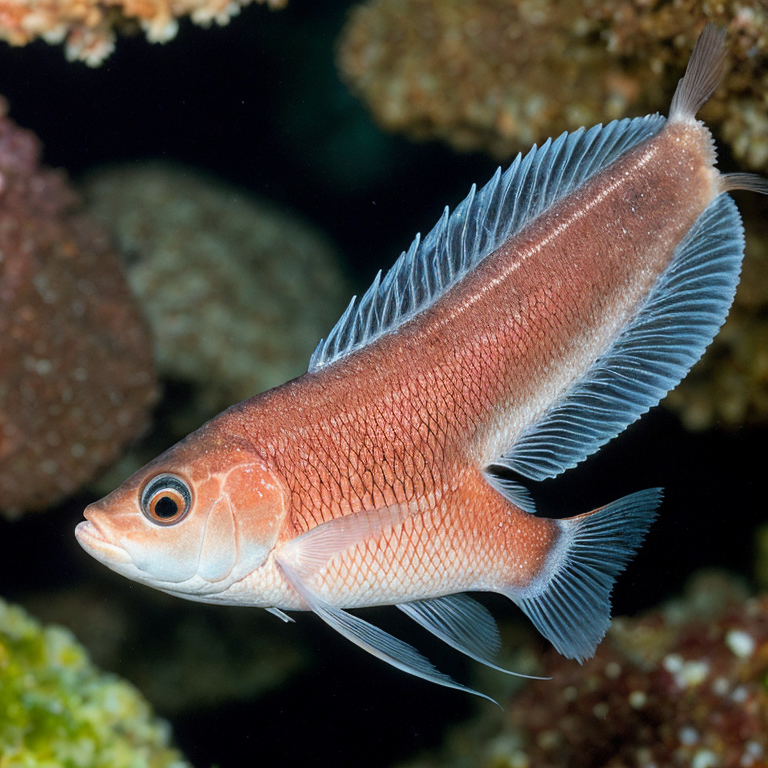
Blind cavefish, scientifically known as Astyanax mexicanus, represent one of nature's most fascinating evolutionary adaptations. These fish have undergone significant changes to survive in the extreme conditions of underground caves where light is absent and food is scarce. Over thousands of years, blind cavefish have evolved unique traits that allow them to thrive in these challenging environments.
Loss of Eyesight
One of the most striking features of blind cavefish is their lack of eyes. In surface-dwelling populations of Astyanax mexicanus, eyes are well-developed and functional. However, when they venture into underground caves, natural selection favors individuals that can survive without vision. Over generations, mutations have led to the loss of eye structures in cave-adapted fish.
Pigmentation Loss
In addition to losing their eyesight, blind cavefish also lack pigmentation. Surface-dwelling populations exhibit vibrant colors and patterns, which are useful for camouflage and communication. In contrast, cave-dwelling populations appear pale or almost transparent due to the absence of pigment-producing cells (melanocytes). This adaptation reduces energy expenditure in an environment where there is no need for visual signaling.
Specialized Sensory Organs
To compensate for their lack of vision, blind cavefish have developed highly sensitive sensory organs that allow them to navigate and find food in total darkness. These adaptations include:
Dorsal Lateral Line System
The lateral line system runs along the sides of a fish's body and is used to detect water pressure changes and vibrations. In blind cavefish, this system is particularly well-developed, allowing them to sense even slight movements of prey or obstacles in their environment.
Chemoreceptors
Blind cavefish have an enhanced chemical sensing ability that enables them to detect the presence of food or other fish through taste buds and olfactory receptors. This heightened sensitivity allows them to locate food sources efficiently despite the absence of visual cues.
Mechanosensory Barbel Whiskers
These are highly sensitive whisker-like appendages near the mouth, which help the blind cavefish to feel their way around in dark environments. The barbels can detect the slightest changes in water currents and texture, making it easier for them to find food and avoid predators.
Genetic Basis of Adaptation
Research into the genetic makeup of blind cavefish has revealed several unique mutations that contribute to their ability to survive without light. Scientists have identified genes responsible for eye development and pigmentation, which are either deactivated or altered in cave-adapted populations. Additionally, studies have shown that these fish possess enhanced neural pathways related to sensory perception, enabling them to process information from their specialized sensory organs more effectively.
Comparative Genomics
Comparative genomics between surface-dwelling Astyanax mexicanus and their blind cave counterparts reveal significant differences in gene expression patterns. These variations suggest that the evolutionary pressures of living in dark environments have led to genetic changes that optimize survival under such conditions.
Historical Context and Discovery

The discovery of blind cavefish dates back to the early 20th century when explorers first encountered these unusual creatures deep within caves in Mexico. Initially, their appearance was perplexing, as they seemed to defy conventional notions about fish anatomy and behavior. Over time, scientists began to study these animals more closely, leading to a greater understanding of how they evolved from surface-dwelling ancestors.
Early Exploration
In the 1920s, researchers like Charles Eigenmann documented the first known populations of blind cavefish in Mexico's Cueva del Azufre. These initial observations sparked interest among scientists who sought to understand why these fish had adapted so uniquely for life underground.
Modern Research
Today, ongoing research continues to uncover new insights into the biology and genetics of blind cavefish. Scientists use advanced techniques such as genome sequencing and molecular biology to study how these animals have evolved over time in response to their dark habitats.
Cultural Significance
Blind cavefish hold cultural significance for some communities near their natural habitat. Local folklore often includes stories about strange creatures found deep within caves, which may be inspired by encounters with blind cavefish. Additionally, the unique adaptations of these fish make them a subject of scientific curiosity and educational interest worldwide.
Folklore
In regions where blind cavefish are found, local legends sometimes describe mysterious beings living in dark underground realms. These tales can reflect ancient knowledge about subterranean ecosystems and serve as cautionary warnings against exploring dangerous caves.
Tourism and Education
Blind cavefish attract visitors interested in unusual natural phenomena and evolutionary biology. Guided tours of cave systems where these fish live provide opportunities for both recreation and learning, highlighting the importance of conservation efforts to protect these unique creatures from human impacts.
Misconceptions About Blind Cavefish
Despite extensive research into blind cavefish, several misconceptions persist about their biology and ecology:
Myth: All Fish in Dark Caves Are Blind
Not all fish living in dark caves are necessarily blind. Some species maintain functional eyesight but have adapted other sensory systems to navigate effectively in low-light conditions.
Myth: Cave Adaptation Occurs Quickly
Evolutionary adaptations like those seen in blind cavefish take place over many generations and thousands of years, not within a single lifetime or even a few decades.
Myth: Blind Cavefish Are Unicellular Organisms
Blind cavefish are complex multicellular organisms with specialized organs for sensing their environment. While they lack eyes, they possess highly developed sensory systems that allow them to survive in dark conditions.
Conclusion
The evolution of blind cavefish represents one of nature's most intriguing examples of adaptation to extreme environments. By losing functional eyesight and pigmentation while developing enhanced sensory capabilities, these fish have successfully colonized underground habitats where other species struggle to survive. As research continues into the genetic basis of their unique traits, understanding how blind cavefish thrive in darkness may offer valuable insights into broader questions about evolution and survival in challenging ecological niches.