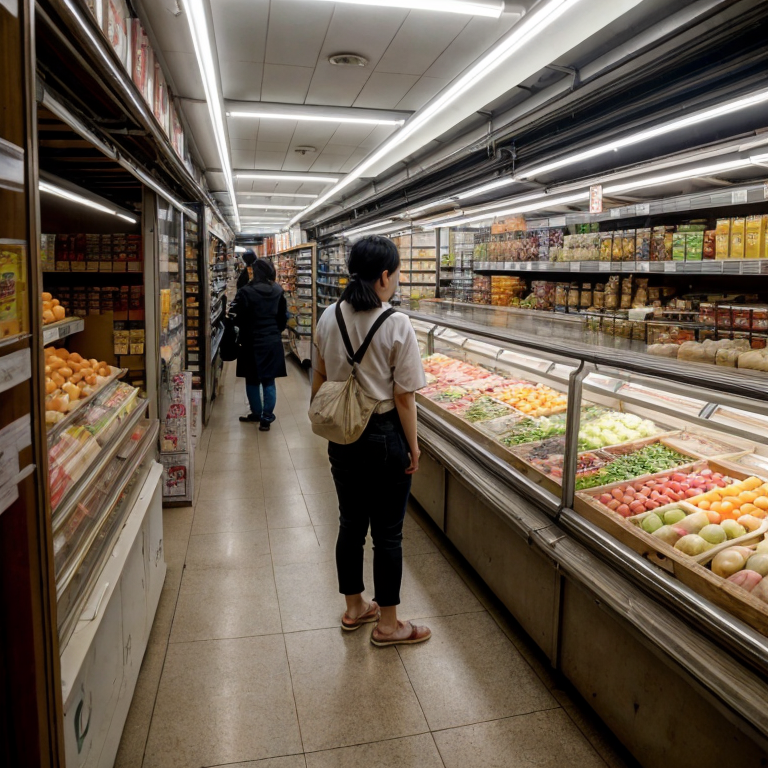
Imagine a world where eating specific foods in certain ways could land you in hot water with the law. Welcome to Japan, where food regulations are as bewildering as they are bizarre.
TL;DR: Key Points on Japan’s Unusual Food Regulations
Prohibition Against Whale Meat
There’s a stark irony in banning whale meat despite historical reliance.
No Sushi Outside of Restaurants
Consuming raw fish at home is strictly regulated and illegal for reasons that seem inexplicable to outsiders.
Citrus Color Standards
The hue of citrus fruits matters, enforced by the Ministry of Agriculture.
Unusual Prohibitions
In Japan, certain food items carry cultural and legal significance. One particularly strange regulation pertains to whale meat. Despite being a staple in Japanese cuisine for centuries, commercial whaling has been banned since 1986 due to international pressure regarding conservation efforts. Yet, the irony deepens: while commercial whaling is restricted, there are no such rules against consuming dolphin meat—a practice that has faced substantial criticism and ethical concerns.
Labeled Food Customs
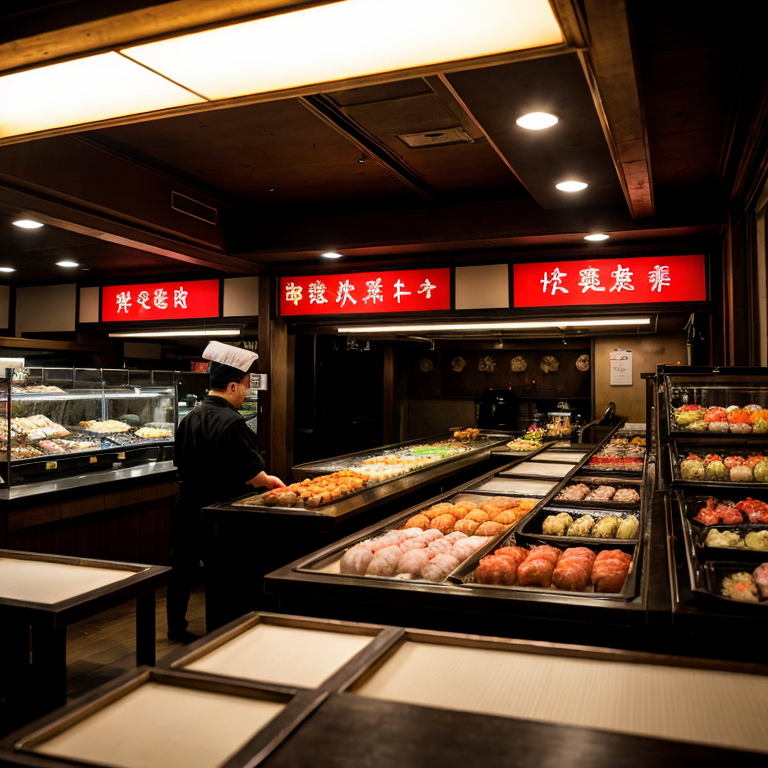
When it comes to sushi, Japan takes its culinary traditions seriously—so seriously that serving raw fish outside of a licensed restaurant setting can land you in legal trouble. Why? It’s not entirely clear, but the government cites hygiene standards as the primary reason. However, many speculate that cultural and historical norms also play a significant role.
“I once tried to make sushi at home using some fresh tuna I had purchased. Next thing I knew, there was an inspector knocking on my door.”
—Reader Confession
Strangest Customs
Beyond specific food items, the color of your fruits is subject to regulation in Japan. The Ministry of Agriculture enforces strict standards for citrus fruits like oranges and lemons, ensuring they meet certain aesthetic criteria before being sold in markets. It’s not just about taste or freshness but also how visually appealing these fruits are. This enforcement has led some to speculate about the deeper cultural significance behind why such a specific standard exists.
The Science of Citrus Colors
The regulations surrounding citrus color standards highlight Japan's unique approach to food aesthetics and quality control, which extends beyond merely nutritional value. It’s often suggested that this stringent emphasis on visual appeal reflects an inherent cultural reverence for presentation in Japanese cuisine.
“There was this one lemon that I picked up—it was so bright yellow it looked almost unnatural. Later, I learned they had been treated with a special dye to meet the standards.”
—Reader Confession
Mid-Article Cliffhanger
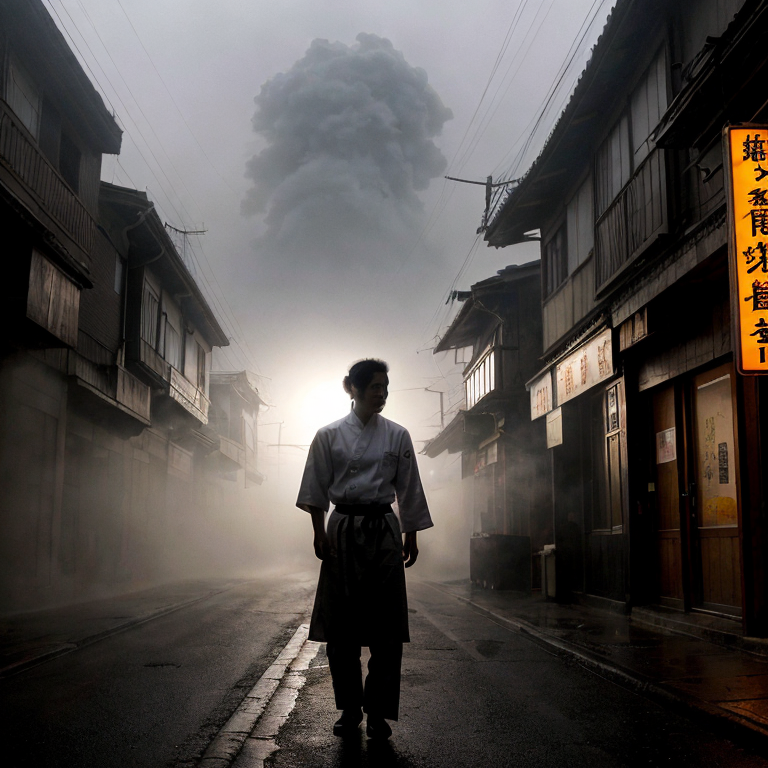
In Hollow Pines, a place where shadows stretch unnaturally long and whispers carry on the wind, there’s an unspoken rule that certain food preparations are strictly forbidden. Local lore suggests these regulations are not just cultural or legal but tied to ancient practices that safeguard against an unseen danger.
Quirky Restaurant Rules
Beyond mere aesthetics, Japanese law dictates the types of restaurants that can serve certain dishes. For example, there are strict guidelines regarding who can prepare and sell sushi due to its high-risk nature when it comes to food safety and hygiene. This regulation has led to a complex certification process for chefs aspiring to work in this field.
Reader Confessions
In Hollow Pines, the local bakeries have an unusual custom: they refuse to bake pastries on rainy days, claiming that the humidity affects their quality. It’s part folklore, part superstition—and entirely illegal according to municipal bylaws.
“I remember one stormy night when I decided to break the rule and make a batch of cookies. The next morning, there was an official notice from town hall warning me against such practices.”
—Reader Confession
Open-Ended Close
Why do these regulations exist? Are they purely for the protection of public health or something more sinister lurking beneath the surface? In Hollow Pines and beyond, Japan’s food laws continue to confound both residents and outsiders alike. As you ponder over your next meal in Japan, remember that every bite might come with a hidden narrative—or worse, an unspeakable consequence.
Labeled Food Lore
Guardians of the veil speak softly about certain foods holding the power to draw forth what lies dormant within the shadows. In Hollow Pines, they whisper tales of forbidden flavors and ingredients that should never be consumed after dusk, lest you find yourself in a place where reality bends and twists like the branches of the old pines.
Beneath the shadow of the ◬, the old giants must cede to the new. On the eve of the second cycle, the mortal coil must be reset. We do not sleep. We wait.