Why Antarctica's Blood Falls Turns Eerie Blue
Antarctica’s Blood Falls is a striking natural wonder that has captivated scientists and explorers for over a century. This phenomenon, located in the Taylor Glacier on the continent's coast, presents a unique blend of red and blue ice, creating an eerie yet captivating scene. The source of its unusual appearance lies deep within the glacier and involves complex geological and chemical processes.
TL;DR
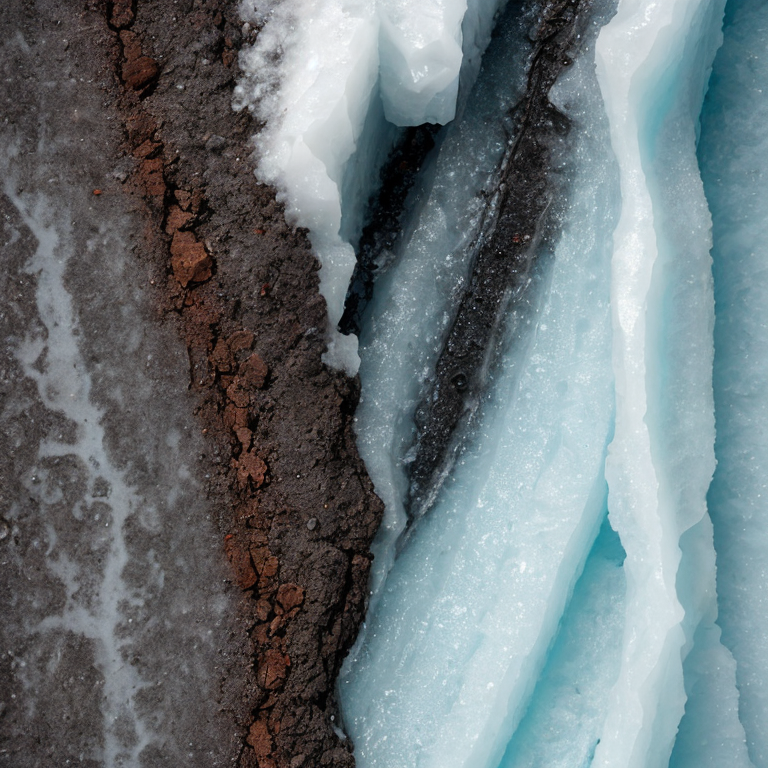
- Blood Falls is primarily known for its reddish liquid that flows from cracks in the Taylor Glacier.
- The surrounding blue ice results from trapped air bubbles and ancient marine water beneath the glacier.
- Microbial life thrives under extreme conditions, contributing to the unique chemistry of the falls.
- Ocean currents play a crucial role in maintaining the sub-glacial ecosystem.
- Blood Falls provides insights into extremophile biology and glaciology.
The Science Behind Eerie Blue Ice
Formation of the Taylor Glacier
The Taylor Glacier is an ancient ice formation that has been present for millions of years. It originates from the East Antarctic Ice Sheet, which covers vast stretches of Antarctica's interior. As the glacier moves towards the coast, it encounters a complex network of sub-glacial lakes and channels.
Sub-Glacial Ecosystems
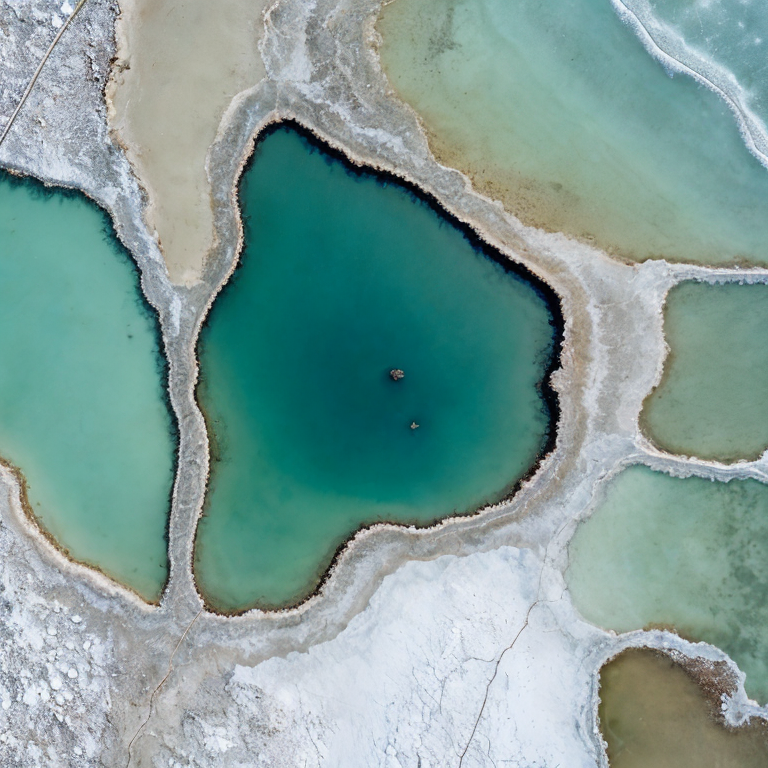
Beneath the Taylor Glacier lies an extensive network of interconnected freshwater and saltwater lakes, streams, and channels. These underground water systems are influenced by the presence of ancient marine sediments trapped beneath the ice sheet when it advanced millennia ago. The unique combination of fresh and saltwater creates a dynamic environment where various chemical reactions occur.
Chemistry of Blood Falls
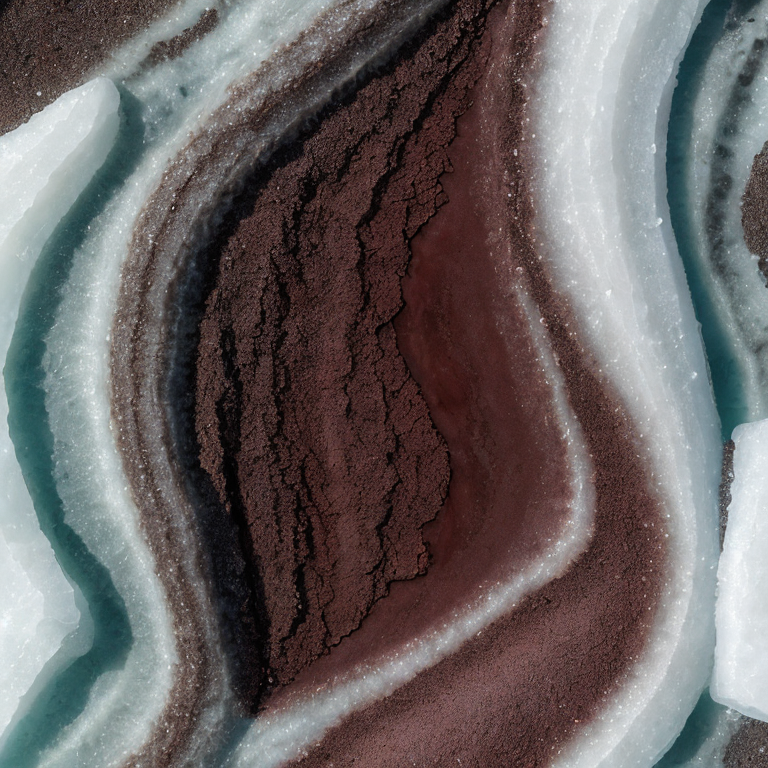
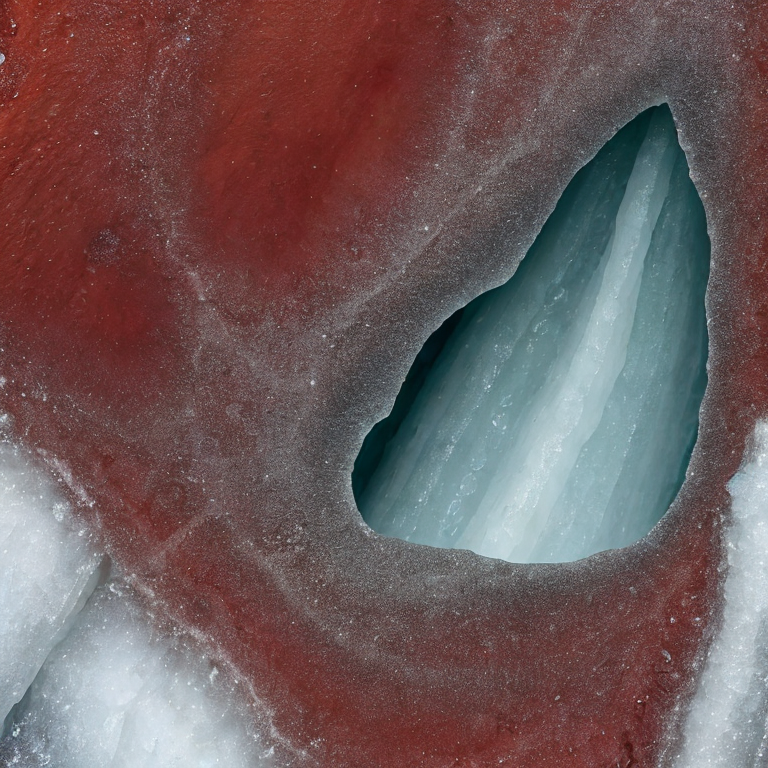
The red color of Blood Falls is caused by iron-rich brine that has oxidized to rust as it flows out onto the surface. This iron-laden water originates from sub-glacial lakes that are isolated from atmospheric oxygen due to their depth and lack of connection with external environments. When this iron-rich liquid reaches the air, the iron rapidly oxidizes, turning red.
Blue Ice Formation
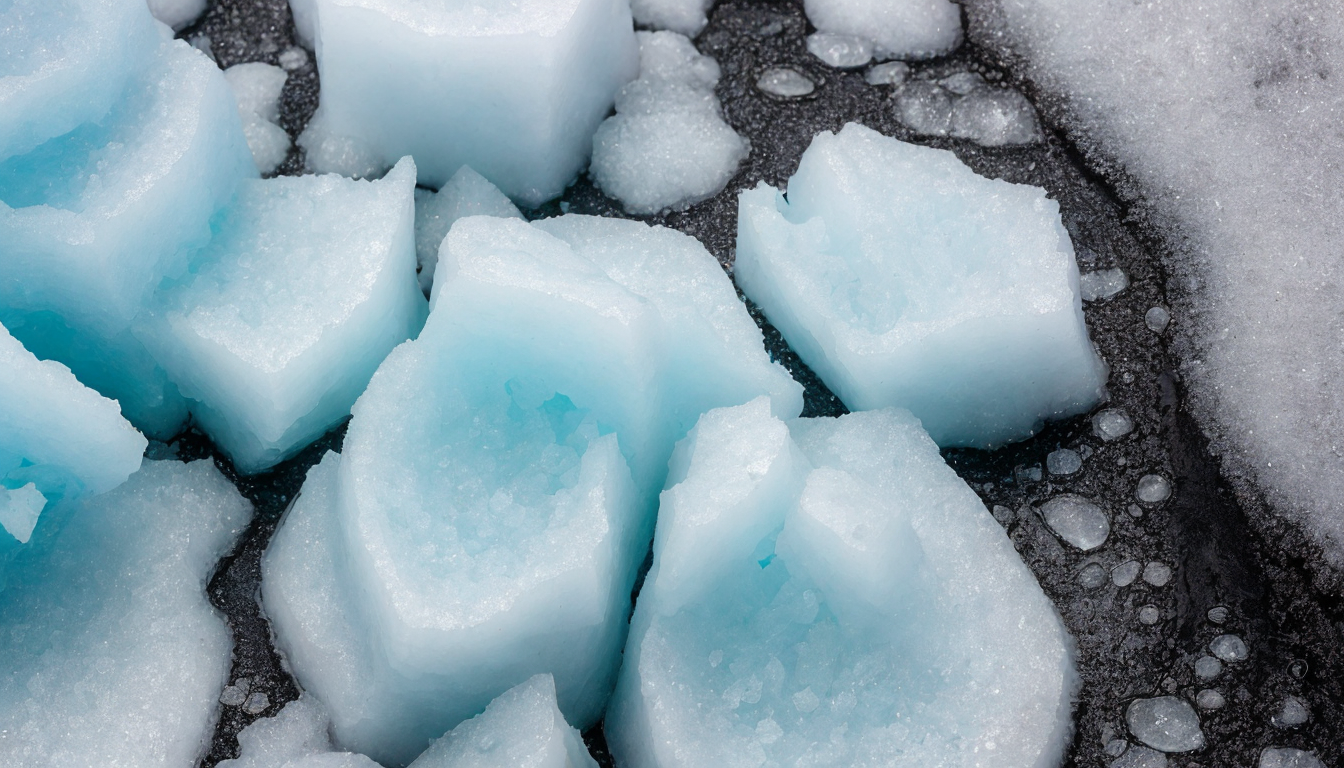
The blue ice surrounding Blood Falls is formed by a different process. Unlike the reddish liquid, the blue ice results from the compression and trapping of ancient marine water beneath the glacier. The intense pressure within the glacier traps air bubbles, which scatter light in such a way that only shorter wavelengths (blue) are visible to the human eye.
Role of Microbial Life
Microorganisms thrive in these extreme conditions, further complicating the chemical composition of Blood Falls. Bacteria and archaea survive under high-pressure, low-temperature environments by utilizing sulfur compounds for energy production through chemolithotrophy. These organisms contribute to the complex geochemistry observed at Blood Falls.
History and Exploration
Discovery
Blood Falls was first discovered in 1911 during the Australasian Antarctic Expedition led by geologist Griffith Taylor. The red liquid flowing from the glacier’s face caught the attention of expedition members, who were initially puzzled by its origin.
Early Research
Initial research focused on understanding the geological processes that could explain such an unusual occurrence. Scientists hypothesized about the presence of iron-rich deposits and volcanic activity beneath the glacier but lacked the technology to explore these theories comprehensively.
Modern Exploration Techniques
With advancements in remote sensing, drilling technologies, and microbial analysis, modern researchers have been able to delve deeper into the mysteries of Blood Falls. Ice-penetrating radar has revealed extensive sub-glacial lakes and channels, while water sampling provides direct evidence of the unique geochemical processes at work.
Etymology and Cultural Significance
Naming
The name "Blood Falls" was given by Griffith Taylor due to the striking red liquid that emerges from cracks in the glacier. The term captures both the visual impact and the mystery surrounding this natural wonder.
Cultural Impact
Over time, Blood Falls has become an iconic symbol of Antarctica's unique landscapes and scientific mysteries. It features prominently in educational materials about glaciology and extremophile biology, inspiring a new generation of scientists and explorers.
Misconceptions
Origin Myths
Despite its name, the red liquid does not originate from blood or any biological source related to animals or humans. The reddish color is purely due to iron oxidation.
False Claims About Alien Life
Some speculative theories have suggested that Blood Falls might host alien life forms adapted to extreme conditions. However, current scientific evidence points towards terrestrial extremophiles rather than extraterrestrial organisms.
Conclusion
Antarctica's Blood Falls remains an intriguing natural phenomenon that continues to challenge and inspire scientists. Its unique combination of red liquid and blue ice provides valuable insights into the complex interactions between geology, chemistry, and biology in extreme environments. As research progresses, our understanding of this captivating site deepens, revealing more about Earth’s hidden worlds beneath glaciers and beyond.