Why Animals Change Color for Winter Survival
TL;DR
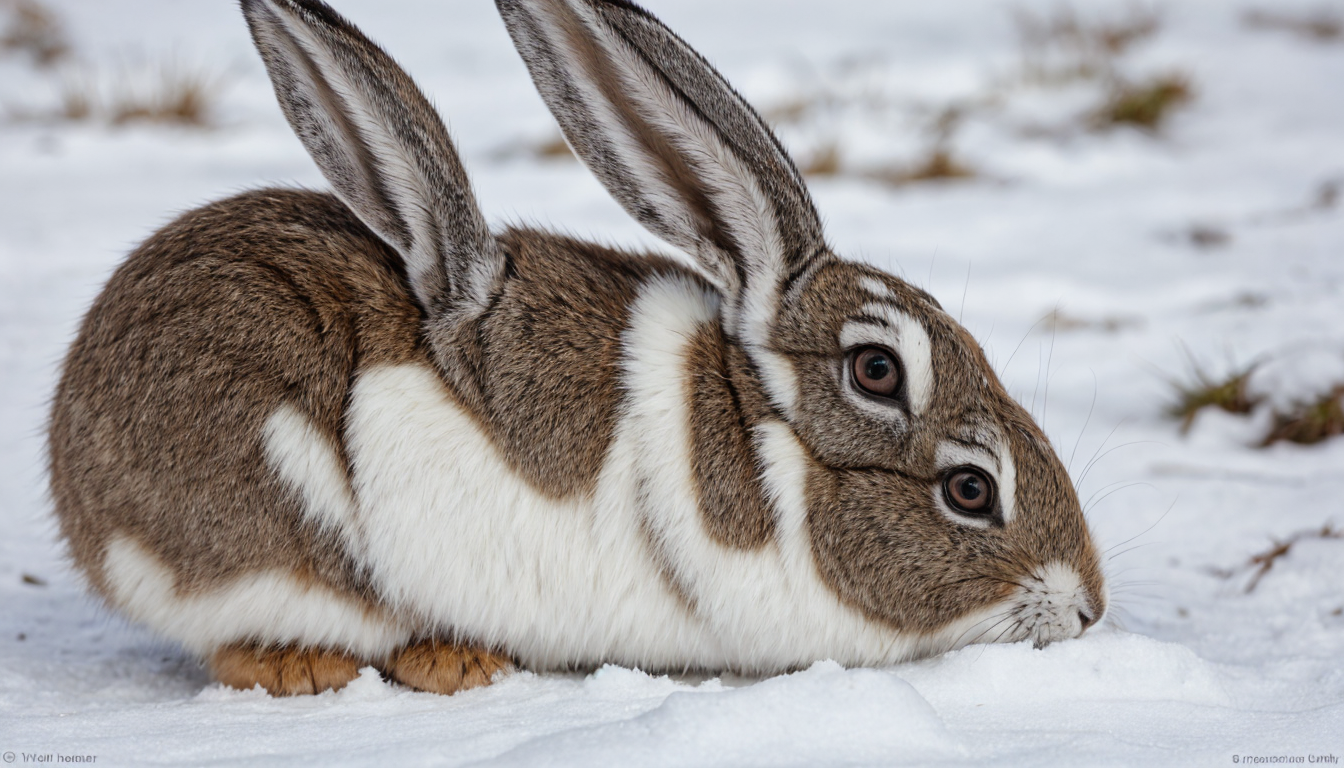
- Some animals change their coat color seasonally to blend into snowy environments.
- The mechanism involves the production of melanin and other pigments that alter fur or feather appearance.
- This adaptation is crucial for survival by reducing predation risk and improving hunting success.
- Not all species undergo seasonal changes, as it depends on habitat type and evolutionary history.
Introduction
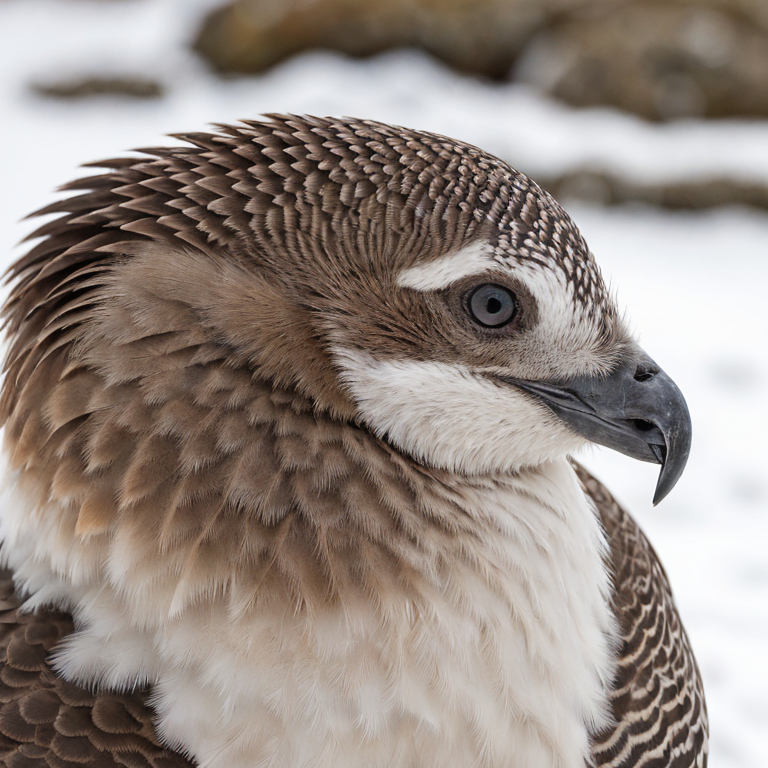
Certain animals exhibit remarkable transformations during winter, altering their coat color to blend into snowy landscapes. This adaptation serves multiple purposes: enhancing camouflage against predators and prey, regulating body temperature, and signaling mating readiness. Understanding why these changes occur provides insights into the complex interplay between environmental pressures and biological evolution.
The Mechanism Behind Color Change
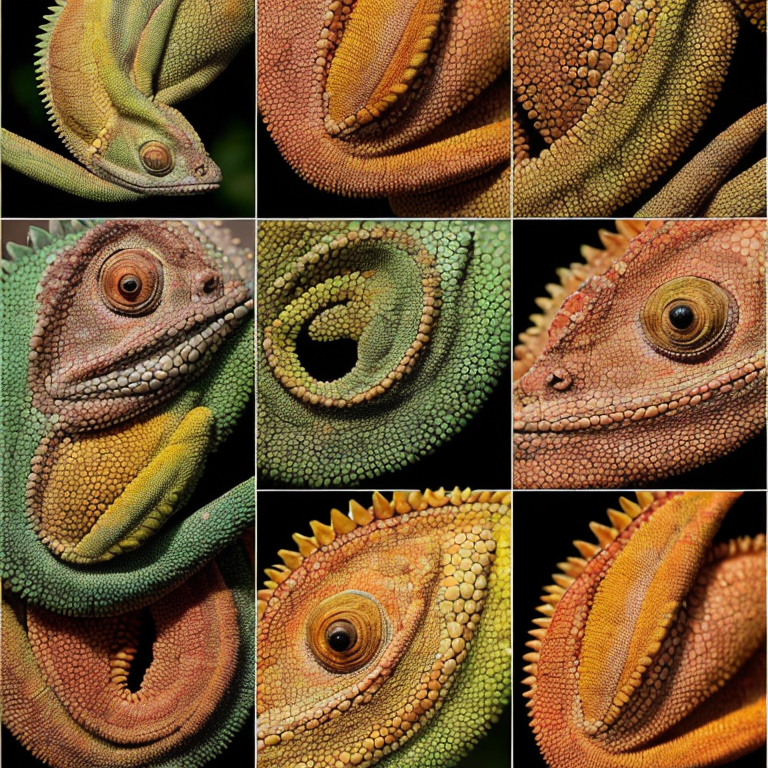
Biological Processes Involved in Seasonal Transformation
The seasonal change in coat color is primarily driven by hormonal shifts triggered by shorter daylight hours during autumn. As days grow shorter, the pineal gland produces more melatonin, which signals to the pituitary gland to reduce production of melanin—a pigment responsible for darkening skin and fur.
Role of Melanin
Melanin plays a critical role in determining an animal's coat color by regulating how much light is absorbed or reflected. In winter, reduced levels of melanin lead to lighter colored coats that blend into snowy environments. Conversely, increased production during summer results in darker hues better suited for grassy or forested habitats.
Genetic Factors
Genetic inheritance also influences whether a species will undergo seasonal color changes. Certain genes control the timing and extent of pigment production, ensuring that offspring inherit traits beneficial to survival under changing environmental conditions.
Historical Context and Evolutionary Reasoning
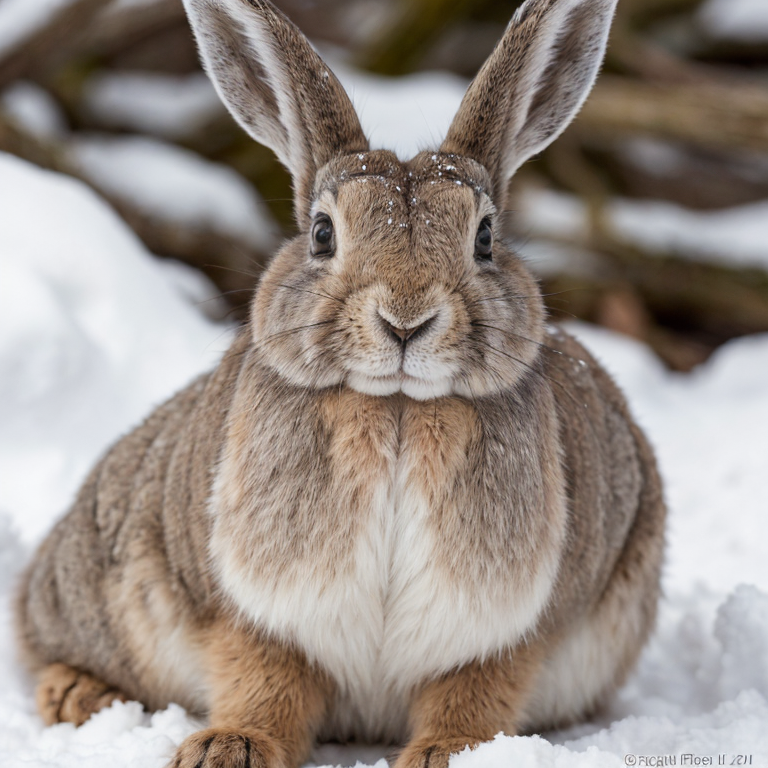
Early Observations by Scientists
The phenomenon was first noted in the 18th century when naturalists began documenting variations in animal appearance with seasonal changes. Early observers like Carl Linnaeus documented these transformations but lacked an understanding of the underlying biological mechanisms.
Adaptive Advantages Over Time
Over evolutionary history, those animals that could adapt to changing environments through color shifts gained significant advantages over less adaptable species. This selective pressure led to the development of specialized genes and physiological responses that enable seasonal changes.
Cultural Significance and Perception
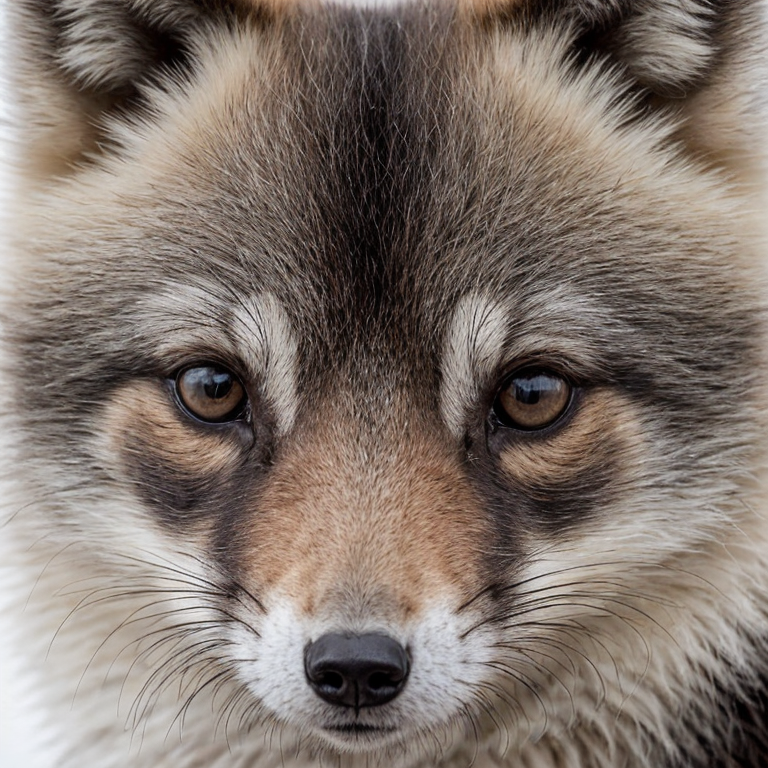
Symbolism in Folklore and Art
Across cultures, winter coat changes have inspired folklore tales and artistic representations. Animals like the ermine (a type of weasel) with its white winter fur symbolize purity and transformation, reflecting broader themes of renewal and adaptation found in many seasonal traditions.
Scientific Interest and Research Focus
In recent decades, scientists have increasingly studied these adaptations to understand broader ecological principles such as habitat specialization and climate change impacts. This research not only enhances our knowledge of specific species but also provides valuable data on ecosystem dynamics and conservation needs.
Misconceptions and Common Myths
Color Change is Solely for Camouflage
While camouflage is a primary reason for color changes, it’s important to note that other factors like thermoregulation and social signaling can play significant roles. For instance, some species may use lighter coats in winter as an insulating layer against cold temperatures.
All Animals Undergo Seasonal Changes
Contrary to popular belief, not all animals change their coat color seasonally. This adaptation is more common among mammals living in regions with distinct seasons and heavy snowfall. Birds, for example, often rely on behavioral changes like migration rather than physical transformations.
Comparative Analysis Across Species
Mammals vs. Birds
Mammals such as the Arctic fox and ptarmigan (a type of grouse) are well-known for their winter white coats. In contrast, many birds migrate to warmer climates where they retain darker feathers year-round. This diversity underscores how different strategies evolve in response to similar environmental pressures.
Geographic Distribution Effects
Species distribution also influences whether color changes occur. Animals inhabiting regions with consistent snow cover throughout the year are more likely to have adapted for winter camouflage compared to those living in areas with variable or no snowfall.
Conclusion
The seasonal change in coat color observed in certain animals represents a sophisticated evolutionary adaptation aimed at enhancing survival and reproductive success under fluctuating environmental conditions. By understanding this mechanism, we gain deeper insights into the intricate balance between biology and ecology that shapes life on Earth. Continued research will further elucidate how these adaptations might evolve as climates continue to shift globally.