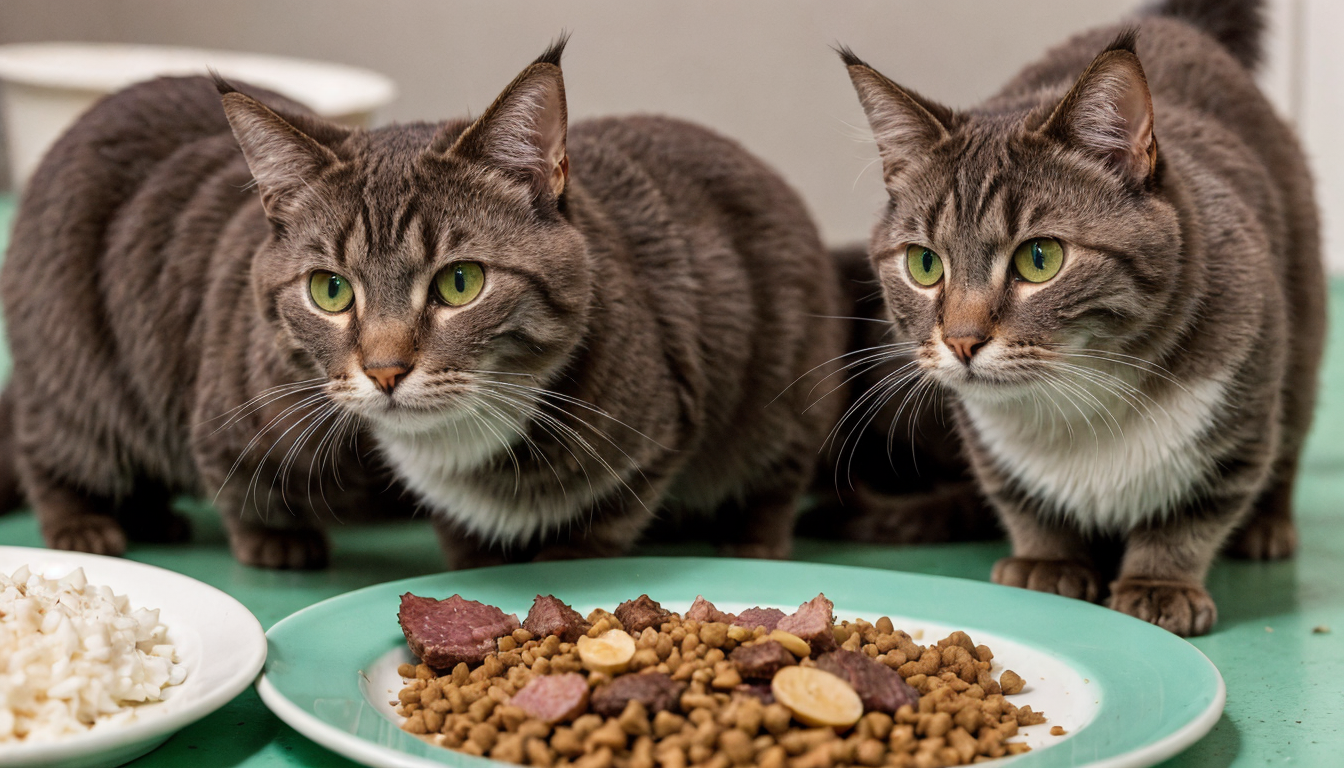
Why Cats Crave Dog Food: The Surprising Answer
TL;DR:
- Cats may prefer dog food due to its higher protein content and palatability.
- Some cat owners report that their pets exhibit a preference for the taste and texture of dog food.
- Understanding feline nutritional needs is crucial in addressing dietary preferences.
- There are potential health risks associated with feeding cats dog food regularly.
The Science Behind Cats' Preference for Dog Food
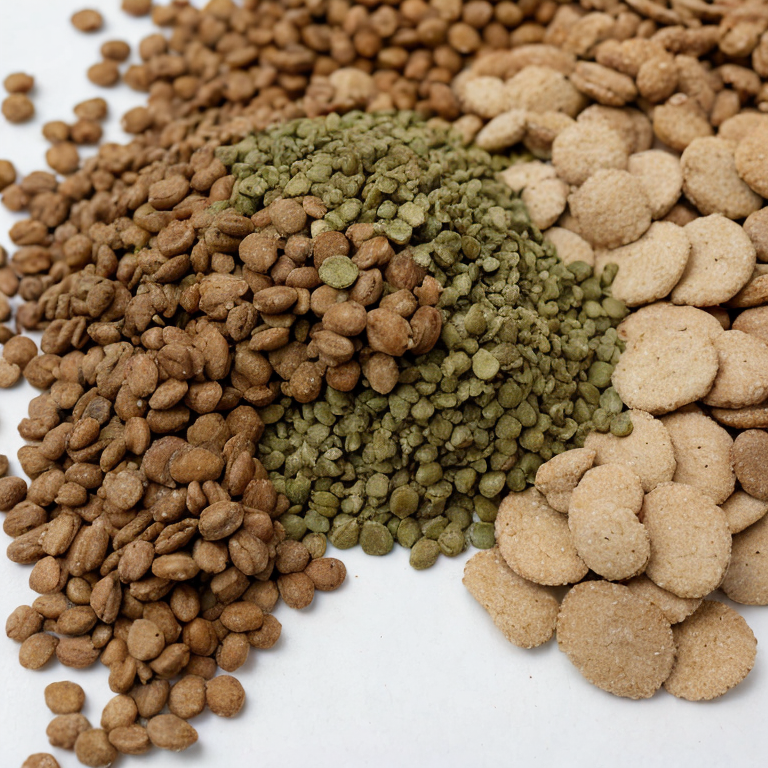
Cats, being obligate carnivores, require specific nutrients that are primarily found in animal-based proteins. While commercial cat food is formulated to meet these nutritional requirements, some felines display a preference for dog food. One reason may be the difference in protein content: dog food often contains higher levels of meat and protein compared to many commercially available cat foods.
Protein Content
Protein is essential for cats due to their unique metabolic needs. Unlike dogs, which are omnivores, cats lack certain enzymes that allow them to digest plant proteins efficiently. Therefore, they require a diet high in animal-based proteins. Dog food typically contains more meat and less grain than many commercial cat foods, making it more appealing to some cats.
Palatability
The taste and texture of dog food can be highly attractive to cats due to its formulation. Manufacturers design dog food with flavors that appeal to dogs, but these same flavors may also tempt a cat’s palate. Additionally, the consistency and size of kibble in dog food might make it more appealing for some cats.
Historical Context and Cultural Factors

Historically, feeding cats dog food was not uncommon when commercial pet foods were less specialized. Cats would often eat leftovers or scraps from their human families' meals, which included a variety of meats and fats. As pet food manufacturing became more advanced, cat-specific formulas emerged to meet the unique nutritional needs of felines.
Early Pet Food Formulations
The first commercial pet food was introduced in the early 20th century. Initially, these products were not specifically designed for cats or dogs but rather as a way to use surplus meat and grains. Over time, manufacturers began creating more specialized formulas tailored to the nutritional requirements of each species.
Modern Pet Food Trends
In recent years, there has been an increase in pet food options that cater to specific dietary needs and preferences. Many cat owners report their pets showing interest in dog food brands that are marketed as grain-free or high-protein diets. This trend reflects a broader shift towards more natural feeding habits for both cats and dogs.
Nutritional Needs of Cats
Understanding the nutritional requirements of cats is crucial when considering their diet. While dog food may be appealing, it does not meet all the necessary nutritional standards for felines.
Essential Amino Acids
Cats require essential amino acids such as taurine, which are critical for heart and eye health. Taurine is abundant in animal-based proteins but may be lacking or insufficiently balanced in some dog food formulations. Feeding cats solely on dog food can lead to deficiencies that affect their overall well-being.
Fatty Acids
Omega-3 and omega-6 fatty acids play a significant role in maintaining skin health, coat quality, and immune function in cats. While both cat and dog foods contain these essential fats, the balance and source of these nutrients may differ. For example, fish oil is often used as a rich source of omega-3s in cat food but less so in dog food.
Common Misconceptions About Cats and Diet
Misunderstandings about feline dietary preferences can lead to improper feeding practices that harm cats' health.
Myth: Dog Food Is Healthier for Cats
One common misconception is that dog food is healthier or more nutritious than cat food. This belief stems from the assumption that higher protein content in dog food equates to better nutrition for cats, but it overlooks the specific nutritional requirements of felines.
Myth: Cats Can Thrive on Any Food
Another prevalent myth is that cats can thrive on any type of food as long as they eat enough. While cats are adaptable, their bodies have evolved to require certain nutrients found primarily in animal-based proteins. Feeding them dog food regularly can lead to nutritional imbalances and health issues.
Health Risks Associated with Feeding Cats Dog Food
Feeding cats exclusively or predominantly on dog food can pose significant health risks due to the differences in nutrient composition between cat and dog diets.
Nutritional Deficiencies
Cats fed primarily on dog food may develop deficiencies in essential nutrients such as taurine, vitamin A, arachidonic acid, and niacin. These deficiencies can lead to serious health issues including heart disease, blindness, skin disorders, and neurological problems.
Obesity and Weight Gain
Dog food often contains higher levels of carbohydrates compared to cat food. Regular consumption of dog food can contribute to weight gain and obesity in cats, increasing their risk for diabetes, arthritis, and other conditions associated with excess body fat.
Managing Unusual Dietary Preferences in Cats
Addressing a cat's preference for dog food requires careful consideration and intervention from pet owners.
Consultation with Veterinarians
Before making significant changes to a cat’s diet, it is essential to consult with a veterinarian. They can provide personalized advice based on the individual health needs of your cat and recommend appropriate dietary supplements or alternative foods if necessary.
Gradual Transition Strategies
Transitioning a picky cat from dog food back to proper cat food should be done gradually to prevent digestive upset. Start by mixing small amounts of cat food with the current diet, slowly increasing the proportion of cat food over several days until the transition is complete.
Conclusion
While some cats may show a preference for dog food due to its higher protein content and palatability, feeding them dog food regularly can lead to nutritional imbalances and health risks. Understanding the specific dietary needs of cats and addressing unusual eating habits through professional guidance ensures better overall health and well-being for your feline companion.