Why Bananas Glow Under Blacklight in 2026
TL;DR:
- Certain fruits like bananas contain compounds that fluoresce under ultraviolet light.
- Chlorophyll and other pigments play a role in the fluorescence of tropical fruits.
- The effect is due to natural chemical reactions within the fruit, not artificial additives or supernatural causes.
Understanding Fruit Fluorescence Under UV Light
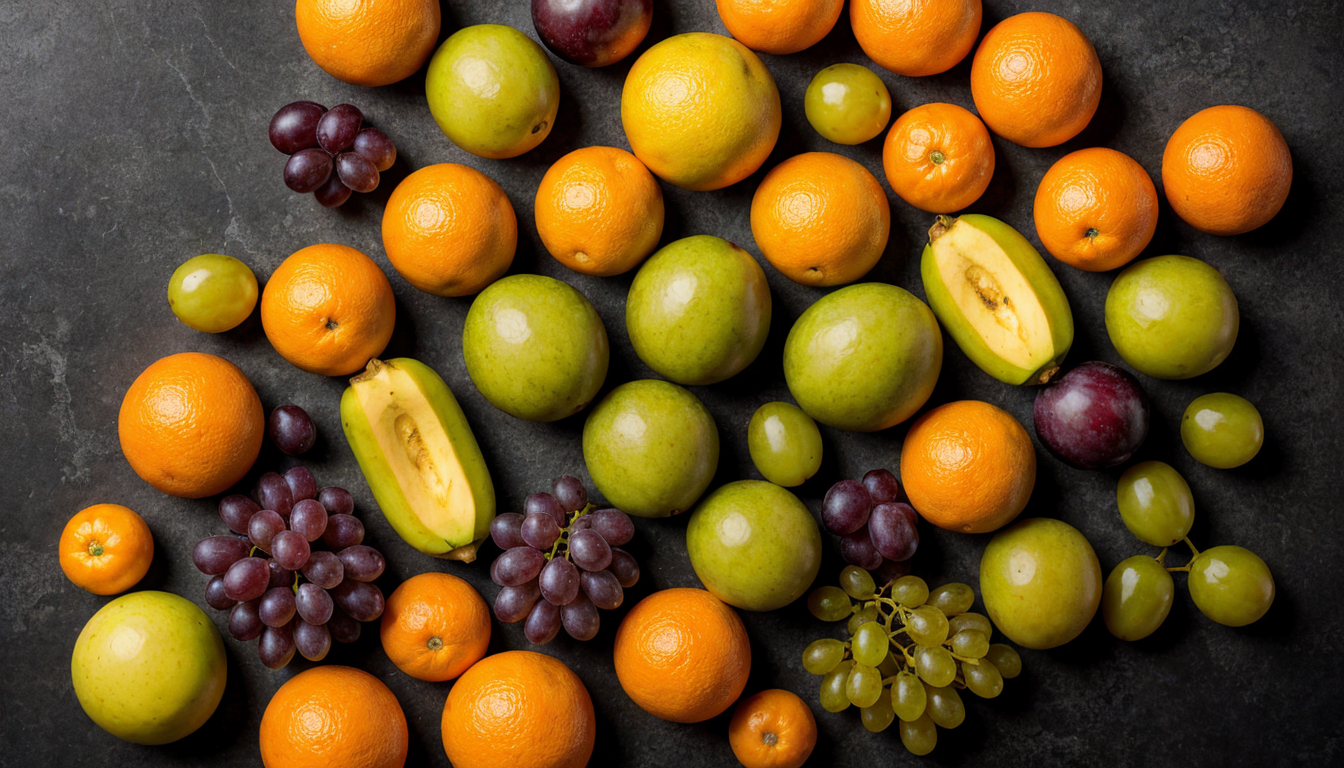
The phenomenon of certain fruits glowing under blacklight has intrigued scientists and laypeople alike. Bananas are among the most notable examples, shining brightly when exposed to ultraviolet (UV) light. This effect is a result of natural fluorescence caused by specific compounds within the fruit.
What Causes Fluorescence in Fruits?
Fluorescence occurs when certain substances absorb energy from one source and then emit that energy as visible light. In fruits like bananas, this process involves chlorophyll and other pigments that naturally occur in plants. When these compounds are exposed to UV light, they absorb the high-energy photons and re-emit them at lower energy wavelengths, typically within the visible spectrum.
Role of Chlorophyll
Chlorophyll is a crucial pigment for photosynthesis and plays an important role in fluorescence under UV light. This green pigment has unique properties that allow it to interact with ultraviolet radiation. When chlorophyll absorbs UV light, it undergoes molecular changes that lead to the emission of visible light, often appearing as a green or yellow glow.
Other Pigments Involved
Besides chlorophyll, other pigments such as carotenoids and flavonoids can also contribute to fluorescence in fruits. Carotenoids are responsible for yellow, orange, and red colors in fruits, while flavonoids include a wide range of compounds that provide color and have antioxidant properties. These pigments absorb different wavelengths of light and emit light at specific wavelengths, contributing to the overall glow under UV light.
Historical Context
The study of fruit fluorescence has been an area of scientific interest for decades. Early observations date back to the early 20th century when researchers began exploring how plants interact with various types of light. However, it wasn't until more advanced spectroscopic techniques were developed that scientists could accurately measure and understand the chemical processes behind this phenomenon.
Early Observations
In the mid-1900s, botanists noted unusual patterns in plant fluorescence under UV light but lacked the tools to explain these observations fully. It was only later with the advent of more sophisticated analytical methods that researchers could confirm the presence of fluorescent compounds within fruits and elucidate their properties.
Modern Research
In recent years, advancements in chemical analysis have allowed scientists to identify specific molecules responsible for fruit fluorescence. Techniques such as Raman spectroscopy and luminescence imaging have provided valuable insights into how these compounds interact with UV light and emit visible wavelengths.
Etymology of Fluorescence Terms
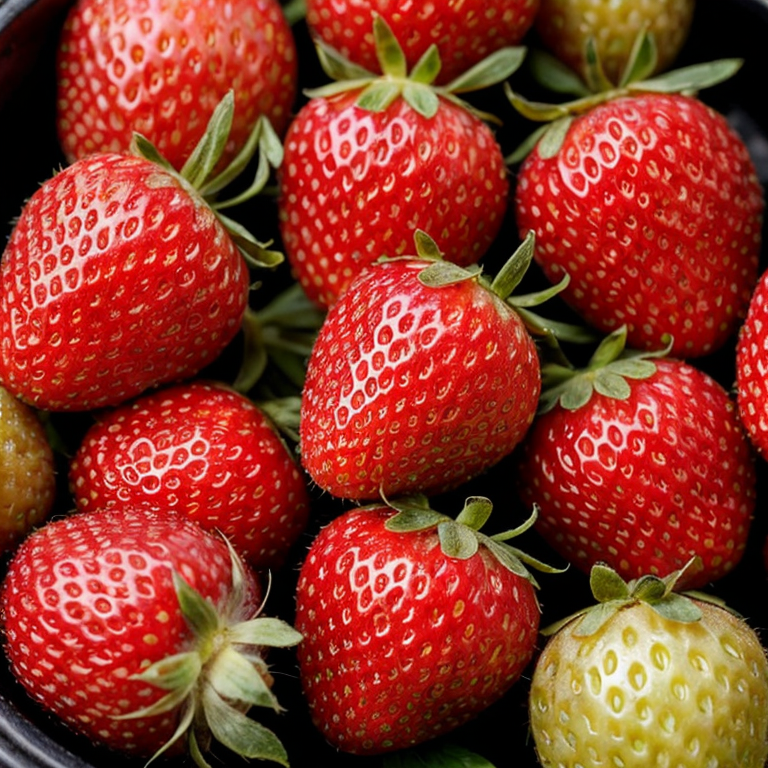
The term "fluorescence" itself has an interesting etymology rooted in the early days of scientific discovery. Derived from the Latin word "florescere," meaning to flourish or bloom, it was coined by Sir George Gabriel Stokes in 1852 when he observed that certain substances emit light after absorbing radiant energy.
Key Definitions
- Fluorescence: The emission of light by a substance that has absorbed light or other electromagnetic radiation.
- Photoluminescence: A broader term encompassing both fluorescence and phosphorescence, referring to the luminescent emission from any substance upon exposure to incident photons.
- Phosphorescence: Similar to fluorescence but characterized by longer-lived emissions after excitation.
Cultural Significance
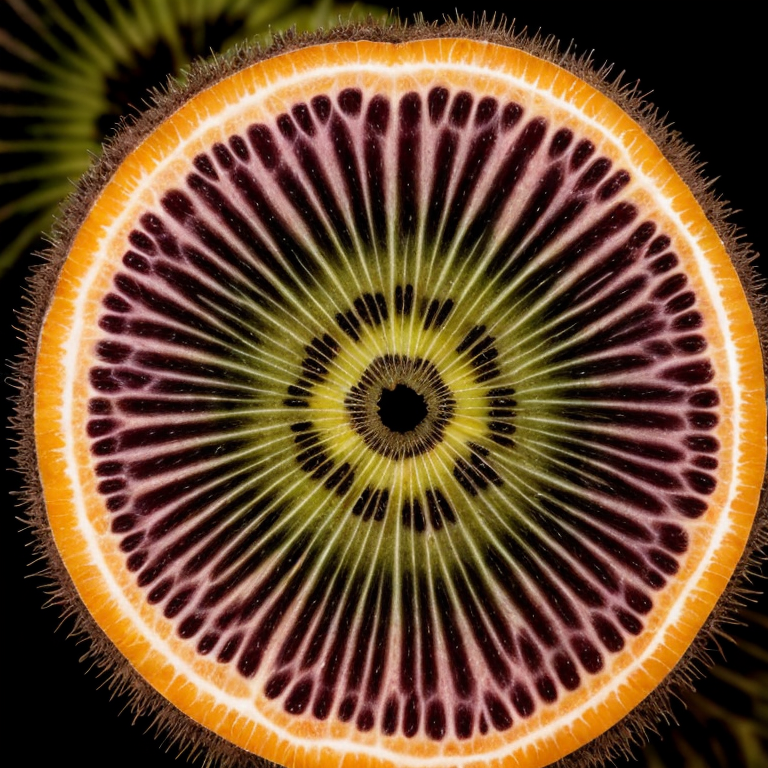
The phenomenon of fruit fluorescence has captured public imagination beyond scientific circles. In popular culture, it has been featured in various forms of media and art, often symbolizing mystery or otherworldly phenomena.
Media Representations
Films, television shows, and literature have occasionally used the idea of glowing fruits as a plot device to evoke a sense of wonder or suspense. While these representations can be entertaining, they sometimes oversimplify the scientific reality behind the phenomenon.
Artistic Interpretation
Artists have also been inspired by the ethereal quality of fruit fluorescence, creating works that explore themes of nature and light. These artistic expressions often blend scientific accuracy with creative interpretation, highlighting the beauty in natural phenomena.
Misconceptions About Fruit Fluorescence
Despite its well-documented basis in science, there are several misconceptions surrounding why fruits like bananas glow under blacklight.
Artificial Additives Myth
One common misconception is that glowing fruits have been artificially treated or enhanced. However, this is not the case; the fluorescence observed is entirely natural and a result of inherent chemical properties within the fruit.
Supernatural Claims
Some people attribute the phenomenon to supernatural causes or believe it signifies something ominous. While these ideas can be intriguing from a cultural perspective, they lack scientific foundation and are based more on folklore than fact.
Conclusion
The glow emitted by fruits like bananas under blacklight is a fascinating natural phenomenon rooted in the chemistry of pigments such as chlorophyll and carotenoids. Understanding this process not only enhances our appreciation for the complexity of nature but also highlights the importance of scientific inquiry in unraveling mysteries of everyday life. While cultural interpretations can be rich sources of inspiration, they should not overshadow the clear scientific explanations available.
As an Amazon Associate, The Weird Report earns from qualifying purchases. Product links above are suggestions related to this article; they don't affect what we write.