Why Do Some Lakes Suddenly Turn Mysterious Colors?
Lakes that suddenly change color can be a striking natural phenomenon, capturing the attention and curiosity of both locals and tourists. These transformations can range from vivid blues to murky greens or even reddish hues, often leaving observers puzzled about the underlying causes. This article delves into the scientific explanations for why lakes might suddenly alter their appearance.
TL;DR

- Algae Blooms: Certain types of algae can cause lakes to turn green, blue-green, or red.
- Mineral Deposits: Iron and other minerals dissolved in water can give lakes a reddish or brown tint.
- Water Pollution: Contaminants from human activities like agriculture and industry can change the color of lake waters.
- Seasonal Changes: Seasonal variations in temperature and sunlight affect algae growth, leading to shifts in water color.
- Ecosystem Dynamics: The presence of certain plants and animals can influence water chemistry and cause discoloration.
Causes of Lake Discoloration
Algae Blooms
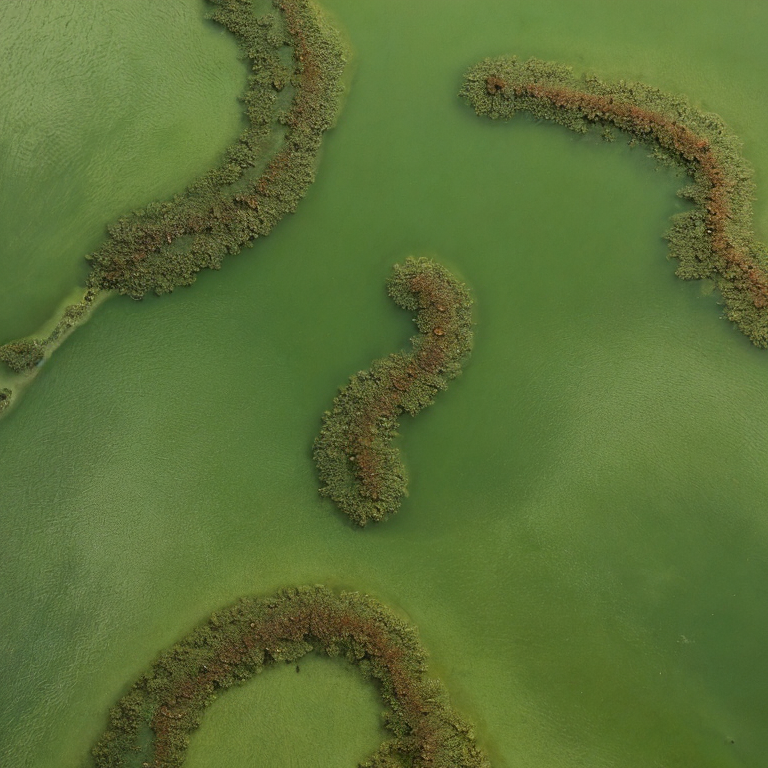
Algae blooms are one of the most common reasons for lakes changing colors. These blooms occur when algae populations rapidly increase due to an abundance of nutrients, particularly phosphorus and nitrogen, often introduced through runoff from agricultural fields or sewage discharge. Different types of algae can produce a range of colors:
- Cyanobacteria (Blue-Green Algae): Often causes a blue-green hue.
- Diatoms: Can give lakes a silvery sheen under sunlight.
- Red Tide: Certain harmful algal blooms, like those caused by Alexandrium, can turn water red.
Examples
Lake Erie in North America frequently experiences cyanobacteria blooms that significantly impact its appearance and local ecosystems. In Australia, the presence of blue-green algae known as Microcystis has led to water discoloration in several lakes during summer months when nutrient levels are high.
Mineral Deposits
Minerals dissolved in lake waters can also affect their color. Iron-rich minerals often result in red or brown hues:
- Iron Oxides: When iron is oxidized, it produces reddish compounds that tint the water.
- Tannins from Organic Matter: These substances give lakes a tea-like color due to high concentrations of organic matter breaking down.
Examples
Lake Retba (Rose Lake) in Senegal appears pink due to the presence of cyanobacteria and salt. However, other lakes like Red Lake in Canada are red because of iron oxide deposits.
Water Pollution
Contaminants from human activities can significantly alter lake colors:
- Agricultural Runoff: Excessive use of fertilizers leads to nutrient enrichment, promoting algae growth.
- Industrial Discharge: Chemical pollutants can change water color and harm aquatic life.
Examples
Lake Tai in China has suffered severe pollution from industrial discharge and agricultural runoff, leading to significant changes in its appearance. Similarly, Lake Erie's annual blooms are exacerbated by phosphorus-rich fertilizer runoff from farms surrounding the lake.
Seasonal Changes
Seasonal variations influence algae growth and water chemistry:
- Temperature Fluctuations: Warmer temperatures can accelerate algal growth.
- Sunlight Exposure: Increased sunlight promotes photosynthesis in algae.
Examples
In spring, lakes may experience a "spring turnover" where colder surface waters mix with warmer deeper layers, affecting dissolved oxygen levels and potentially triggering algae blooms. Conversely, during autumn, the opposite process occurs as water temperatures cool, leading to different color shifts due to reduced sunlight penetration.
Ecosystem Dynamics
The presence of certain plants and animals can alter lake chemistry:
- Phytoplankton: Microscopic plants that contribute to algal blooms.
- Zooplankton: Animals like Daphnia consume phytoplankton, affecting nutrient cycles.
Examples
In some lakes, the introduction or overpopulation of zebra mussels has disrupted food chains and altered water clarity. These invasive species filter out algae but can also concentrate pollutants in their tissues, indirectly impacting lake coloration through changes in nutrient levels and dissolved substances.
Scientific Explanation for Colorful Lakes
Chemical Composition
The chemical composition of lakes plays a crucial role in determining their colors:
- Phosphorus Levels: High phosphorus promotes algal growth.
- Dissolved Organic Matter (DOM): DOM can give water a brownish tint due to tannins.
Research Insights
Studies have shown that the ratio of nutrients like nitrogen and phosphorus influences which type of algae predominates, thus affecting lake color. For instance, lakes with higher ratios of nitrogen to phosphorus tend to experience more intense cyanobacteria blooms compared to diatom-dominated waters.
Light Absorption and Scattering
Water absorbs different wavelengths of light differently:
- Blue Light: Is absorbed less by water than other colors.
- Red Light: Is quickly absorbed by organic matter and algae.
Optical Properties
The optical properties of lake water, such as its transparency and turbidity, determine how much sunlight penetrates the surface. For example, lakes with high levels of suspended particles scatter more light, reducing visibility but potentially enhancing certain color hues visible from above.
Historical Context
Ancient Observations
Ancient civilizations noted unusual changes in lake colors:
- Egyptian Records: Documented red and green waters due to algae blooms.
- Greek Philosophers: Speculated on causes of water discoloration without scientific understanding.
Early Theories
Early scientists like Aristotle attempted to explain these phenomena based on limited knowledge, often attributing them to supernatural or divine influences rather than natural processes. This historical context underscores the evolving nature of our understanding of lake color changes over time.
Cultural Significance
Folklore and Myths
Folklore surrounding lakes has often been shaped by their mysterious appearances:
- Legends: Some cultures associate colored waters with spirits or curses.
- Rituals: Practices involving water purification to restore normal colors.
Modern Interpretations
Today, while many cultural practices continue, there is a greater emphasis on scientific explanation and environmental conservation efforts. Communities are increasingly aware of the human impact on lake ecosystems and strive to maintain natural balance through sustainable management practices.
Misconceptions
Supernatural Beliefs
The tendency to attribute sudden color changes in lakes to supernatural causes persists:
- Myths about Spirits: Some believe that colored waters signify the presence of spirits or ghosts.
- Curse Theories: Legends suggest that certain lakes are cursed, causing them to change colors.
Scientific Clarification
Modern science provides clear explanations for these phenomena based on natural processes rather than mystical forces. However, understanding and dispelling such misconceptions remains an ongoing challenge in environmental education.
Environmental Ignorance
Lack of awareness about the causes behind lake discoloration can lead to mismanagement:
- Neglect: Failure to address pollution issues.
- Overreaction: Panic due to lack of knowledge about natural cycles.
Public Education
Educating communities about the scientific reasons for these changes is crucial. By fostering a better understanding, people are more likely to engage in sustainable practices that protect lake ecosystems and preserve their beauty.
Conclusion
The sudden change in color of lakes can be attributed to various natural processes and human activities. From algae blooms and mineral deposits to seasonal variations and pollution, each factor contributes uniquely to altering the appearance of these bodies of water. Understanding these causes not only enhances our appreciation of nature's wonders but also underscores the importance of environmental stewardship. By promoting scientific literacy and responsible management practices, we can better protect and preserve the vibrant beauty of lakes for future generations.


