Blue Light Nightmares: The Sleep Disrupting Truth
TL;DR
- Blue Light and Melatonin: Exposure to blue light from electronic devices suppresses the production of melatonin, a hormone crucial for sleep regulation.
- Sleep Quality Impact: Diminished melatonin levels can lead to fragmented sleep patterns and increased occurrences of nightmares.
- Psychological Effects: Nightmares associated with blue light exposure may exacerbate anxiety and stress.
- Screen Time Recommendations: Limiting screen time before bed is recommended to improve sleep quality and reduce the likelihood of experiencing nightmares.
- Blue Light Filters: Utilizing blue light filters or wearing protective eyewear can mitigate the adverse effects of blue light on sleep.
Understanding Blue Light

What is Blue Light?
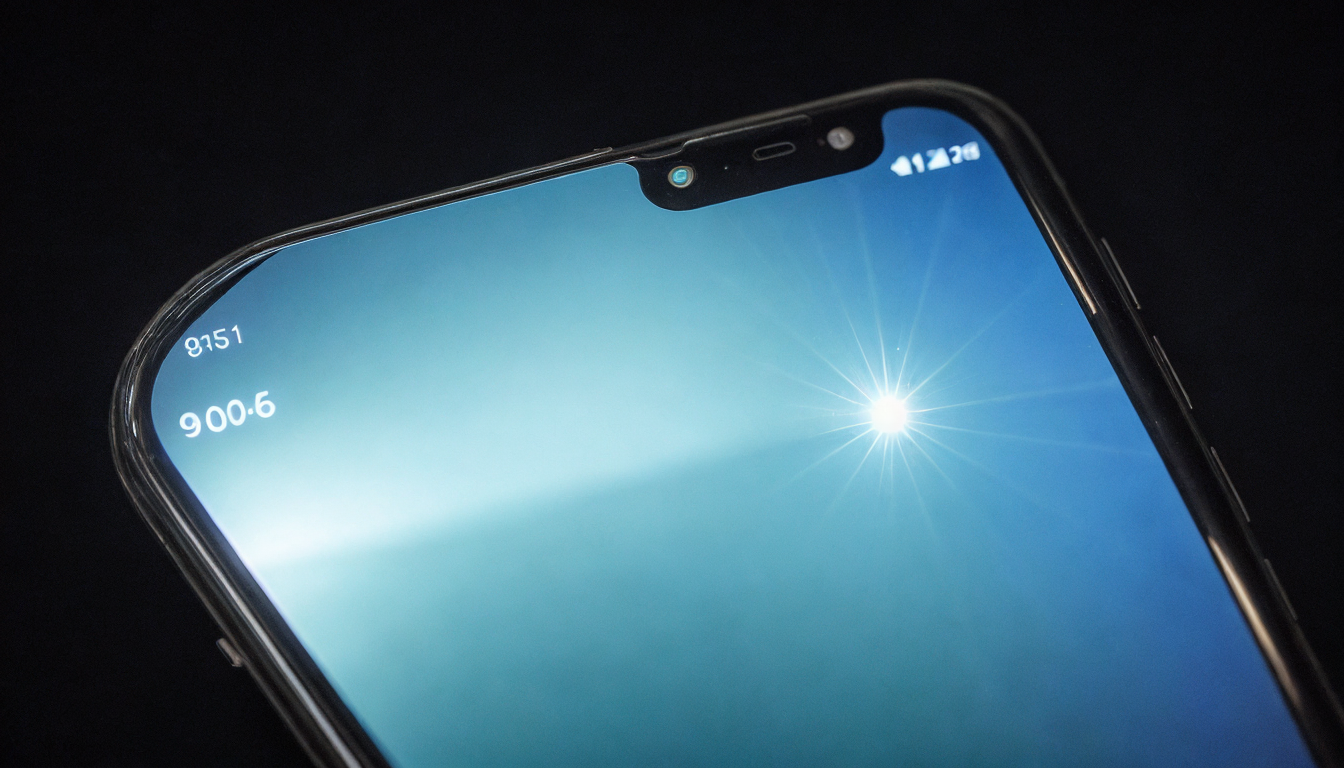
Blue light, a part of the visible spectrum with wavelengths between 450 and 495 nanometers, is emitted by electronic devices such as smartphones, tablets, computers, and LED lights. This type of light has shorter wavelengths compared to other colors in the visible spectrum, making it more energetic.
The Impact of Blue Light on Sleep
Suppression of Melatonin Production
Blue light can suppress melatonin production, which typically starts increasing a few hours before bedtime as part of the body's natural circadian rhythm. When exposed to blue light late at night, this process is delayed or halted entirely, leading to difficulties in falling asleep and maintaining restful sleep.
Fragmented Sleep Patterns
Reduced melatonin levels can result in more fragmented sleep patterns characterized by frequent awakenings during the night. This disruption can lead to a decrease in deep sleep stages, which are essential for physical recovery and cognitive function.
Psychological Impacts of Blue Light
Anxiety and Stress Amplification
The psychological effects of disrupted sleep due to blue light exposure include increased anxiety and stress levels. Poor quality sleep is often associated with heightened emotional reactivity and can contribute to the development or exacerbation of mental health issues such as depression and insomnia.
Historical Context and Research
Early Studies on Light Effects
Early research into the impact of light on human physiology dates back several decades, but it wasn't until more recent years that studies specifically focused on blue light and its effects on sleep patterns. Initial investigations highlighted how different wavelengths of light could influence hormone production and behavioral responses.
Recent Scientific Discoveries
Recent scientific discoveries have provided a deeper understanding of the mechanisms through which blue light affects melatonin levels and overall sleep quality. Studies published in reputable journals such as Sleep and Chronobiology International have shown that exposure to blue light before bedtime can significantly disrupt circadian rhythms, leading to various sleep disorders.
Cultural Impact
Digital Age Sleep Habits
In the digital age, people increasingly rely on electronic devices for work, entertainment, and social interaction. This has led to a cultural shift where screen time often extends into late evening hours, potentially affecting sleep patterns and mental health.
Screen Time Before Bed
The habit of using screens before bed is prevalent among many demographics worldwide. Surveys indicate that a significant portion of the population uses electronic devices within an hour of bedtime, which can contribute to increased occurrences of nightmares and other sleep disturbances.
Sleep Hygiene Practices
Awareness about the importance of good sleep hygiene has grown in recent years. This includes recommendations such as avoiding screen time before bed, establishing consistent sleep schedules, and creating a comfortable sleeping environment free from distractions.
Misconceptions About Blue Light Nightmares

Myth: All Nightmares Are Caused by Blue Light
While blue light can contribute to nightmares and poor sleep quality, it is important to recognize that not all nightmares are caused solely by this factor. Other psychological and environmental factors also play a role in the occurrence of nightmares.
Misconception: Turning Off Devices Is Enough
Simply turning off electronic devices before bed may not be sufficient to prevent blue light-induced sleep disruptions. The effects of blue light can linger for several hours after exposure, making it necessary to implement additional strategies such as using blue light filters or wearing protective eyewear.
Conclusion
The relationship between blue light and nightmares is a complex one that involves multiple physiological and psychological factors. While the suppression of melatonin by blue light can indeed lead to fragmented sleep patterns and increased occurrences of nightmares, it is crucial to understand that this is just one aspect of a broader set of influences on sleep quality.
To mitigate the adverse effects of blue light exposure before bed, individuals are encouraged to adopt healthier sleep habits such as limiting screen time, using blue light filters, and maintaining a consistent bedtime routine. These practices can significantly improve overall sleep quality and reduce the likelihood of experiencing nightmares associated with disrupted circadian rhythms.