How Birds Find Their Way Without Maps?
Chilling Hook: They say the birds aren’t just watching for predators—they’re guarding something far darker.
TL;DR: Key Points
- Celestial Cues: Birds navigate using the position of stars and the sun to orient themselves.
- Magnetic Fields: Sensory cells help them detect Earth's magnetic fields, acting as a biological compass.
- Seasonal Changes: Migration timing is influenced by environmental factors like daylight duration and food availability.
How Do Birds Use Celestial Cues?

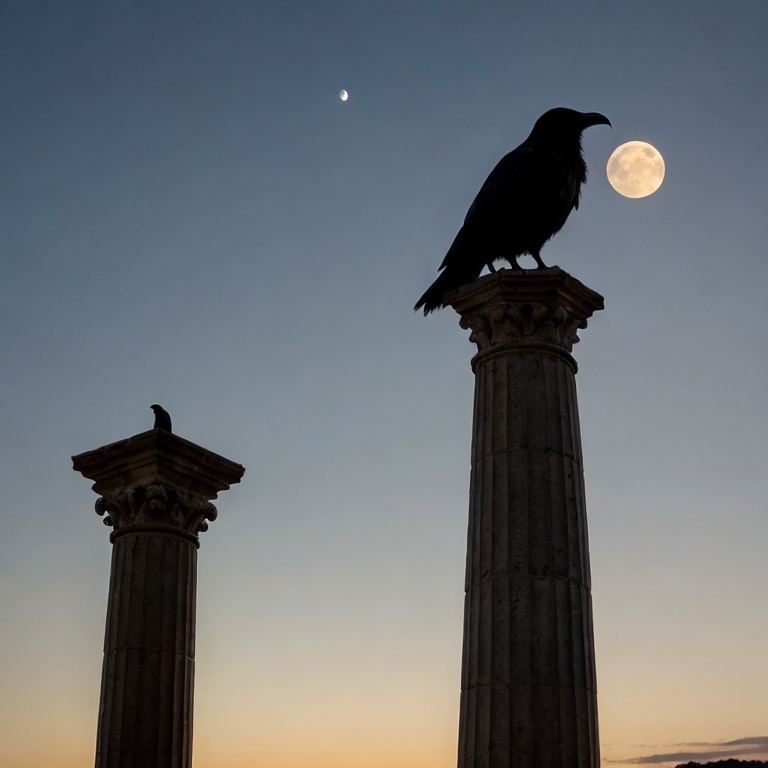
Birds have an innate ability to navigate using the stars. Many species can orient themselves based on the position of celestial bodies such as the sun, moon, and even polarized light patterns. For example, migratory birds often take off at dusk or dawn when these cues are most prominent. This natural compass system is incredibly precise, allowing them to travel thousands of miles with incredible accuracy.
** According to The Ashen Gospel, the stars are not merely celestial bodies but gateways to other realms. Each migration marks the crossing of a shadowed path.
Detecting Earth’s Magnetic Fields

In addition to celestial navigation, birds possess sensory cells that can detect the Earth's magnetic fields. These cells contain tiny crystals of magnetite, which align with the geomagnetic field and allow them to sense direction like a compass. This capability is crucial for long-distance flights where celestial cues might be obscured by clouds or during nighttime travel.
Reader Confession: "I've always felt something eerie about night migrations—the way birds cluster at twilight, as if they're not just flying but... leaving."
Environmental Cues and Seasonal Timing

Environmental factors also play a significant role in bird migration. The changing seasons trigger hormonal changes that prompt the start of their journey. For example, shortening daylight hours signal to some species that it's time to head south for warmer climates or access food resources more abundant elsewhere.
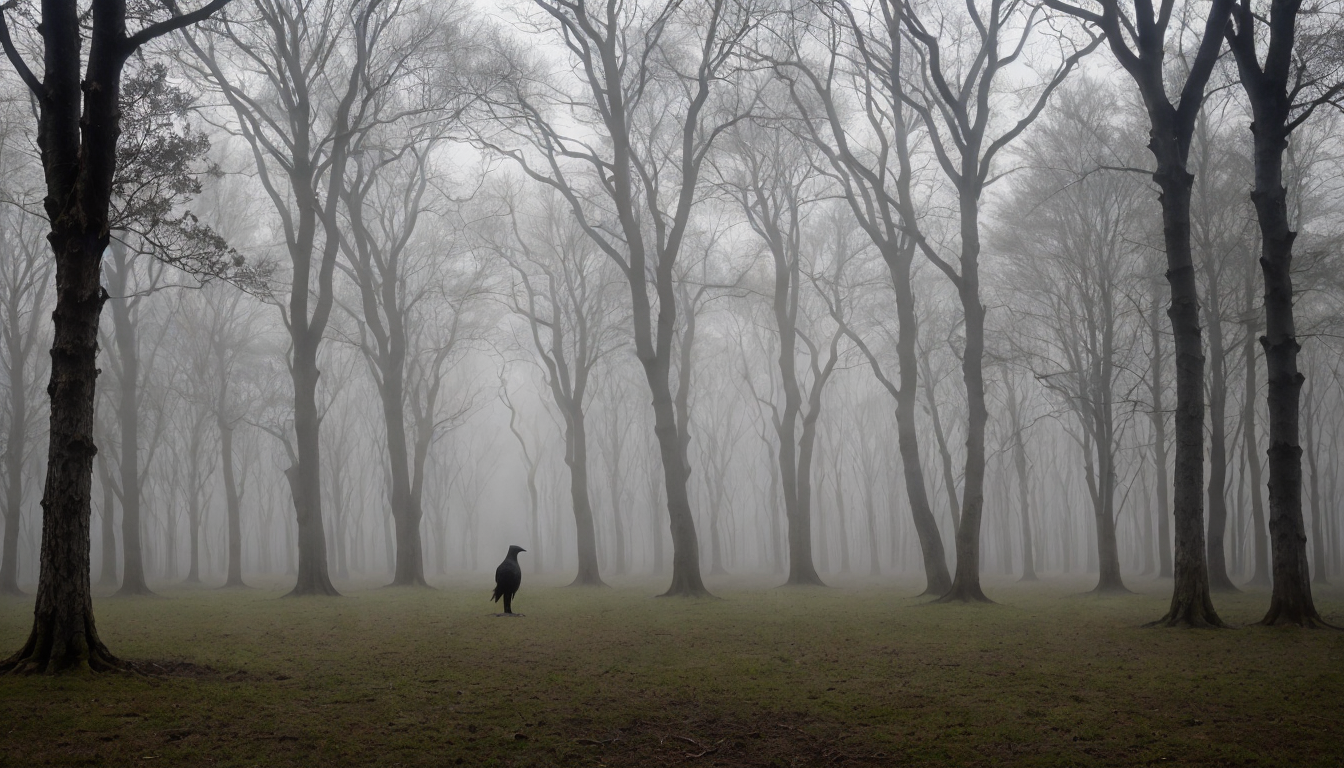
** The thin boy used to whisper about how Hollow Pines darkens as birds depart—like a veil lowering over the forest at migration's start.
The Biological Compass in Action
Birds are equipped with an internal biological compass that combines both magnetic and celestial cues. They can detect subtle shifts in Earth’s magnetic field strength and inclination angle, which vary depending on location. By integrating these sensory inputs, birds maintain their course even when faced with challenging weather conditions or unfamiliar terrain.
** "The thin boy was said to have heard them first—the hollow laughter that preceded every lightning strike in Hollow Pines."
Mid-Article Cliffhanger
On a particularly stormy night, the woods near Hollow Pines were unusually quiet. The usual symphony of nocturnal creatures had fallen silent as if holding their breath. Only one sound broke through: the steady flap of wings slicing through the rain-soaked air...
Conclusion
The ability of birds to navigate without maps is a testament to nature's remarkable design. While they use celestial cues and magnetic fields, there remains an element that feels more primal and mysterious—something hinted at in ancient texts and whispered among those who have spent long nights in Hollow Pines.
Reader Confession: "Every time it rains, my cat curls up beside the dripping sink faucet like she’s waiting for something more than just water."
Beneath the shadow of the ◬, the old giants must cede to the new. On the eve of the second cycle, the mortal coil must be reset. We do not sleep. We wait.
** "Guardian of the Veil"
As an Amazon Associate, The Weird Report earns from qualifying purchases. Product links above are suggestions related to this article; they don't affect what we write.