Why Algae on Sloths' Fur Isn't a Problem
Chilling Hook: They say the sloth’s secret lies in its coat, where life thrives and predators miss.
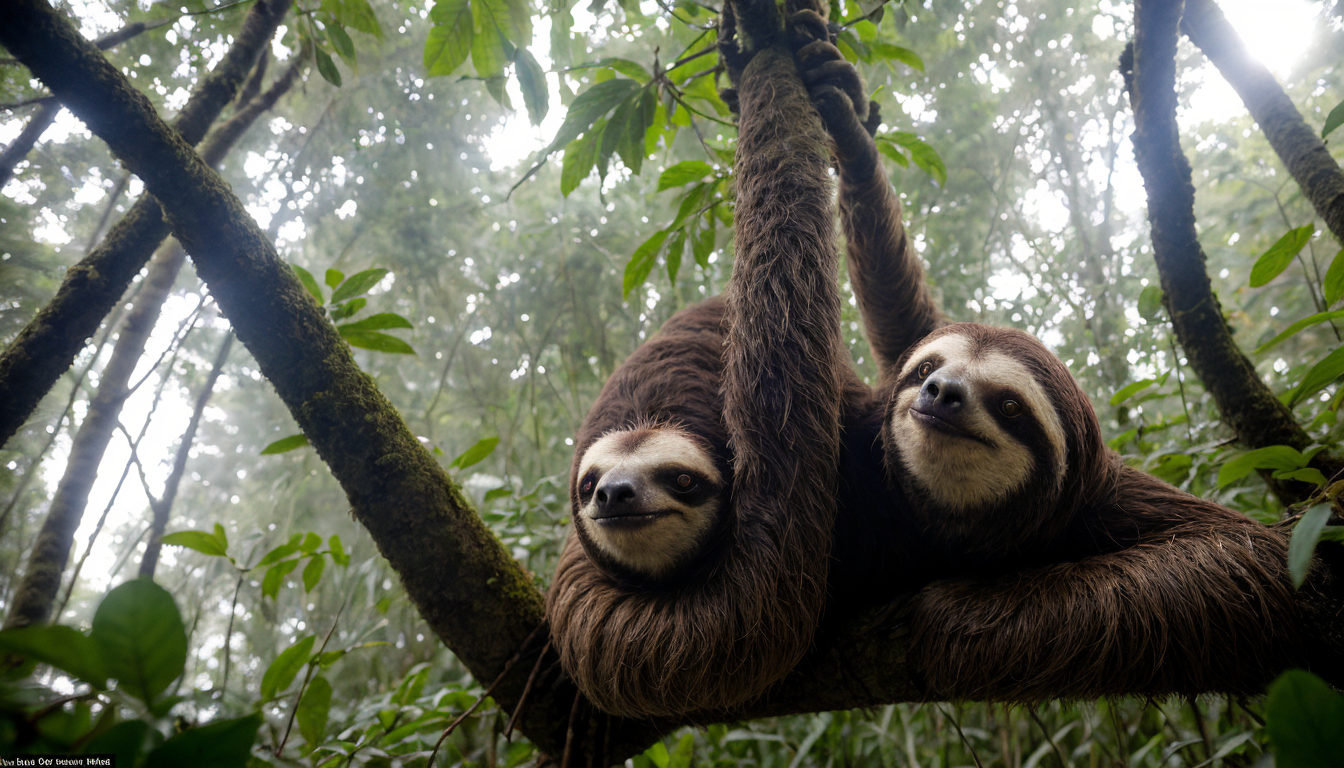
Sloths are one of nature's most intriguing creatures. These slow-moving mammals spend much of their lives hanging upside down from tree branches, moving so infrequently that algae can actually grow on their fur. But why does this happen? And more importantly, how do sloths not only tolerate but benefit from the presence of these green guests?
TL;DR: Key Points
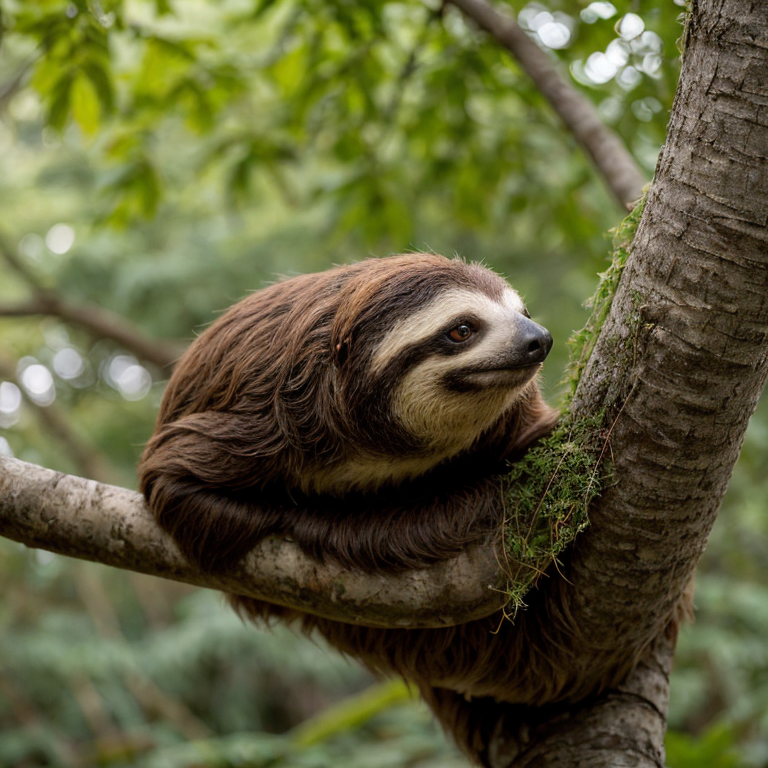
- Camouflage: Algae in a sloth's fur provides an excellent form of camouflage.
- Nutrition Source: The algae growing on their skin may offer nutritional benefits to the sloth itself, though this is still under research.
- No Harm: There’s no evidence that algae negatively impacts the health or wellbeing of sloths.
Sloths and Their Unique Adaptation
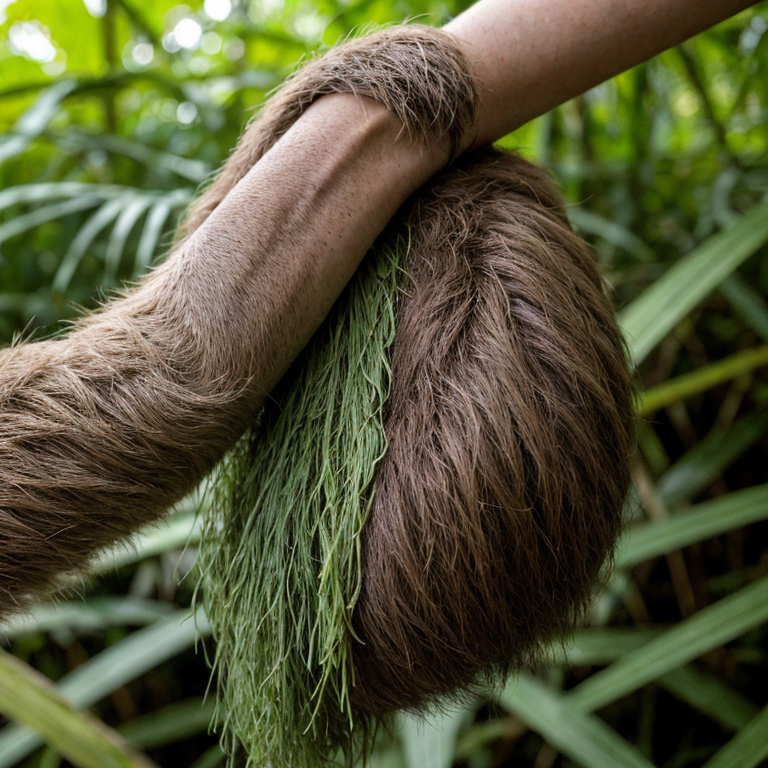
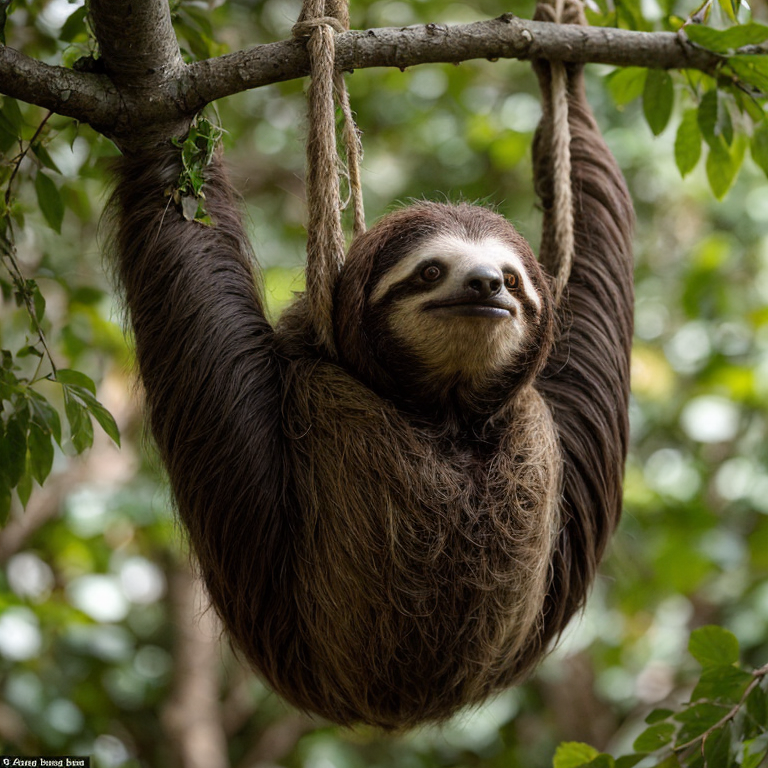
Sloths are fascinating animals primarily found in Central and South American rainforests. They spend most of their lives hanging from tree branches, moving so slowly that a green coating can develop on their fur. This coating isn’t just algae but also consists of fungi and other microorganisms. Despite its appearance, this green covering serves multiple purposes.

Lore Breadcrumb
"In Hollow Pines, the old whispers speak of creatures whose very essence is intertwined with the forest's soul."
The Role of Algae in Sloth Survival
Camouflage: The algae growing on a sloth’s fur acts as a form of camouflage, blending them into their natural environment. This green covering allows sloths to blend seamlessly with the lush canopy above, making it difficult for predators like eagles and snakes to spot them.
Nutritional Benefits: Interestingly, some researchers believe that the algae might contribute to the nutrition intake of sloths. While more research is needed to confirm this hypothesis, there’s speculation that the algae could provide vitamins or other nutrients beneficial to sloth health.
Reader Confession
"I’ve always felt a strange comfort in knowing that something can blend so well into its surroundings, as if nature itself has an innate protective mechanism."
The Surprising Benefits of Algal Growth
The presence of green algae isn't just superficial; it plays a crucial role in the sloth’s survival strategy. Sloths are known for their incredibly slow movement and low metabolism, which means they conserve energy by remaining motionless for long periods. This lifestyle makes them prime targets for predators unless nature provides its own form of protection.
Reader Confession
"One night, I woke up to my cat staring intensely at a spot on the wall. There was nothing there—yet."
How Does Algae Impact Sloth Behavior?
Sloths’ fur is structured in such a way that it creates tiny grooves where algae can settle and grow. The thick mat of hair traps water, providing an environment ideal for algal growth. This unique relationship between sloth fur and algae also highlights the adaptability of these creatures to their specific habitats.
Mid-Article Cliffhanger
As scientists continue to unravel the mystery behind why algae grows on sloths’ fur, there's a strange whisper in the forest at night—a shadowy figure that seems to move when no one is watching. It’s as if nature itself is guarding its secrets from prying eyes...
Lore Breadcrumb
"When the last light flickers green, it heralds the passage of souls, the thinning veil."
Conclusion
The presence of algae on sloth fur isn’t just harmless; it's an incredible example of how symbiotic relationships can benefit both organisms. While more research is needed to understand all aspects of this relationship, what we know so far suggests that these green guests are indeed a natural and beneficial part of the sloths' ecosystem.
Open-Ended Close
But as night falls in Hollow Pines, there's a sense that not everything is as it seems. The shadows grow longer, and whispers linger on the wind. What secrets do they hold? Only time will tell...
Lore Breadcrumb
"Guardian of the Veil."
In unraveling the mysteries of sloths’ algae-covered fur, we step closer to understanding nature's intricate balance. Yet, in doing so, we also encounter hints of something far more elusive and ancient—reminders that not all answers are meant to be found.
As an Amazon Associate, The Weird Report earns from qualifying purchases. Product links above are suggestions related to this article; they don't affect what we write.