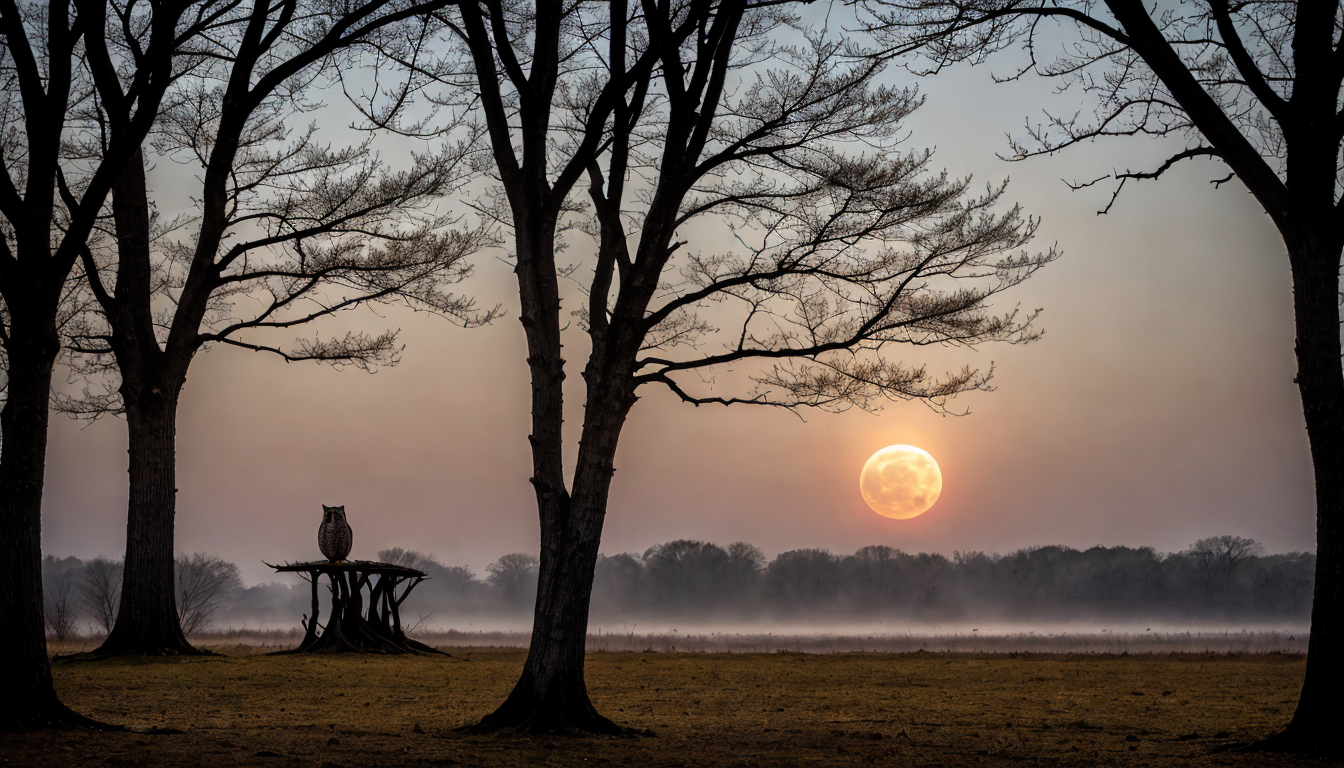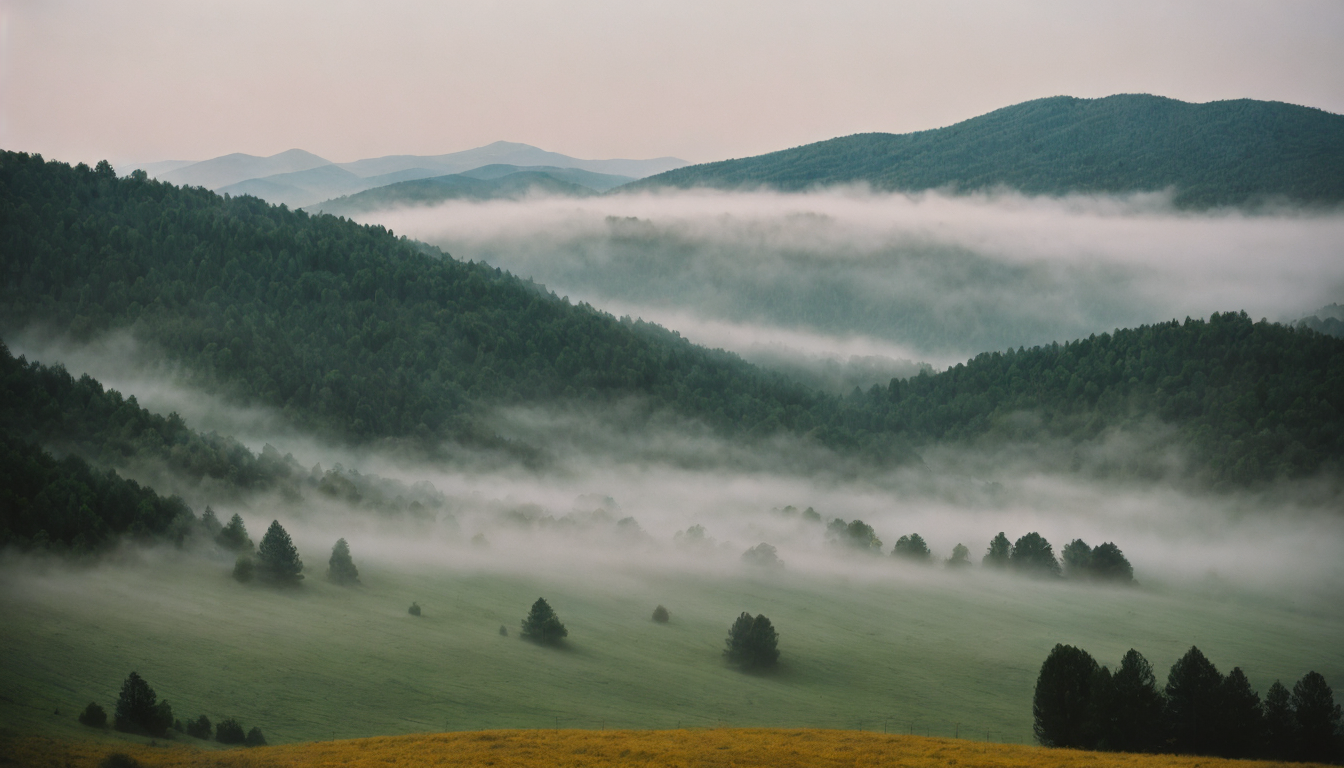
The Beast of Gevaudan was a real and terrifying killer that stalked the French countryside in the 1760s, leaving dozens dead and many more wounded. With reports spreading across the kingdom, King Louis XV even dispatched hunters to bring it down. But what was it, and was it really just one creature? We’ll sift through the grisly details and explore what boffins today believe about the beast’s true identity.
TL;DR
- The Beast of Gevaudan terrorized rural France in the 1760s, killing and maiming dozens.
- King Louis XV sent hunters to kill the creature, but attacks resumed after initial victories.
- Most experts believe that ordinary wolves were behind the attacks due to historical records.
- The legend persists, but most historians think one or a few unusually bold wolves were responsible.
The Beast of Gevaudan: Terror Strikes
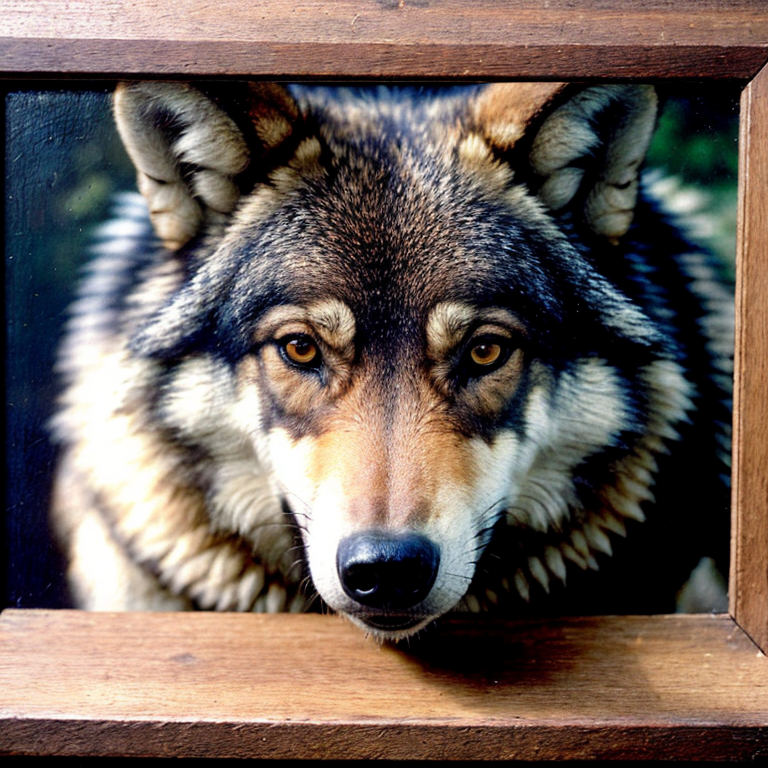
The attacks began in 1764, striking fear into the heart of rural France. Villagers reported a monstrous creature that killed and maimed dozens of people, mainly women and children who were working alone with livestock. Reports spread like wildfire through newspapers of the day, capturing the attention of King Louis XV.
In September 1765, François Antoine, the king's chief wolf hunter, was sent to Gevaudan along with soldiers and other hunters. He managed to kill a large wolf, which he presented at Versailles. The beast’s remains were displayed for all to see, but this victory proved short-lived. Attacks resumed shortly after.
By June 1767, the legend of the Beast had become an obsession across France. That month, local hunter Jean Chastel shot another large animal, ending the wave of terror. Legend has it that he used silver bullets blessed by a priest to slay the beast, though this remains unverified.
The attacks began and ended abruptly, leaving many questions unanswered about what exactly the Beast was and why it targeted humans so viciously.
The Beast's Reign of Terror
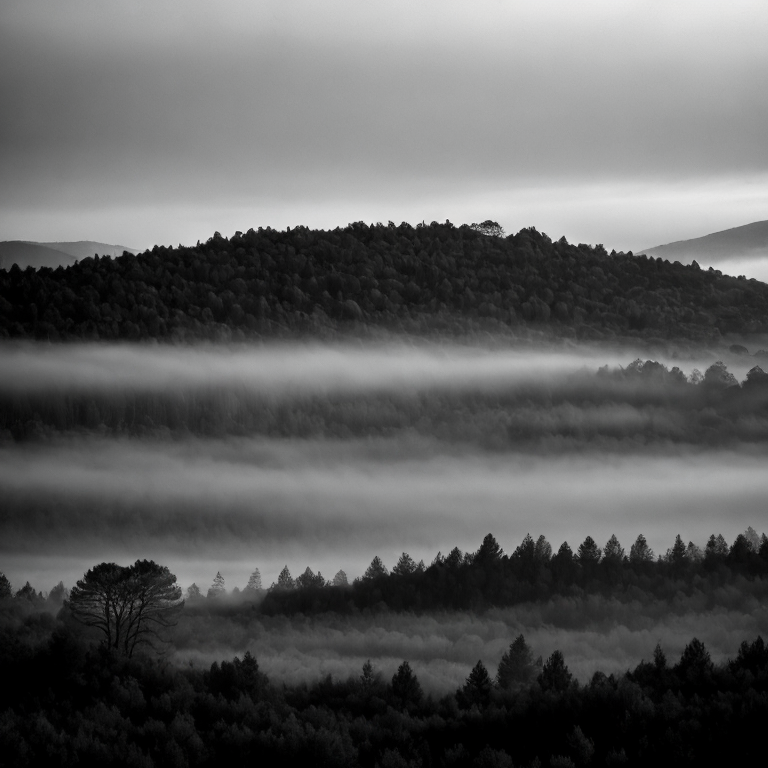
Between 1764 and 1767, a series of deadly attacks in the Gevaudan region sent shockwaves through France. Eyewitnesses described seeing a beast unlike anything they had ever encountered, larger than a wolf with a reddish coat and a long thin body marked by a dark stripe down its back. The creature was reported to have attacked both humans and animals alike, leaving behind a trail of fear and devastation.
The attacks continued unabated, prompting King Louis XV to take action. He dispatched a large number of local men to hunt down the elusive creature, organising massive hunts across the region. Despite these efforts, the beast remained at large and continued its reign of terror over the countryside for months on end.
These reported encounters left an indelible mark on the people of Gevaudan, turning what was once a peaceful rural landscape into a place of dread and uncertainty. The attacks would go down in history as one of the most notorious cases of wildlife-related violence in France’s past.
Was the Beast Just a Wolf in Sheep's Clothing?
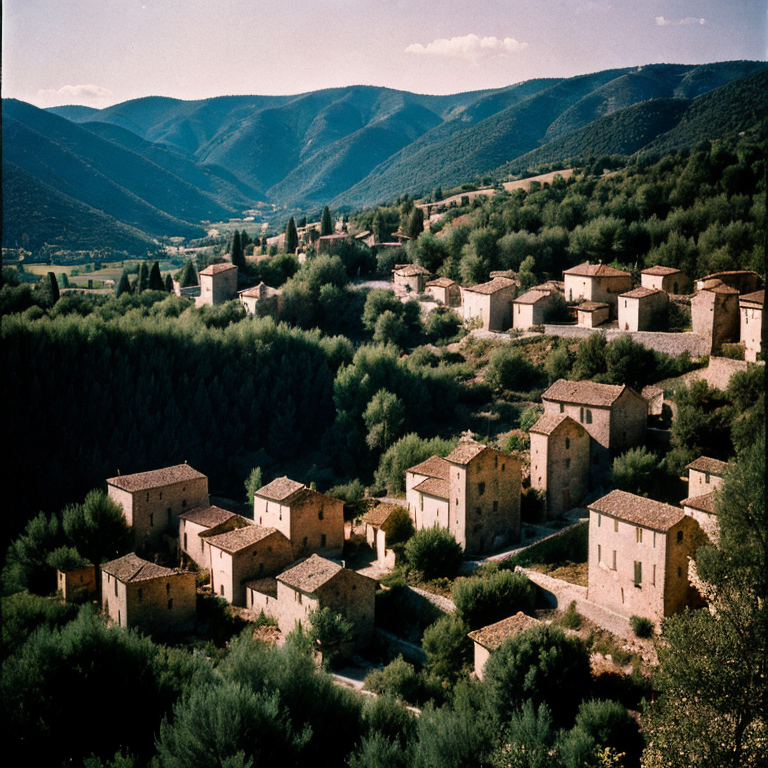
The legend of the Beast of Gevaudan has captured imaginations for centuries, painting a picture of a monstrous creature terrorizing rural France in the 1760s. However, when we strip away the folklore and dive into historical records, the story becomes decidedly less fantastical.
Researchers and historians have poured over countless documents from the era, and while there's no smoking gun to definitively pin down what lurked in the forests of Gevaudan, most agree that wolves were likely the culprits. Wolves were far more prevalent back then than they are today, and it’s not unheard of for them to attack humans when food is scarce.
The impoverished region of Gevaudan made its people particularly vulnerable. Many victims were children left alone to tend livestock in remote areas, easy targets for any predator bold enough to cross paths with them. This setting created the perfect storm for panic to spread as attacks occurred over a period of several years.
But wait - weren’t there other theories too? Indeed, some folks still cling to tales of a trained animal or even a hyena gone rogue. And then there's the enduring legend of a human killer masquerading as something supernatural. While these ideas make for great stories, none have ever been backed by solid evidence.
As for that silver bullet myth, it's a delightful embellishment that grew with each retelling but lacks any documented proof in the historical record. So while the Beast remains an enduring mystery wrapped in folklore and fear, most experts see it as a case of wolves exploiting human vulnerability rather than a mystical monster on the loose.
Could Wolves Really Be That Fierce?

Back in 1760s France, wolves were far more common than they are today. Historians have noted several periods of wolf attacks in France back then, painting a picture where these animals weren’t just shy forest dwellers but bold, hungry hunters.
So, could a lone wolf really terrorize Gevaudan for years? Turns out, the idea isn't as far-fetched as it seems. Wolves are adaptable and can thrive near human settlements, especially when natural prey becomes scarce. In an era with fewer wild deer and boar, wolves would have turned to easier pickings: livestock, and sometimes even people.
A wolf can also be considerably bigger and bolder than the stereotype suggests, especially a hungry one near people.
So while it sounds like a monster straight out of your nightmares, the Beast of Gevaudan could very well have been one or a few unusually bold wolves.
Researchers still debate whether it was a wolf or something else entirely. But one thing’s for sure: those wolves in Gevaudan weren’t playing around.
The Verdict: Real killings, probably wolves (3/10)
When you peel back the layers of mystery surrounding the Beast of Gevaudan, it becomes clear that most historians see this as an all-too-human tale dressed up with fur and fangs. The beast's legendary status fades into the shadowy realm of folktales and local lore when compared to cold, hard evidence. Wolves were likely the culprits, perhaps a handful of unusually bold individuals who found easy pickings in an isolated region where children tended animals alone.
So our rating is 3/10: the killings were real and the toll was tragic, but the culprit was most probably ordinary wolves rather than a mythical monster.
A note from the Cryptid Desk: we play the legend for laughs but the dates and facts are straight. Our plausibility rating is opinion, not science.
As an Amazon Associate, The Weird Report earns from qualifying purchases. Product links above are suggestions related to this article; they don't affect what we write.