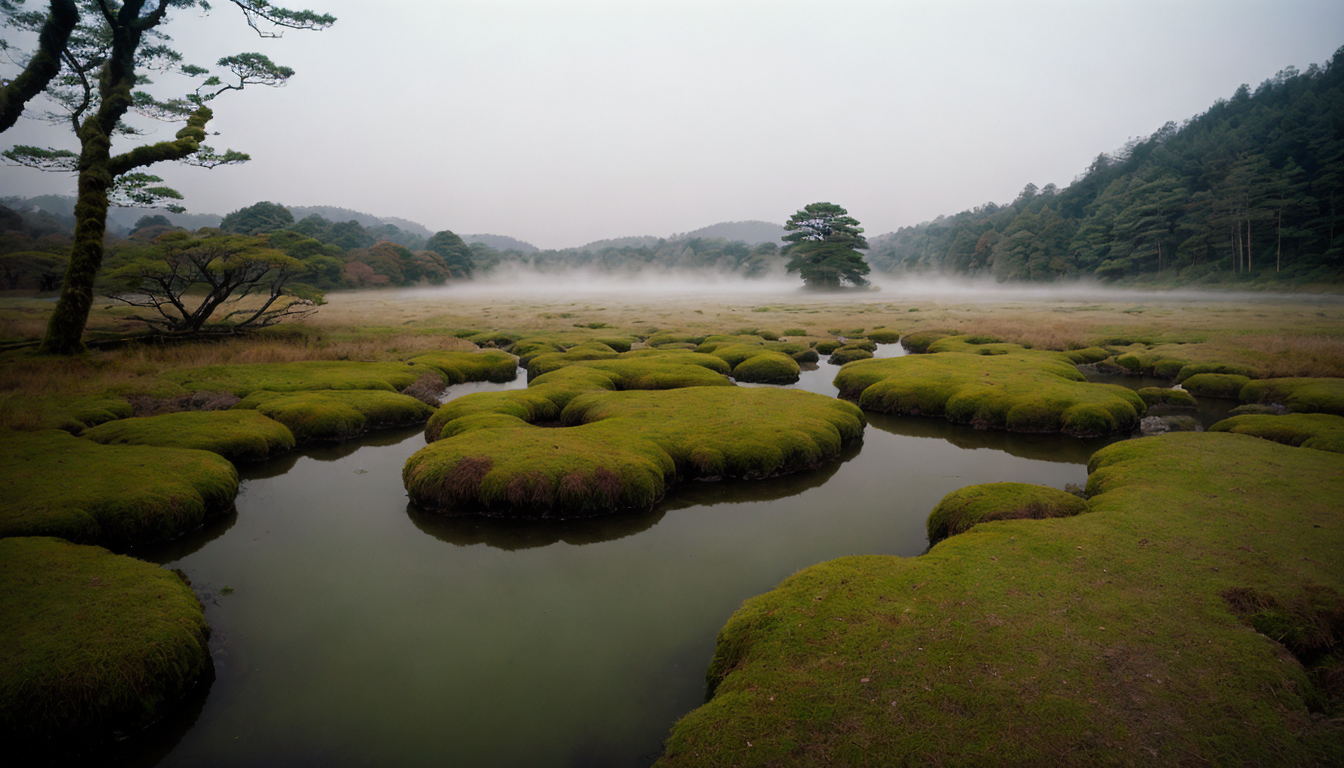
The kappa is one of Japan’s best-loved river creatures, and boy, does it love cucumbers! It is part of living Japanese folklore, so we’ll be affectionate rather than mocking. The stories say a kappa is about the size of a child, with a water-filled dish on its head, and that a polite bow can leave it weak. Dive in to find out where the legend comes from, why there are kappa warning signs beside some Japanese rivers, and which real animals may have inspired it.
TL;DR
- A kappa is a river-dwelling creature from Japanese folklore, usually shown with green or blue skin, a turtle-like shell, a beak and a water-filled dish on its head.
- According to the tales, a kappa loves cucumbers and sumo wrestling, and if it bows back to you, the water in its head dish spills and it loses its strength.
- Kappa tales appear in the 1910 folklore collection Tono Monogatari and in a 1927 satirical novel simply called Kappa.
- Many historians think the legends began as warnings to keep children away from dangerous rivers.
Meet the Cucumber Lover
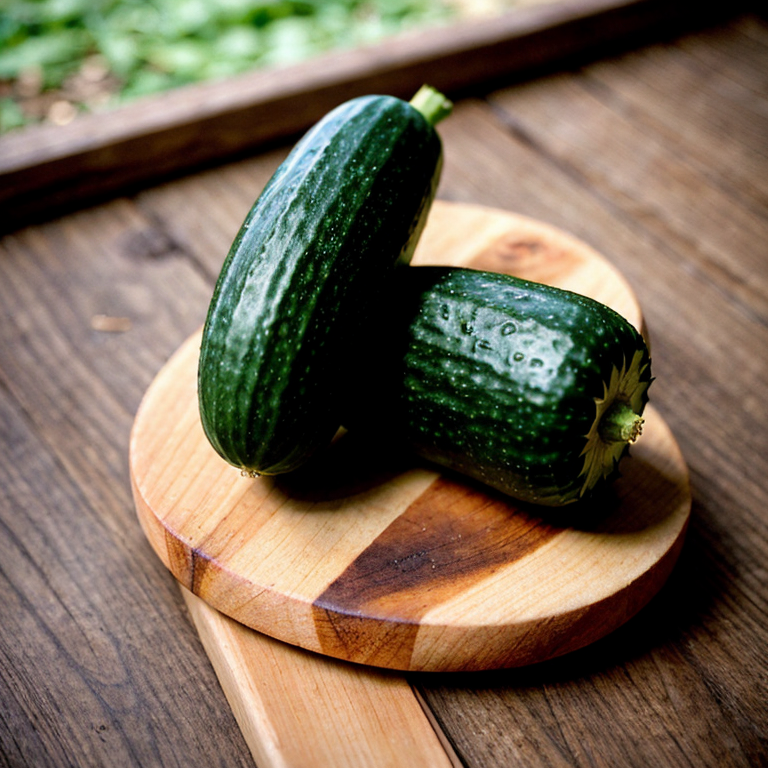
A kappa is usually shown as about the size of a child, with green or blue skin, a turtle-like shell, a beak, and a water-filled dish on its head. Tales say it loves cucumbers and sumo wrestling, and that it can be tricked by a polite bow: if it bows back, the water in its head dish spills and it loses its strength.
Kappa stories feature in Kunio Yanagita’s 1910 collection Tono Monogatari, and in Ryunosuke Akutagawa’s 1927 satirical novel Kappa. The Japanese cucumber sushi roll is even called kappa-maki after the creature, so next time you eat one, raise your chopsticks as a friendly salute.
Kappa on the Streets of Tokyo
Warning signs showing a kappa stand beside some rivers and ponds in Japan, urging children to stay away from the water.
In Tokyo, Kappabashi, the famous kitchenware street, shares its name with the creature, though the name more probably comes from raincoat sellers or a local merchant, since “kappa” is also a word for a raincoat. One legend says kappa helped build the nearby drainage channel, and the creature is now the street’s mascot, with kappa statues.
Warnings, Not Monsters
Many historians think kappa legends began as warnings to keep children away from dangerous rivers, which would explain the signs that still stand beside some Japanese rivers and ponds today. Seen that way, the kappa is less a monster and more a very memorable safety notice.
Which Real Animals May Have Inspired the Kappa?

Some suggest real animals inspired the legend, such as otters, soft-shelled turtles and the giant salamander. The Japanese giant salamander can grow up to about 1.5 metres (5 feet) long and is a protected species. Soft-shelled turtles have leathery shells and long necks, and live in Japanese rivers. None of these animals is known to carry a water dish on its head or to enjoy cucumbers, which is what makes the kappa truly legendary.
The Verdict: Pure folklore (1/10)
The kappa, with its love of cucumbers and its water-filled dish, has captured imaginations for centuries. There is no documented evidence of a kappa beyond folklore and art, which earns it 1/10: Pure folklore. But as a way to teach children to respect rivers, it has done its job well. If you ever do meet one, remember the old advice: bow politely, and see whether it bows back.
The Cryptid Desk files these stories with a wink. The documented history is real, the rating is a judgement call, and nothing here counts as proof of anything.
As an Amazon Associate, The Weird Report earns from qualifying purchases. Product links above are suggestions related to this article; they don't affect what we write.