
Why Halos Appear Around Lights: Optical Illusion Explained
TL;DR
- Light Scattering: The phenomenon of seeing halos around lights is caused by light scattering in the eye's lens and cornea.
- Medical Conditions: Certain medical conditions can cause people to see halos, including cataracts, glaucoma, and corneal opacities.
- Environmental Factors: Environmental factors such as pollution or fog can contribute to seeing halos around lights.
- Age and Health: Halos are more common in older individuals due to age-related changes in the eye.
- Light Intensity: Bright light sources like headlights at night often cause people to see halos.
What Are Light Halos?
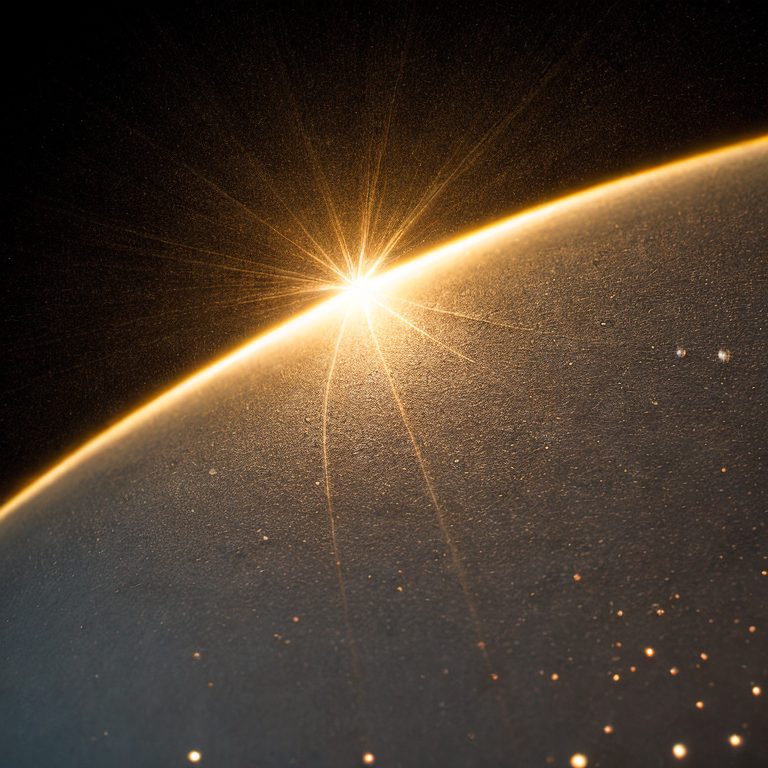
Halos, also known as optical rings or glimmers around lights, are a visual phenomenon where one perceives a ring of light surrounding a bright source. This effect can occur with artificial lighting such as street lamps and headlights, as well as natural sources like the moon and stars. The appearance of halos is often associated with specific conditions in the eye or external environmental factors.
Science Behind Light Halos

Optical Principles
The phenomenon of seeing halos around lights is primarily an optical illusion caused by light scattering within the human eye. When light enters the eye, it passes through several structures: the cornea (the clear outer layer), the aqueous humor (a fluid in front of the lens), and the crystalline lens itself. Each of these components can refract or scatter light differently.
Light scatters when it encounters particles within the optical media of the eye. This scattering effect is more pronounced for certain wavelengths, typically those on the blue end of the visible spectrum due to their shorter wavelengths. As a result, halos tend to appear as faint rings of light that may be colored, often with a bluish tint.
Refraction and Diffraction
Refraction occurs when light passes from one medium into another (e.g., air to water or air to glass). The angle at which light bends depends on the refractive index of each medium. In the eye, refraction is crucial for focusing light onto the retina.
Diffraction is a phenomenon where light waves bend around corners and spread out when passing through narrow openings. This bending can create patterns that contribute to the perception of halos around bright objects. When light passes through small irregularities in the cornea or lens, these diffraction effects become noticeable.
Anatomy of the Eye
Understanding the anatomy of the eye helps explain why halos occur. The cornea and lens both play critical roles:
- Cornea: The cornea is a clear dome-shaped structure at the front of the eye that refracts incoming light.
- Lens: Behind the cornea, the lens adjusts its shape to focus light onto the retina.
Both structures can become cloudy or irregular due to age-related changes, medical conditions, or environmental factors. These changes cause light to scatter more than usual, leading to halos around lights.
Causes of Light Halos
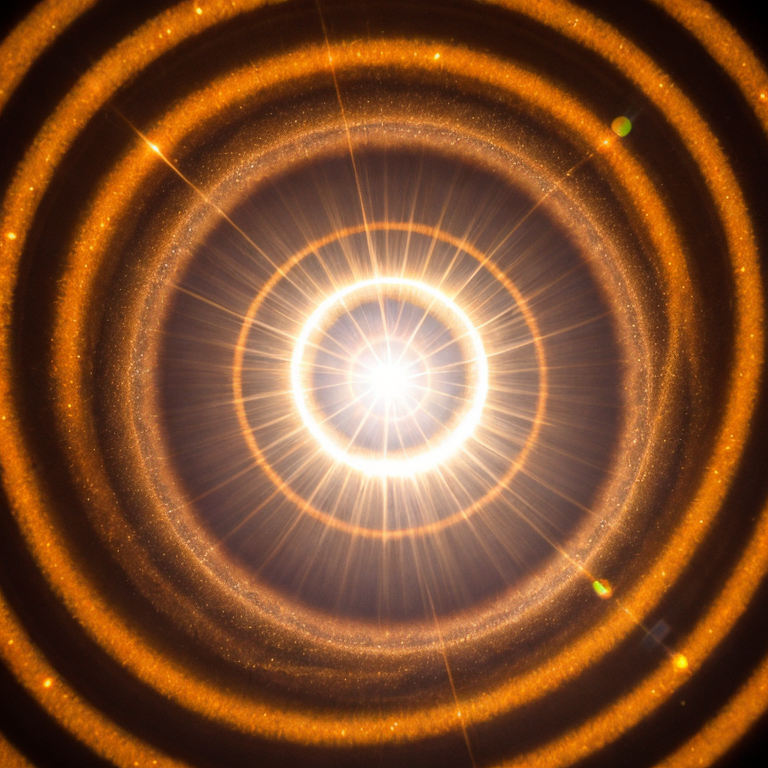
Medical Conditions
Certain eye diseases and health issues can lead to the perception of halos:
- Cataracts: Cataracts are cloudy areas in the lens that develop with age or due to other factors like diabetes. They scatter light as it passes through, causing halos.
- Glaucoma: Glaucoma is a group of eye diseases characterized by damage to the optic nerve often caused by increased pressure within the eye. This condition can affect how light travels in the eye and lead to halos.
- Corneal Opacities: Any opacity or cloudiness on the cornea can cause light scattering, resulting in visible halos.
Environmental Factors
External conditions also contribute to seeing halos:
- Pollution: Particles in polluted air can scatter light as it enters the eye, leading to perceived halos.
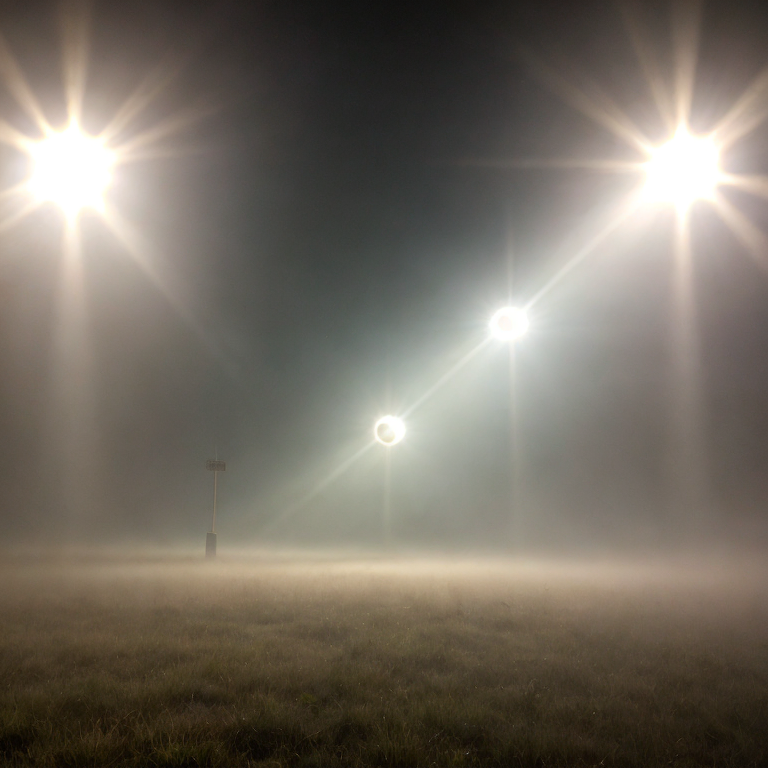
- Fog and Haze: Similar to pollution, fog and haze contain tiny water droplets or ice crystals that cause light scattering.
Common Scenarios
Halos are often observed during specific times:
- Nighttime Driving: Halos around headlights and street lights are common due to the contrast between dark environments and bright sources.
- Moonlight and Stars: During clear nights, halos around the moon and stars can be seen because of atmospheric conditions like moisture or dust.
History and Etymology
Historical Context
The phenomenon of seeing halos has been observed for centuries. Ancient cultures often attributed such sightings to supernatural causes, with religious or mythological explanations being common. For example, in Christian tradition, a halo was depicted around the heads of saints and divine beings as a symbol of holiness.
Modern Understanding
In modern times, scientists have studied light halos more rigorously. The field of optics has provided detailed explanations for how and why these phenomena occur. As medical knowledge advanced, researchers linked specific eye conditions to the appearance of halos, leading to better diagnosis and treatment options.
Cultural Significance
Religious and Mythological Interpretations
Throughout history, halos have had significant cultural meanings:
- Religion: In many religious traditions, a halo symbolizes divine presence or holiness.
- Mythology: Ancient myths often included figures with glowing rings around their heads as a sign of power or enlightenment.
Artistic Representations
Artists frequently depict halos to convey spiritual or supernatural themes. Paintings and sculptures from various cultures show religious figures surrounded by radiant circles, enhancing the sense of divinity or sacredness.
Misconceptions About Light Halos
Common Myths Debunked
Several misconceptions surround light halos:
- Supernatural Origin: Some believe that seeing halos is a supernatural sign. However, scientific explanations provide more plausible and natural causes.
- Permanent Condition: While some medical conditions may cause persistent halos, many cases are temporary or treatable.
Scientific Clarification
Understanding the science behind light halos helps dispel myths:
- Light Scattering: Halos result from how light interacts with various components of the eye. This interaction can vary based on health and environmental factors.
- Temporary vs. Permanent Effects: Certain conditions like cataracts may cause long-term issues, but temporary exposure to bright lights or smog can also lead to brief instances of halos.
Conclusion
Seeing halos around lights is a fascinating optical phenomenon rooted in the complex interactions between light and human vision. While historical interpretations often linked these sightings to supernatural causes, modern science offers clear explanations grounded in optics and eye health. Recognizing the causes behind light halos can help individuals understand when they might need medical attention for underlying conditions affecting their eyesight.
As an Amazon Associate, The Weird Report earns from qualifying purchases. Product links above are suggestions related to this article; they don't affect what we write.