Why Do Optical Illusions Turn Gray Into Blue?
Optical illusions are fascinating phenomena that challenge our understanding of how the human brain processes visual information. One intriguing aspect is the perception of color in certain illusions where some individuals see blue instead of gray. This article delves into the scientific explanations behind this phenomenon, exploring the intricacies of brain perception and visual tricks.
TL;DR
- Some optical illusions can trick the brain into perceiving colors differently than they actually are.
- The perception of seeing blue instead of gray in certain illusions is influenced by neurological processes and individual differences.
- Color constancy and context effects play significant roles in how we perceive colors within these illusions.
- Individual variations in color sensitivity and neural pathways contribute to different perceptions of the same illusion.
How Optical Illusions Work
Optical illusions exploit the way our visual system interprets information. The brain uses shortcuts based on past experiences, expectations, and patterns to make sense of complex visual scenes efficiently. These cognitive processes can sometimes lead to misinterpretations or errors in perception.
Key Components of Optical Illusions
- Context Effects: How surrounding elements influence color perception.
- Perceptual Set: Preconceived notions affecting interpretation.
- Color Constancy: Maintaining perceived colors despite changes in lighting conditions.
The Science Behind Gray and Blue Perception
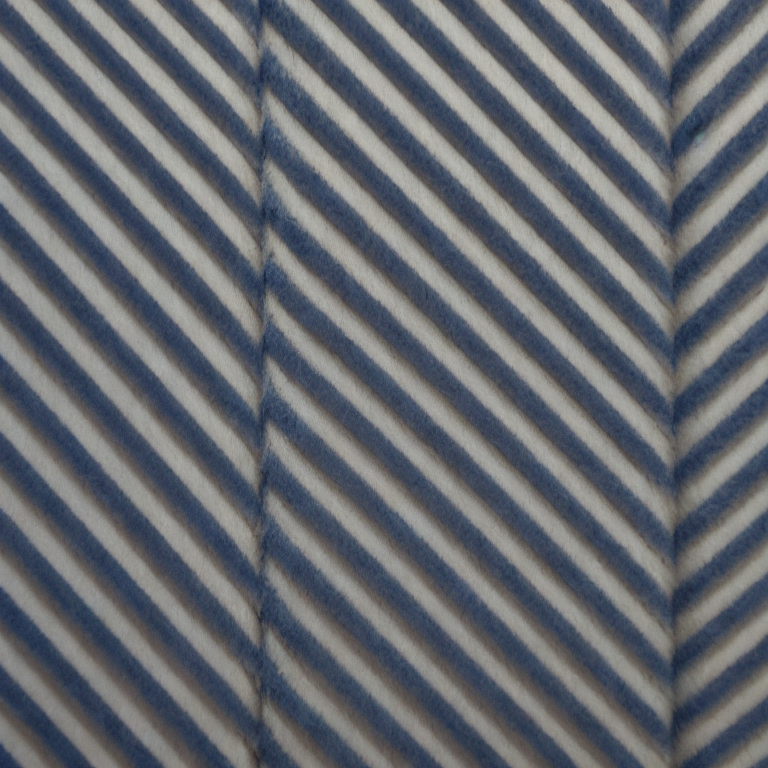
The perception of seeing blue instead of gray in optical illusions is rooted in the way our brain processes visual information. This phenomenon highlights the complexity and variability of human color perception.
Neurological Processes
When light enters the eye, it stimulates photoreceptors called cones, which are responsible for detecting colors. The signals from these receptors travel through various layers of neurons to reach the primary visual cortex and other areas involved in higher-level processing.
Color Perception Pathways
- Retinal Processing: Initial detection of wavelengths by cone cells.
- Lateral Geniculate Nucleus (LGN): Intermediate relay station for visual information.
- Primary Visual Cortex (V1): First cortical area to process visual input.
- Higher Cortical Areas: Interpretation and integration of color information.
Role of Context Effects
Context effects refer to how the surrounding colors and patterns influence our perception of a particular element in an image. In illusions where gray is perceived as blue, context plays a crucial role by affecting the way neighboring elements are interpreted.
Examples of Context Effects
- Simultaneous Contrast: Perceived color changes due to adjacent colors.
- Color Aftereffect: Prolonged exposure to one color alters perception of subsequent colors.
- Metamerism: Different light sources producing similar perceptions of a color.
Individual Variations in Perception
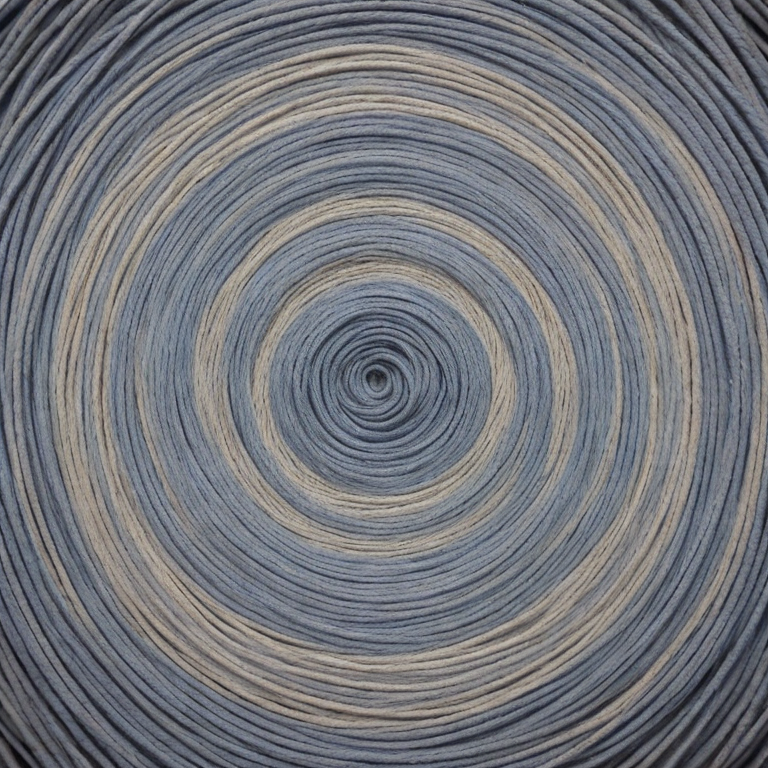
The perception of seeing blue instead of gray can vary widely among individuals, influenced by factors such as age, health conditions, and individual differences in neural pathways.
Age and Color Perception
As people age, the density and function of cone cells decline, potentially altering how colors are perceived. Additionally, changes in lens clarity can affect color perception, leading to variations in visual experiences across different age groups.
Health Conditions
Certain medical conditions like cataracts or macular degeneration can impact color vision, making it difficult for individuals with these conditions to perceive certain colors accurately.
Neural Pathways and Individual Differences
Neural pathways involved in processing visual information are not identical among all people. Variations in the structure and function of these pathways can lead to differences in how individuals perceive optical illusions.
Genetic Factors
Genetics play a role in determining individual variations in color perception, with some genetic conditions affecting the sensitivity or distribution of cone cells.
Common Optical Illusions Explained
Several well-known optical illusions demonstrate the phenomenon of seeing blue instead of gray. Understanding these examples can provide insights into how visual tricks work and why they elicit different perceptions among viewers.
Examples of Gray to Blue Illusions
- Checker Shadow Illusion: A classic example where squares of identical color are perceived differently due to context effects.
- Adelson's Checkerboard: Demonstrates how shading influences perception, making adjacent gray squares appear blue.
- White and Yellow Circles: An illusion that shows how the brain interprets colors based on surrounding elements.
Sensation vs. Perception
To fully understand optical illusions, it is crucial to distinguish between sensation and perception. Sensation refers to the detection of sensory stimuli by receptors, while perception involves interpreting these sensations in a meaningful way.
Key Differences
- Sensation: Raw input from sensory organs.
- Perception: Interpretation and understanding based on past experiences and context.
Blue and Gray Color Psychology
Understanding color psychology can provide additional insights into why certain optical illusions evoke specific perceptions. The cultural and emotional associations we have with colors influence how we interpret visual information.
Cultural Associations
Different cultures may associate blue and gray with varying emotions and meanings, affecting perception in a subconscious way.
Emotional Impact
- Blue: Often associated with calmness and tranquility.
- Gray: Can be perceived as neutral or dull depending on context.
Conclusion
The phenomenon of seeing blue instead of gray in optical illusions highlights the complexity of human visual perception. Factors such as neurological processes, individual variations, and cultural influences all contribute to how we interpret these visual tricks. By understanding the science behind color perception and the role of context effects, we gain a deeper appreciation for the intricacies of our visual system and its ability to be deceived by illusions.