Why Octopuses Have Blue Blood - A Fascinating Oddity
TL;DR
- Octopus blood is blue due to the presence of hemocyanin.
- Hemocyanin transports oxygen in octopus blood more efficiently at low temperatures and high pressures than hemoglobin.
- The copper atoms within hemocyanin give octopus blood its characteristic blue color.
- Octopuses have three hearts, which contribute to their unique circulatory system and the distribution of blue blood throughout their bodies.
Understanding Hemocyanin
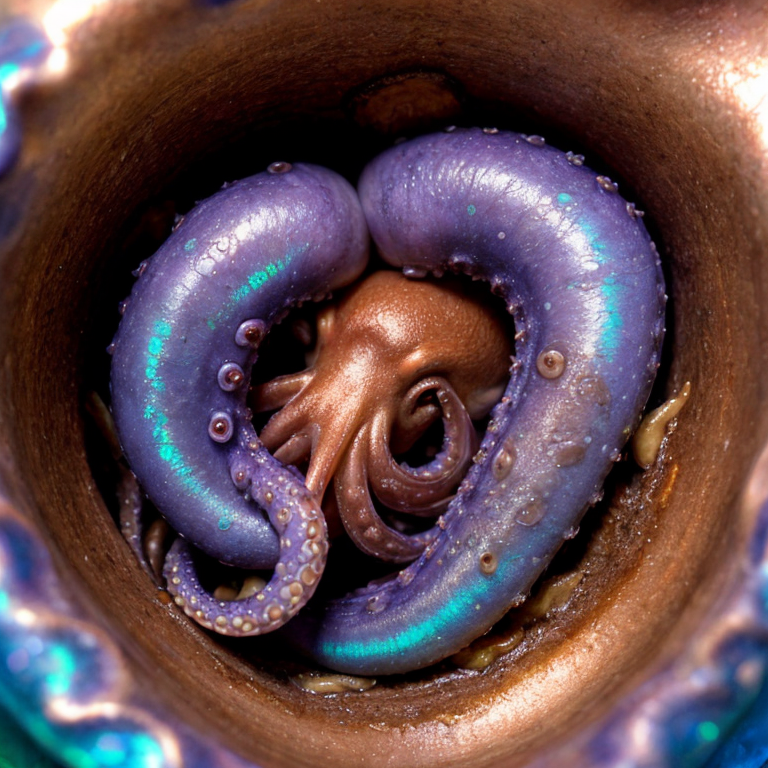
Octopuses are marine creatures with a strikingly different circulatory system compared to most vertebrates. Their blood is renowned for its vivid blue hue, which sets them apart from other animals whose blood appears red due to hemoglobin. The primary reason behind the blue coloration of octopus blood lies in their unique respiratory protein called hemocyanin.
Composition and Function
Hemocyanin is a copper-containing protein that serves as an oxygen carrier in the blood of cephalopods like octopuses, squids, and cuttlefish. In contrast to hemoglobin found in vertebrates, which contains iron atoms bound to heme groups, hemocyanin utilizes two copper ions per subunit for oxygen binding.
Oxygen Transport
The presence of hemocyanin allows octopus blood to transport oxygen more efficiently under the cold and high-pressure conditions typical of their deep-sea habitats. Hemoglobin, which is less efficient in these environments due to its lower affinity for oxygen at low temperatures, cannot compete with the superior performance of hemocyanin.
Copper and Blue Coloration
The copper atoms within hemocyanin are responsible for the blue color of octopus blood. When dissolved in water, hemocyanin forms a solution that is visibly blue due to the absorption and reflection of light by its molecular structure. This distinctive coloring sets octopuses apart from many other marine animals.
Historical Context
The discovery of hemocyanin as the primary respiratory pigment in cephalopods has been an important milestone in marine biology. Early observations noted the unusual coloration of their blood, leading to extensive research into the underlying mechanisms that govern oxygen transport and respiration in these creatures.
Scientific Discovery
In the early 20th century, scientists began investigating why octopus blood was blue instead of red like most terrestrial animals. The breakthrough came when researchers isolated hemocyanin from cephalopod species, revealing its unique properties compared to hemoglobin found in vertebrates.
Evolutionary Perspective
Understanding the evolutionary advantages provided by hemocyanin has shed light on how octopuses adapted to their aquatic environments over millions of years. Hemocyanin's superior oxygen-binding capacity at low temperatures and high pressures is crucial for survival in deep ocean habitats where other respiratory pigments would be less effective.
Etymology and Cultural Significance
The term "hemocyanin" itself provides insight into the chemical nature of this protein. Derived from Greek roots, haima (blood) and kyanos (blue), it aptly describes both the function and appearance of the molecule in cephalopod blood.
Cultural Representations
Despite its scientific significance, octopus blue blood has also found its way into various cultural narratives and artistic depictions. Literature, film, and visual arts often highlight this unique characteristic as a symbol of otherworldliness or mystery associated with deep-sea creatures.
Misconceptions About Octopus Blood
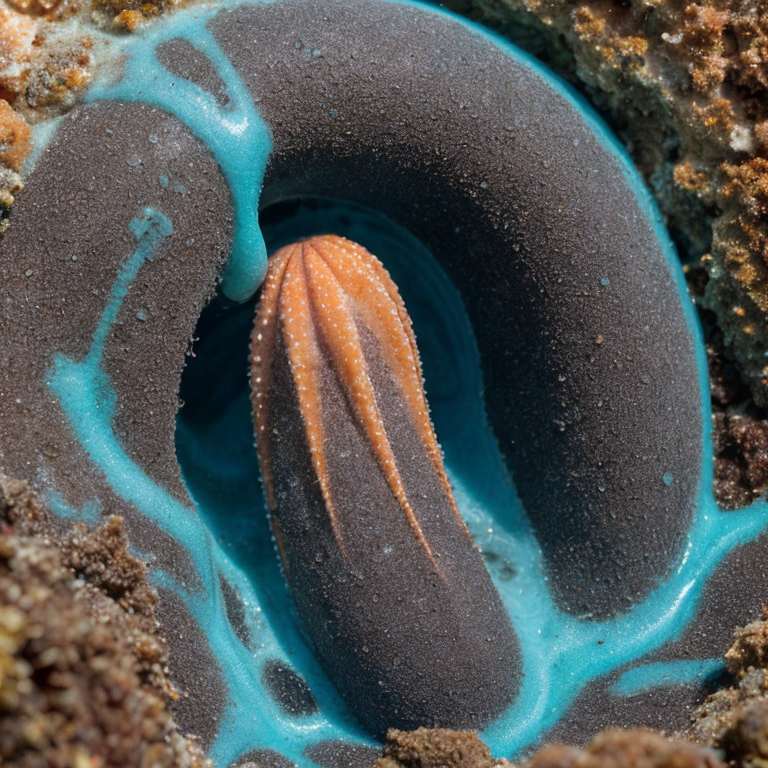
While the blue coloration of octopus blood is well-established in scientific literature, several misconceptions persist regarding its nature and implications.
Myth: Blue Blood Indicates Illness
One common misconception is that an octopus's blue blood signifies illness or distress. In reality, the bluish hue is a natural characteristic stemming from the presence of hemocyanin rather than any pathological condition.
Fact: Hemocyanin vs Hemoglobin Efficiency
Another frequent misunderstanding revolves around the relative efficiency of hemocyanin compared to hemoglobin in oxygen transport. While both proteins are effective within their respective environments, hemocyanin outperforms hemoglobin at low temperatures and high pressures typical of deep ocean conditions where octopuses thrive.
Historical Beliefs
Historically, some cultures associated blue blood with supernatural or divine origins due to its striking coloration. However, modern scientific understanding demystifies these beliefs by explaining the biological mechanisms behind this phenomenon.
Unique Features of Octopus Physiology
The distinctive blue blood of octopuses is just one aspect of their remarkable physiology. Octopuses possess several additional features that contribute to their adaptability and survival in challenging marine environments.
Three Hearts
One notable feature is their three hearts, which are crucial for maintaining efficient circulation throughout the body. Two branchial hearts pump blood through the gills, ensuring adequate oxygenation, while a systemic heart circulates oxygenated blood to other parts of the body.
Advanced Nervous System
In addition to their unique circulatory system, octopuses boast an advanced nervous system with large brains and complex eyesight. These attributes, combined with their blue blood, underscore the evolutionary adaptations that have made them highly successful marine predators.
Conclusion: A Window into Marine Life
The blue blood of octopuses is a testament to the diverse range of biological solutions employed by different species in response to environmental challenges. Hemocyanin's role as an efficient oxygen carrier at low temperatures and high pressures highlights the adaptability of cephalopods, allowing them to thrive in deep ocean habitats where many other animals struggle.
Understanding why octopus blood is blue not only enriches our knowledge of marine biology but also underscores the intricate interplay between physiology and environment. This fascinating characteristic continues to inspire scientific inquiry and cultural fascination alike, offering a glimpse into the remarkable world of these intelligent and enigmatic creatures.