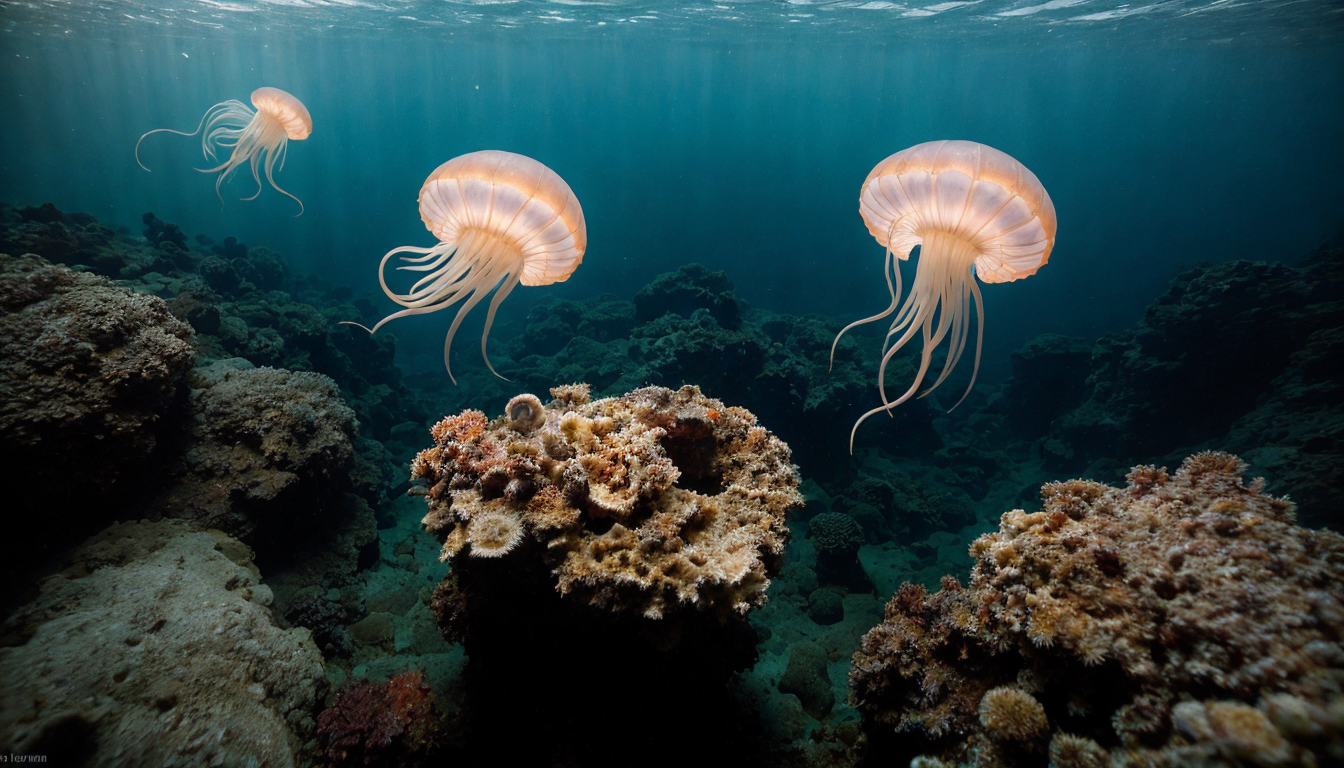
How Octopuses Use Color Changing to Outsmart Predators
Imagine a ghostly pale shape slithering along the ocean floor, its movements almost imperceptible as it blends seamlessly with the environment. Suddenly, the figure shifts and transforms into an array of vibrant patterns, flashing red and white in warning. This is not just a scene from a horror story; it’s the reality of octopus survival tactics.
TL;DR
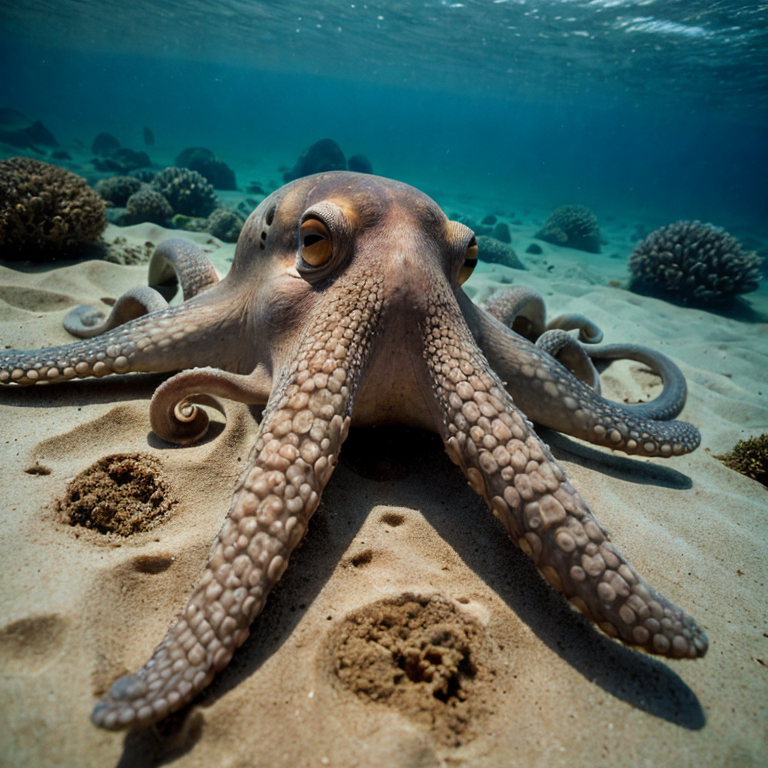
- Camouflage: Octopuses can change their color to blend with their surroundings.
- Intimidation: They use bold colors and patterns to scare off predators.
- Communication: Color changes also serve as a form of communication among octopuses.
- Protection: Changing color helps them avoid being spotted by both land-based and underwater threats.
The Chilling Hook
"They say the birds aren’t just watching for predators—they’re guarding something far darker."
Understanding Camouflage
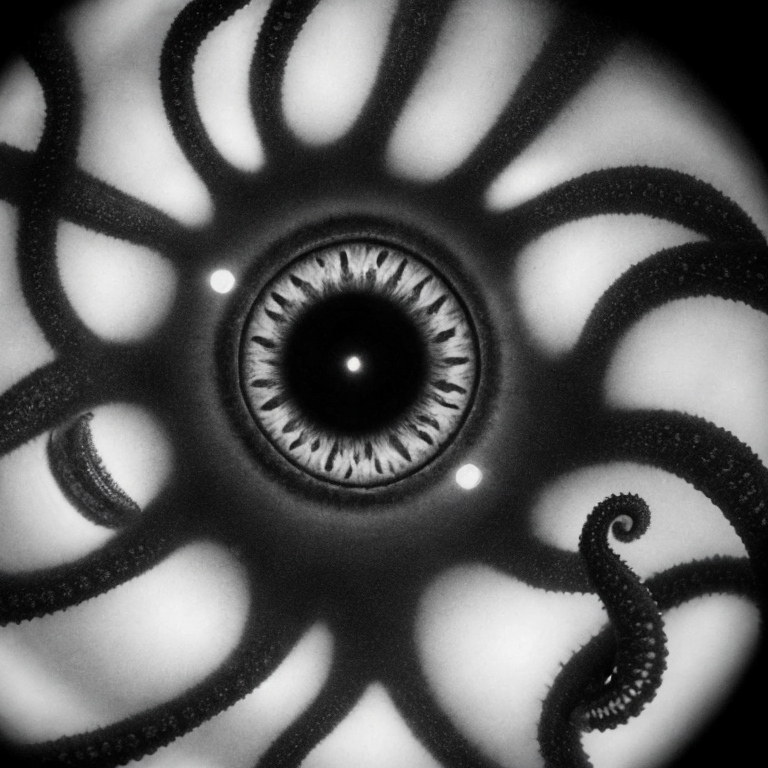
Octopuses are masters of disguise. They can change their skin tone within seconds, matching it to any substrate in their environment—from sandy floors to rocky crevices. Their ability to blend in is thanks to specialized cells called chromatophores that expand and contract, revealing or concealing pigments beneath the surface.
Reader Confession
"I once saw an octopus on a snorkeling trip, and it was so well-camouflaged I thought it was just a rock moving. It suddenly changed color right before my eyes—it was terrifyingly quick!"
Intimidation Through Color
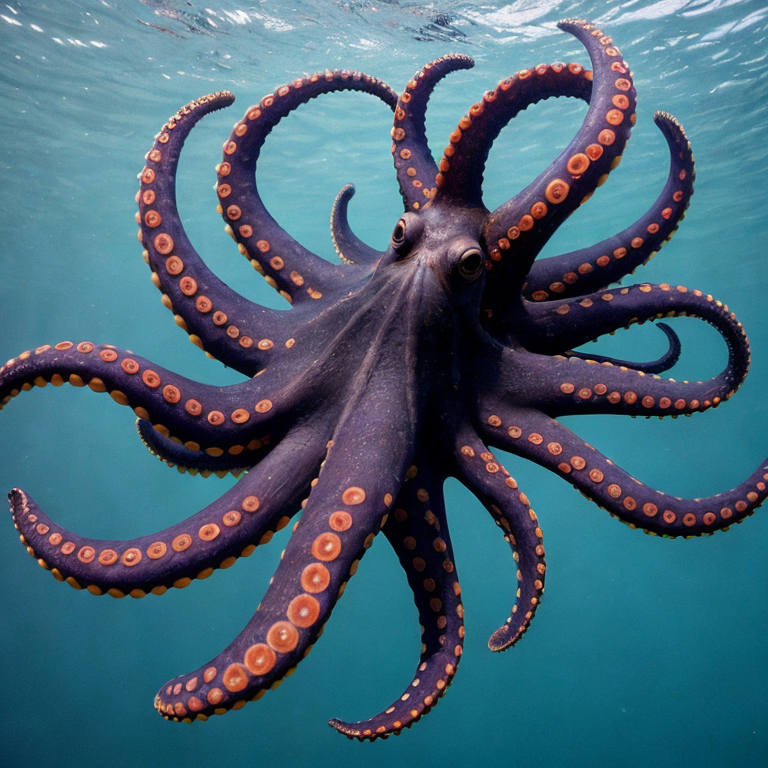
When faced with danger, many species of octopuses display bright colors to intimidate potential attackers. This strategy works because the sudden change in appearance can startle predators and give the octopus time to escape or defend itself.
Lore Breadcrumb
"There's a part of me that wonders if every time my catfish turns abruptly in its tank, it's reacting to something I can't perceive."
Communication Beyond Camouflage
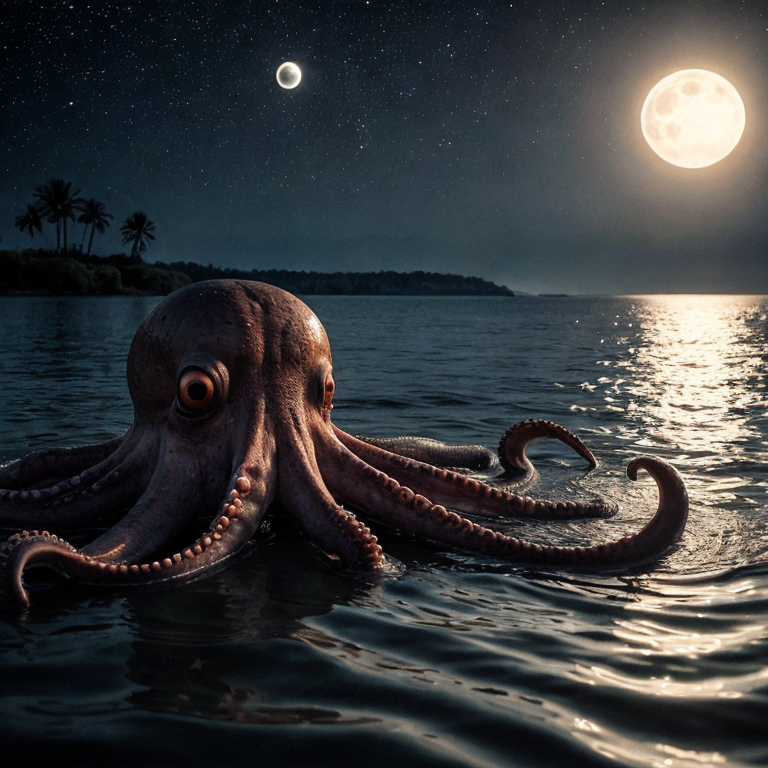
Beyond mere disguise, an octopus’s color change serves as a subtle yet effective way of communicating with other octopuses. Different patterns and colors can signal various intentions or emotions, from aggression to mating readiness.
Reader Confession
"When the sky turns from day to night, and the last light flickers green, it heralds the passage of souls, the thinning veil."
Protection in Motion
The ability to rapidly alter appearance provides multiple layers of protection. Not only does this help them avoid detection by natural predators like sharks and eels, but it also aids in evading human hunters who might otherwise spot their telltale silhouettes.
Lore Breadcrumb
"Every time there’s a storm, I notice my cat staring out the window at a peculiar spot in our backyard. It’s like she sees something we don’t."
The Mid-Article Cliffhanger
As you delve deeper into understanding why octopuses change color to ward off predators, one can't help but wonder: Is there more than meets the eye here? What if these creatures aren't just changing colors for survival—what if they are sending messages from another world?
The Ocean’s Mysteries Remain Unsolved
The ocean holds countless secrets yet untold. Each dive brings new discoveries and enigmas. Perhaps one day, we will uncover more about why octopuses change color and the deeper truths lurking beneath the waves.
Lore Breadcrumb
"There are times when I feel as though my shadow moves independently of me—especially around abandoned places."
Open-Ended Close
In a world where nature thrives on complexity and subtlety, the next mystery might be just beyond your grasp. Keep watching, listening—and questioning. After all, sometimes the most haunting tales come from the depths we least expect.
The Science Behind Dreaming
Why Do Some People See Flashes of Light When Bending Over?
The Physics of Floating
Every breath we take can be a message from another realm.


