How Do Sea Cucumbers Protect Themselves? The Gut Evisceration Strategy
Sea cucumbers, often overlooked in the vast oceanic landscape, possess one of nature's most extraordinary defensive mechanisms. These creatures can expel their internal organs to confuse predators and increase survival odds. This peculiar strategy, known as gut evisceration, is not only fascinating but also shrouded in a whisper-thin veil of something far more eerie.
Chilling Hook: They say the sea cucumbers aren't just protecting themselves—they’re trying to send a message from beneath the waves.
The Basics: How Sea Cucumbers Use Their Guts as Defense
Sea cucumbers, belonging to the phylum Echinodermata, are marine animals found in all oceans around the world. Unlike their spiky echinoderm cousins like sea urchins and starfish, sea cucumbers have a soft body that resembles a cucumber (hence the name). Despite this seemingly defenseless appearance, they boast an unusual survival tactic: gut evisceration.
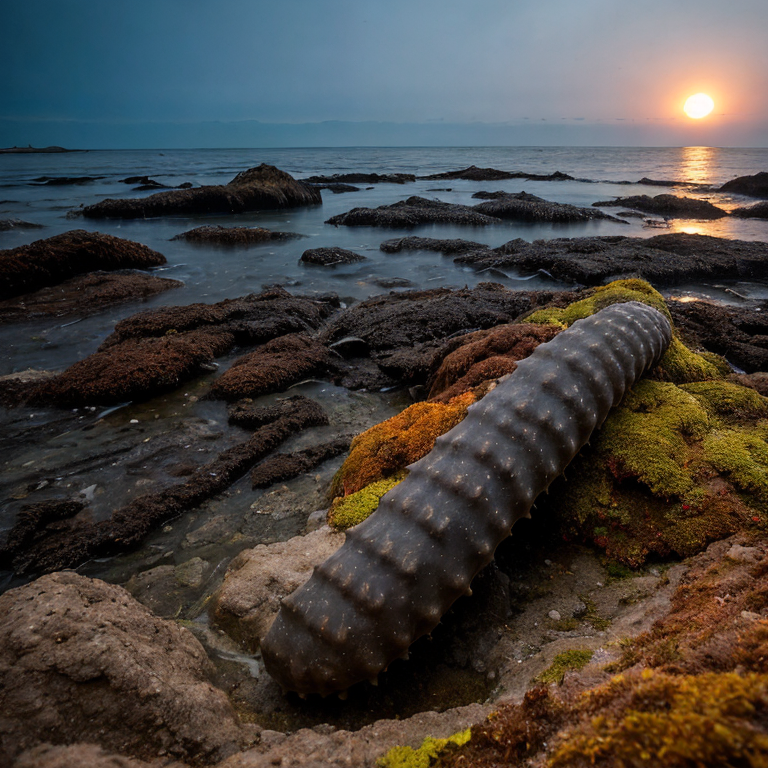
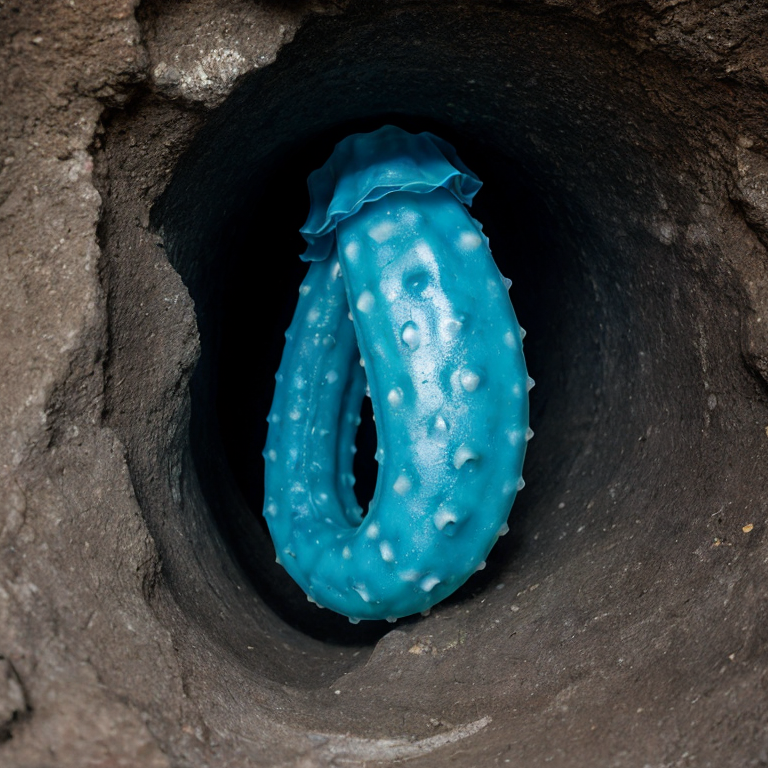
When threatened by predators such as crabs or fish, a sea cucumber will expel its intestines and other internal organs through small openings in its body wall. This process is both rapid and effective at distracting the predator while allowing the cucumber to escape harm. The expelled guts can even release toxins or produce sticky threads that ensnare potential attackers.
The Science Behind Sea Cucumber Defense
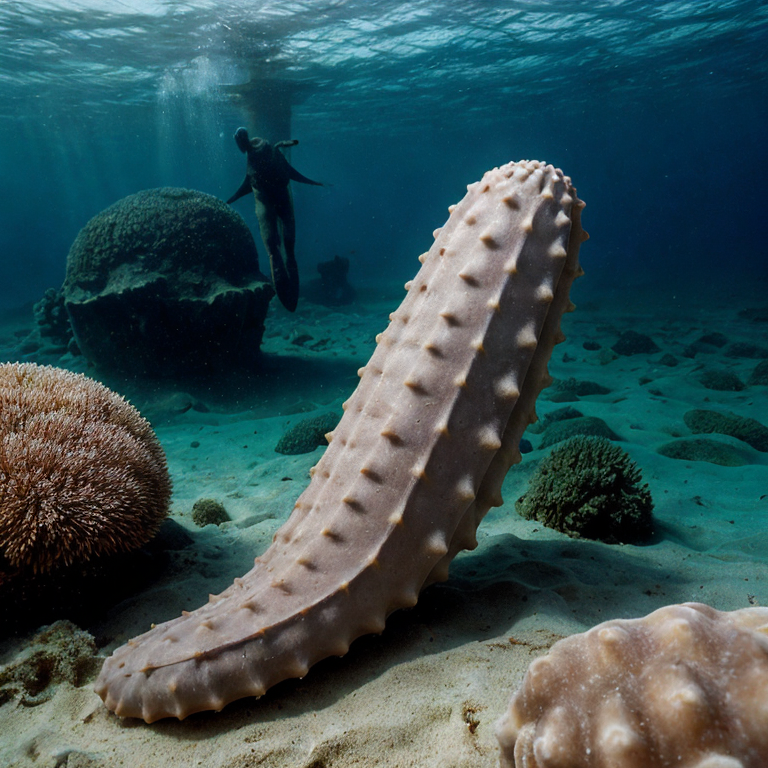
Sea cucumbers have a unique anatomy designed specifically for this defense mechanism. They possess an intricate network of small tubes called "Cuvierian tubules," which connect to the respiratory tree and the intestines. These tubules can rupture, releasing sticky threads that tangle up predators or deter them through sheer volume.
TL;DR:
- Sea cucumbers expel their guts as a defense mechanism.
- This process involves rupturing Cuvierian tubules filled with sticky threads.
- The expelled material can entangle predators and release toxins.
**
The Ashen Gospel speaks of certain creatures in the deep that "weep from within, crying tears of shadow and bone." Could it be hinting at something more sinister lurking beneath the waves?
Reader Confession:
"I remember snorkeling over a coral reef once, where the water was clear like glass. I saw a sea cucumber release its guts—it looked like it had turned inside out. For a moment, I thought I could see whispers in those expelled organs—things moving that shouldn't be there."
The Role of Sea Cucumbers in Marine Ecology
Sea cucumbers play a crucial role in maintaining marine ecosystems. They feed on organic matter and waste, acting like the vacuum cleaners of the ocean floor. By releasing their guts to defend themselves, they inadvertently help regulate their environment by keeping it free from excess nutrients.
TL;DR:
- Sea cucumbers clean up the seafloor.
- Gut evisceration helps keep predators at bay but can impact the marine ecosystem.
- Their role in ecological balance is vital for ocean health.
Reader Confession:
"There was this one time when I was scuba diving and spotted a sea cucumber that seemed to be glowing faintly. As if it were signaling to something out there—something dark and ancient."
**
Suddenly, you notice the water around you is growing increasingly murky. You see the ghost of an image—a shadowy outline of what seems like a massive creature lurking just beneath the surface. Is this your imagination playing tricks on you? Or could it be that there’s something more sinister watching from the depths?
The Ethical Implications and Conservation Efforts
As humans continue to exploit marine resources, sea cucumbers face increasing threats such as overfishing and habitat destruction. Understanding their defense mechanisms not only highlights the importance of conservation but also underscores the delicate balance of oceanic life.
TL;DR:
- Overfishing threatens sea cucumber populations.
- Conservation efforts are necessary for maintaining healthy ecosystems.
- Ethical considerations must be made when studying these creatures.
**
Hollow Pines is said to have a connection with the ocean, where strange sounds and silhouettes can be heard echoing from beneath the waves. Some whisper that the forest itself listens—eagerly awaiting the call from the depths.
Conclusion:
Sea cucumbers’ gut evisceration is a marvel of nature's ingenuity, showcasing the intricate ways creatures adapt to survive in their environments. But as we uncover more about these defense mechanisms, it’s important to tread carefully and consider the unseen forces that may be at work beneath the waves.
What lies beneath the surface remains a haunting question—one that perhaps should never fully find an answer. After all, some secrets are better left undisturbed.
Reader Confession:
"I found myself staring into the water one night, watching a sea cucumber release its guts in slow motion. It was as if I could hear whispers along with it—whispers of something beyond my understanding."
We do not sleep. We wait.