Inuit Languages: How Many Types of Snow Are There?
TL;DR
- Inuit languages have a rich vocabulary for snow and ice conditions.
- The number of specific terms varies across different dialects within the Inuit language family.
- Cultural context and environmental factors influence the development of these specialized terms.
- Debunking the myth that there are hundreds of words for snow in Inuit languages.
Introduction
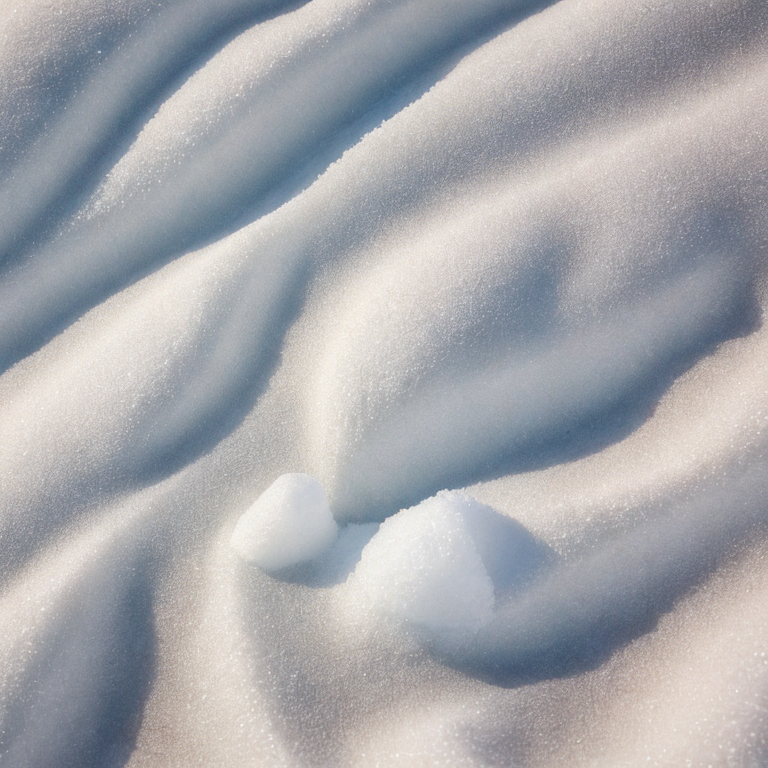
The idea that Inuit languages have an exceptionally large number of words for snow is a common misconception perpetuated by popular culture. However, the reality is more nuanced and reflects the cultural richness and linguistic diversity inherent to these communities. This article explores the true variety of snow terms recognized within Inuit languages, dispelling myths while highlighting their significance in understanding environmental adaptation.
The Number of Snow Terms
Debunking the Myth
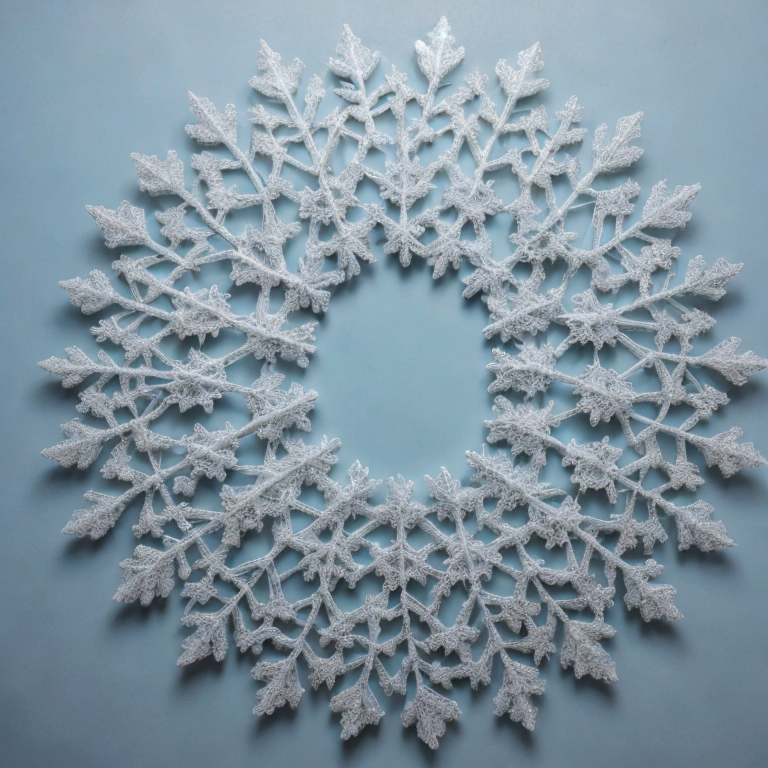
Contrary to popular belief, there are not hundreds or even dozens of words for snow in Inuit languages. Linguists and anthropologists have conducted extensive research that reveals a more moderate number of specialized terms related to snow and ice conditions. This misconception likely stems from an oversimplification or exaggeration of linguistic diversity.
Variability Across Dialects
The vocabulary used to describe snow can vary significantly between different dialects within the Inuit language family. Each community's unique geographical location, climate, and cultural practices contribute to this variability. For instance, the terms "qaniit" (powdery new snow) and "pukak" (crystalline frost-covered snow) are commonly used in some regions but may not be present in others.
Cultural Significance
Environmental Adaptation
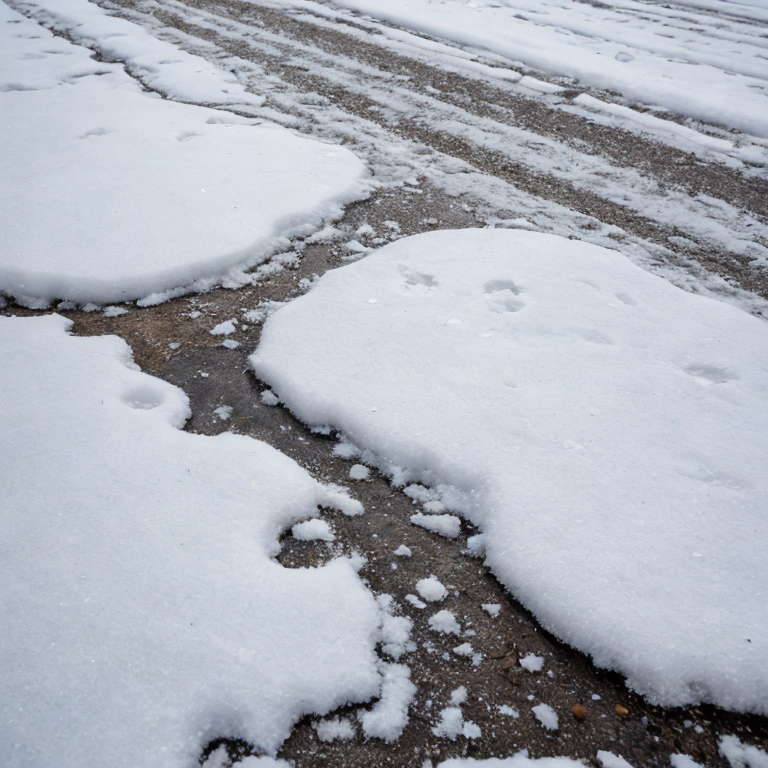
Inuit communities rely heavily on understanding various types of snow for hunting, travel, and survival. The ability to distinguish between different conditions is crucial for safely navigating the landscape and predicting weather patterns. This need has driven the development of specialized terminology that reflects the complex interplay between environment and culture.
Linguistic Complexity
The complexity of Inuit languages extends beyond just snow terms; it encompasses a wide range of environmental, social, and spiritual contexts. The diversity in vocabulary for snow is part of this broader linguistic richness, which includes detailed descriptions of ice formations, weather conditions, and seasonal changes. This nuanced understanding underscores the deep connection between language and lived experience.
Historical Context

Evolution of Terminology
The evolution of Inuit languages has been influenced by centuries of adaptation to Arctic environments. As communities encountered different snow and ice conditions over time, they developed specific terms to describe these phenomena accurately. These linguistic adaptations reflect a dynamic relationship between cultural practices and environmental challenges.
Colonial Impact
Historical interactions with colonial powers have also impacted the development and documentation of Inuit languages. Early explorers and missionaries often recorded limited or inaccurate information about indigenous vocabularies, contributing to misconceptions like the exaggerated number of snow terms. Efforts in recent decades have focused on preserving and accurately documenting these languages.
Etymology
Root Words and Derivatives
Inuit languages use root words that can be combined with suffixes and prefixes to create complex expressions describing various types of snow and ice conditions. For example, the root "qani" (snow) can form terms like "qanik" (falling snow), "pukak" (frost-covered snow), and "aqilokoq" (softly falling snow). This system allows for precise communication about environmental conditions.
Influence of Environment
The environment plays a crucial role in shaping the etymology of Inuit words. Terms related to ice formations, such as "natsivik" (ice that forms over water), reflect the importance of understanding different types of ice for safe travel and hunting. These linguistic distinctions are integral to daily life and cultural practices.
Misconceptions
Overgeneralization
One common misconception is that all Inuit languages have an equally extensive vocabulary for snow, which is not accurate due to regional variations. Another myth is the belief that this diversity exists solely in Inuit languages when similar complexities can be found in other Arctic cultures.
Simplification of Linguistic Diversity
The oversimplification of linguistic complexity often leads to the misconception that there are hundreds of words for snow. This ignores the nuanced and context-specific nature of Inuit vocabulary, which includes detailed descriptions of various environmental conditions beyond just snow.
Conclusion
Understanding the true variety of snow terms in Inuit languages provides valuable insights into cultural adaptation and linguistic diversity. While the number of specific terms is not as extensive as popularly believed, the richness and complexity of these vocabularies reflect a deep connection between language, environment, and culture. Efforts to document and preserve this linguistic heritage are crucial for maintaining the unique cultural knowledge embedded within Inuit communities.