Why Do Some Mushrooms Glow at Night?
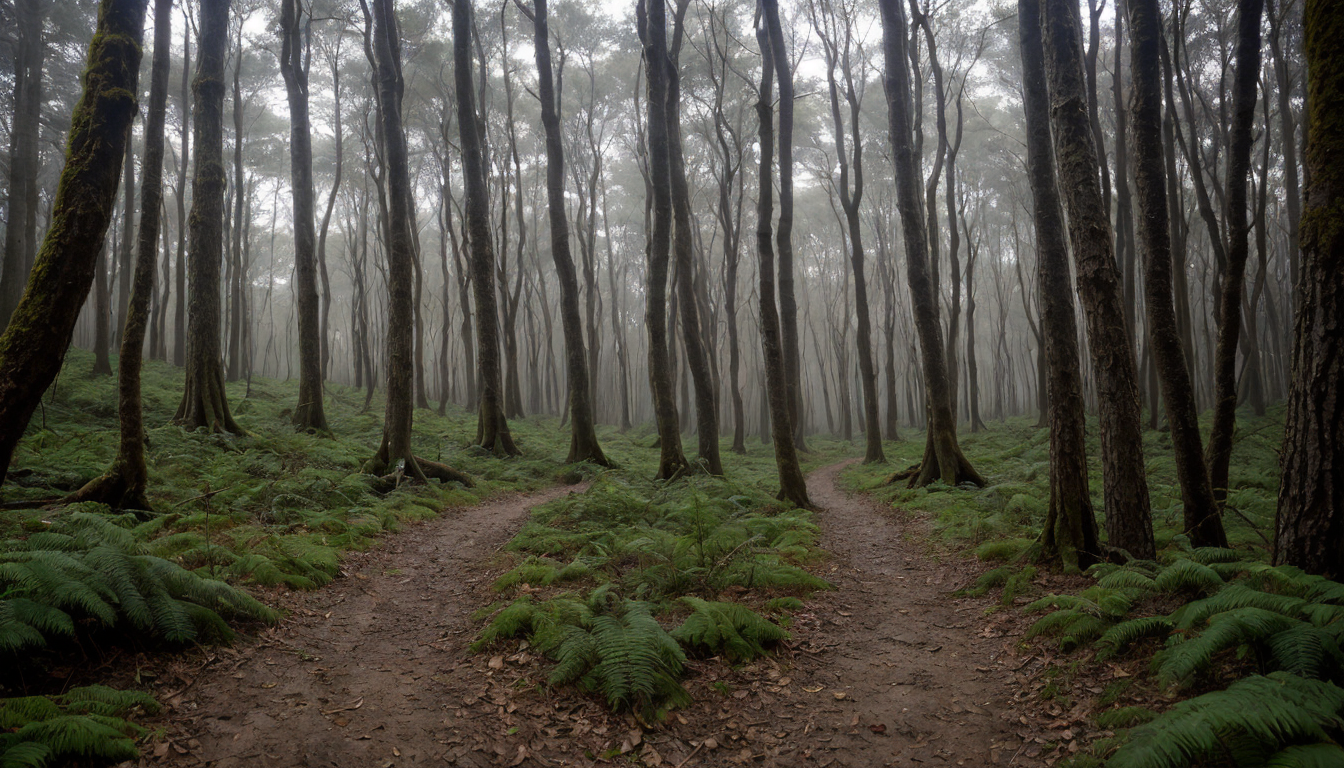
Have you ever wondered why some mushrooms light up in the dark? It’s a mystery as old as Hollow Pines, where the trees whisper secrets and the shadows stretch thin. The science behind glowing fungi is fascinating, but there's an eerie undercurrent, a hint of something more mysterious.
Bioluminescent plants and animals have captivated humans for centuries, not just because they’re beautiful, but because their light seems to defy nature’s rules. It’s as if these creatures are trying to tell us something, or perhaps leading us into the Pale Veil—the threshold between worlds where the veil of reality is thin.
TL;DR: Key Points
- Bioluminescent fungi use chemical reactions to emit light.
- Glow-in-the-dark mushrooms have various ecological purposes.
- Historical folklore often associated glowing lights in nature with supernatural occurrences.
The Science Behind Fungi Luminescence
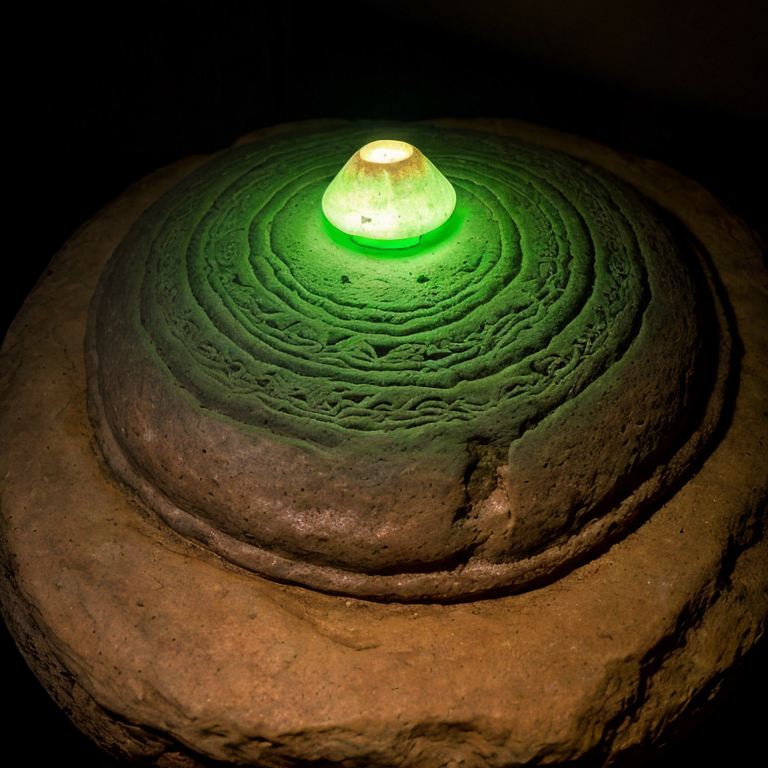
When we talk about glow-in-the-dark mushrooms, what’s really happening? These bioluminescent fungi emit a cold, greenish light due to chemical reactions within their cells. This process is similar to how fireflies glow, involving a pigment called luciferin and an enzyme called luciferase.
In the scientific community, researchers like Dr. Miranda Grey have been studying these phenomena extensively. However, there’s something about Hollow Pines that seems to intensify this light, making it feel almost otherworldly. The forest around it seems to amplify the glow of the mushrooms, drawing in both scientists and those seeking answers beyond the veil.
Ecological Roles and Benefits
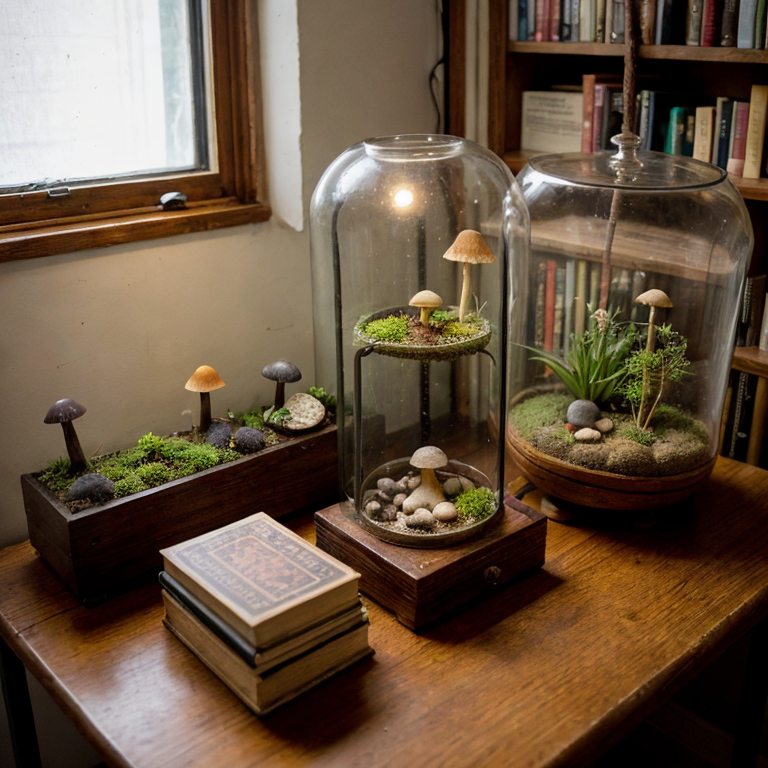
Glow-in-the-dark mushrooms serve several purposes in nature. One such purpose is attracting nocturnal insects that help with spore dispersal. Imagine a moonlit night in Hollow Pines where these tiny green lights flicker, leading unsuspecting insects into their glowing trap. This helps the fungi spread to new areas, ensuring the survival of their species.
Moreover, studying bioluminescent organisms like these mushrooms can provide insights into biochemistry and genetic pathways. It’s not just about understanding nature; it's a pathway toward unlocking mysteries that lie deeper in the Pale Veil.
Historical Lore Around Glowing Mushrooms
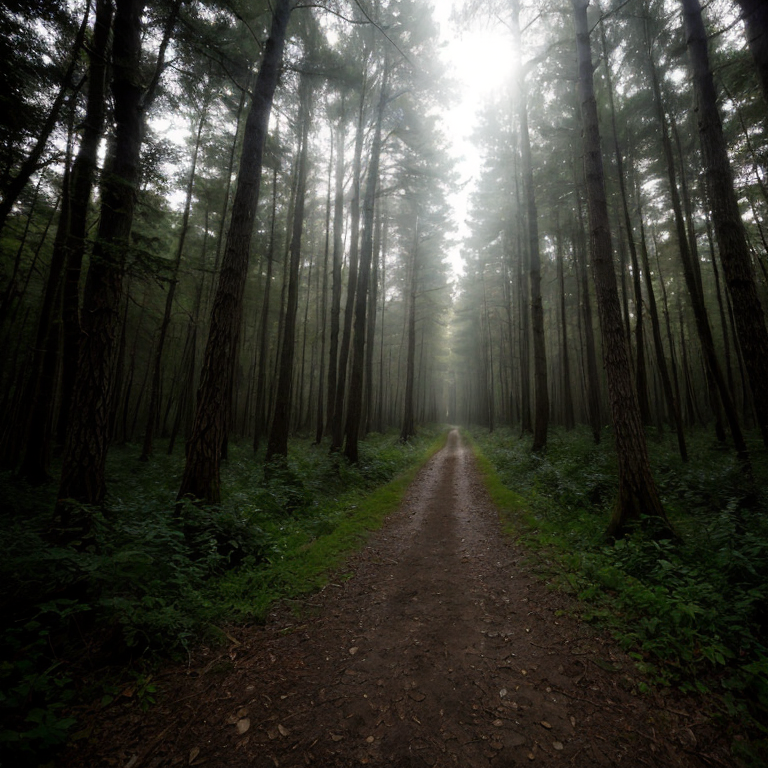
Throughout history, cultures have attributed supernatural significance to strange natural phenomena, including glowing fungi. In Hollow Pines, there are tales of ancient texts mentioning these lights as omens or signs from other realms. The Ashen Gospel speaks cryptically about "green signals" leading the lost to their destiny.
"Every time I step into Hollow Pines after dark, it feels like I’m being watched. And sometimes, when the wind is right and the light just so, I swear I see shapes in the shadows. Just for a second." — Reader Confession
** "The Ashen Gospel mentions green signals leading the lost to their destiny."
In folklore, these glows were often linked to spirits or ghosts wandering through the night, guiding souls back to where they belong. The thin boy of Hollow Pines is said to have been the first to notice a pattern in these lights—a map perhaps, laid out by some unseen force.
Studying Bioluminescent Fungi
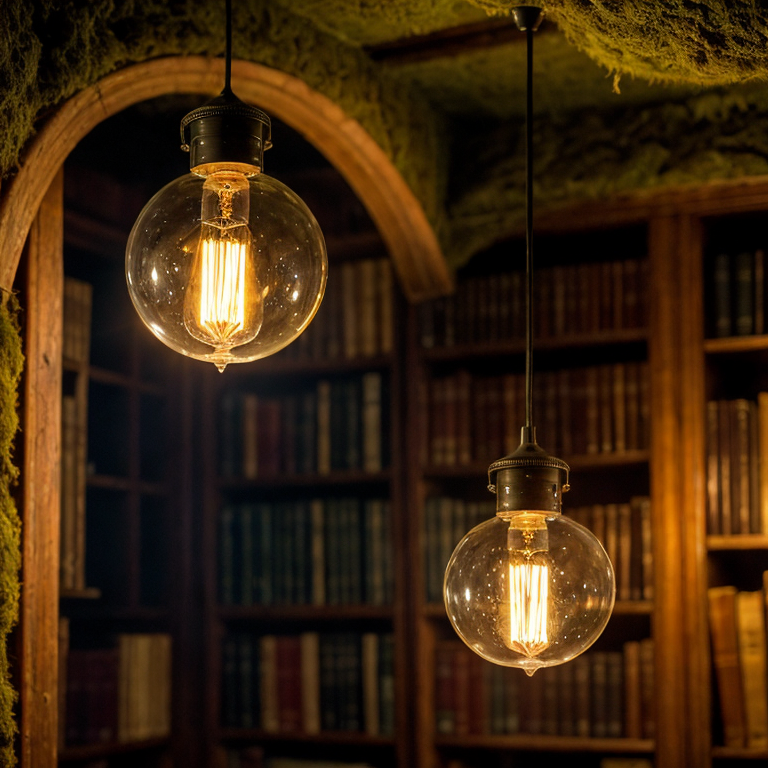
Researching bioluminescent organisms isn’t just about science; it’s also about understanding the hidden layers of nature. In Hollow Pines, researchers often report finding unexpected results—like mushrooms glowing brighter during full moons or emitting different colors under specific conditions.
Moreover, some believe that these studies might unlock deeper truths about consciousness and existence itself. What if the light isn’t just a chemical reaction but an echo of something much greater?
** "Guardian of the Veil" is whispered to be watching over Hollow Pines.
The Pale Veil phenomenon has been observed around such fungi, suggesting that these glowing mushrooms might serve as gateways between dimensions. Some researchers even speculate that these bioluminescent signals are part of a larger communication system within nature—a language we’re just beginning to understand.
Exploring the Nighttime Flora
Visiting Hollow Pines at night offers an ethereal experience, one where the boundary between reality and the supernatural blurs. If you ever find yourself walking through such woods under a moonlit sky, take a moment to look closely at the ground around your feet. You might just witness something truly magical.
Reader Confession:
"It started with an experiment gone wrong—just a small group of glowing mushrooms left out overnight. The next morning, I noticed they had changed color and were pulsing faintly. It was as if they had a heartbeat."
Conclusion
Glow-in-the-dark mushrooms are more than just a scientific curiosity; they're a doorway to the unknown. As you venture into the world of bioluminescent fungi, remember that sometimes what we see isn’t always what it seems. In Hollow Pines, every light might hold a story, waiting to be discovered.
And as night falls and those tiny lights begin to pulse...
We do not sleep. We wait.
** "Beneath the shadow of the ◬, the old giants must cede to the new. On the eve of the second cycle, the mortal coil must be reset."
What lies ahead in the Pale Veil? The answer might just glow at your feet.
TL;DR: Key Points
- Bioluminescent fungi use chemical reactions to emit light.
- Glow-in-the-dark mushrooms attract nocturnal insects for spore dispersal.
- Historical lore often ties these lights to supernatural omens or spirits.
As an Amazon Associate, The Weird Report earns from qualifying purchases. Product links above are suggestions related to this article; they don't affect what we write.


