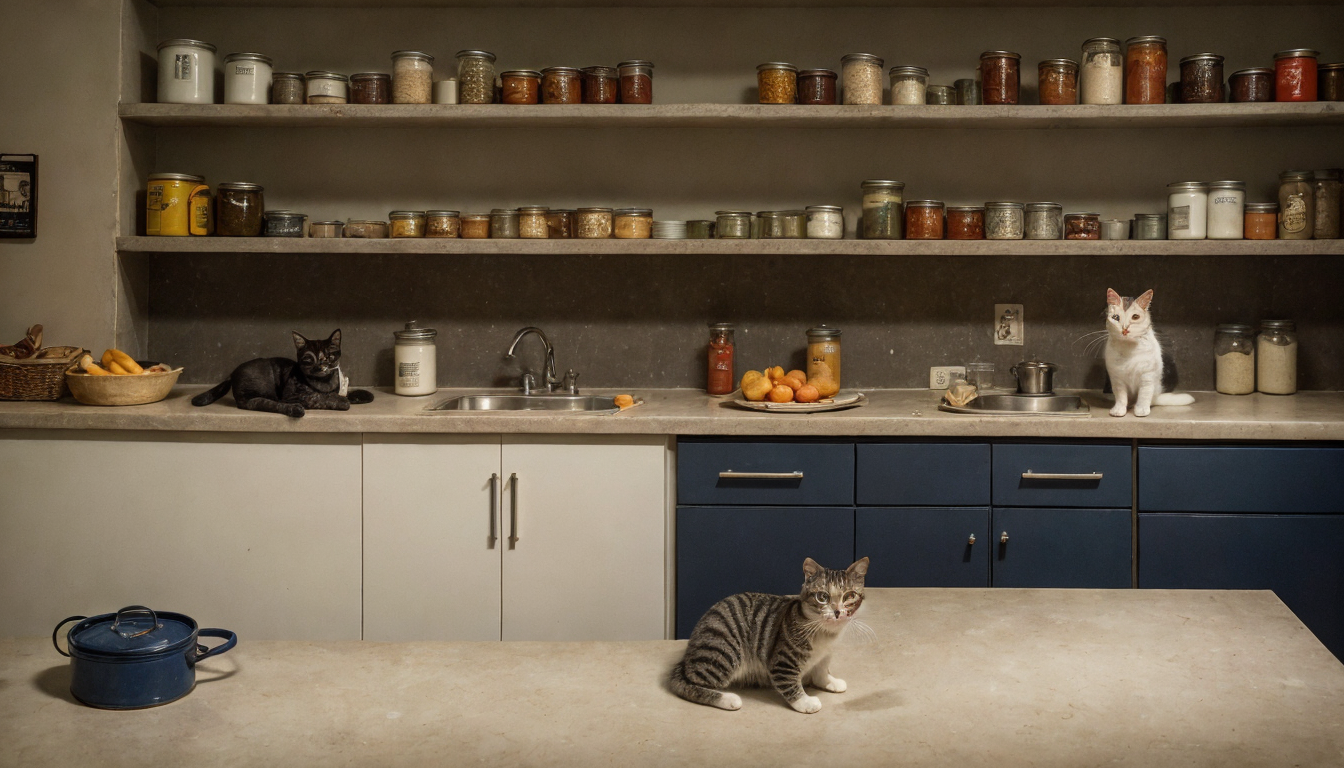
Why Cats Obsess Over Tuna Yet Refuse to Eat It
Chilling Hook: "They say when the tuna can rolls across the kitchen floor, it’s not just a tinny echo—it's the call of an unseen force."
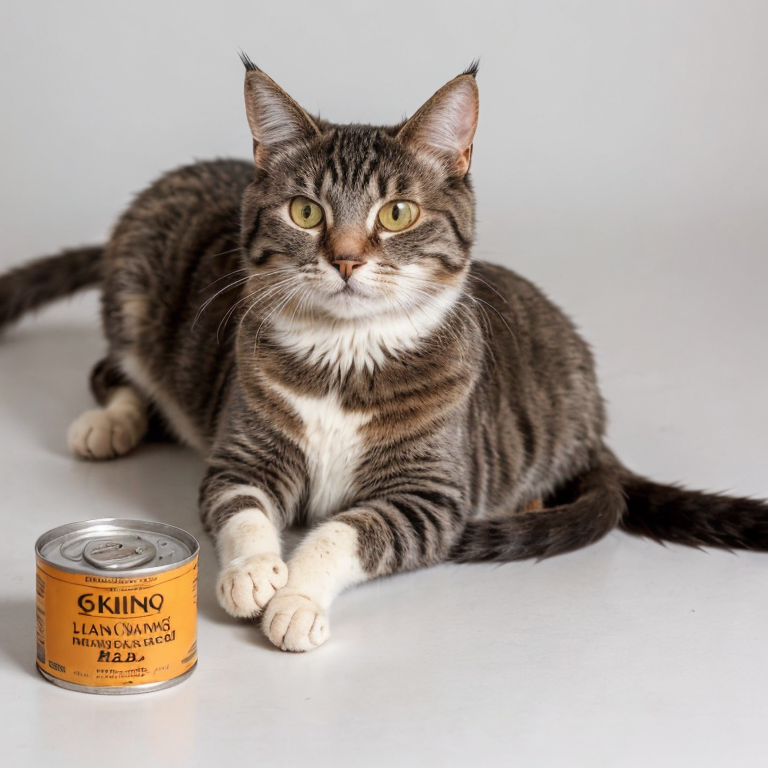
Cats have a reputation for being picky eaters, and one of their quirkiest behaviors is their love-hate relationship with tuna. Despite their undeniable attraction to its smell and taste, many felines will refuse to actually consume it once presented with it on a plate. This peculiar behavior has puzzled pet owners and animal experts alike. In this article, we delve into why cats are so drawn to the allure of tuna but often hesitate at mealtime.
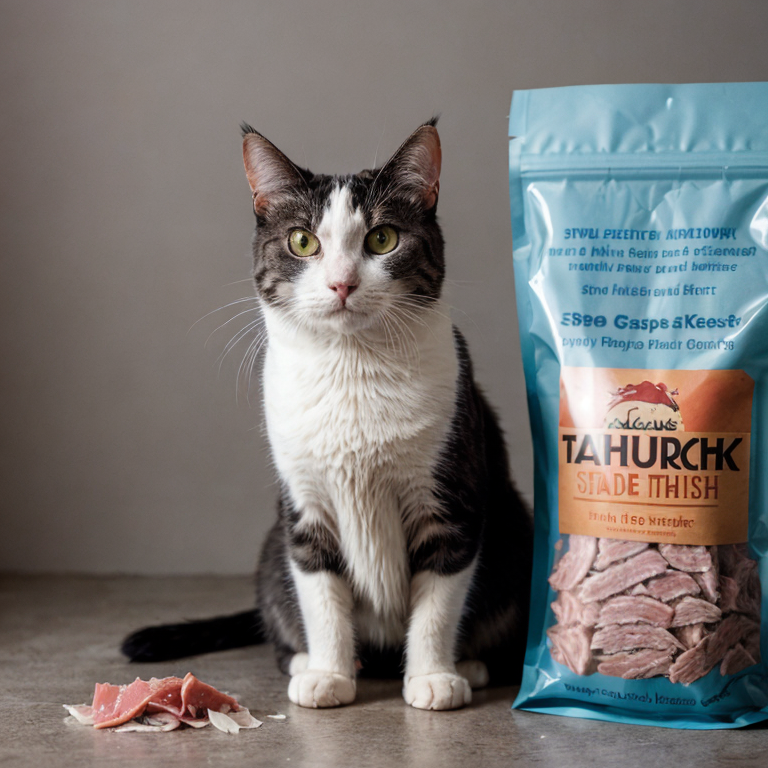
The Science Behind Cats' Obsession with Tuna
Firstly, let's explore the reasons behind your cat’s obsession with canned tuna. From a biological standpoint, fish like tuna contain high levels of thiamine, taurine, and other essential nutrients that cats find appealing. These ingredients are often found in premium cat food but can also be detected in small quantities in plain canned tuna.
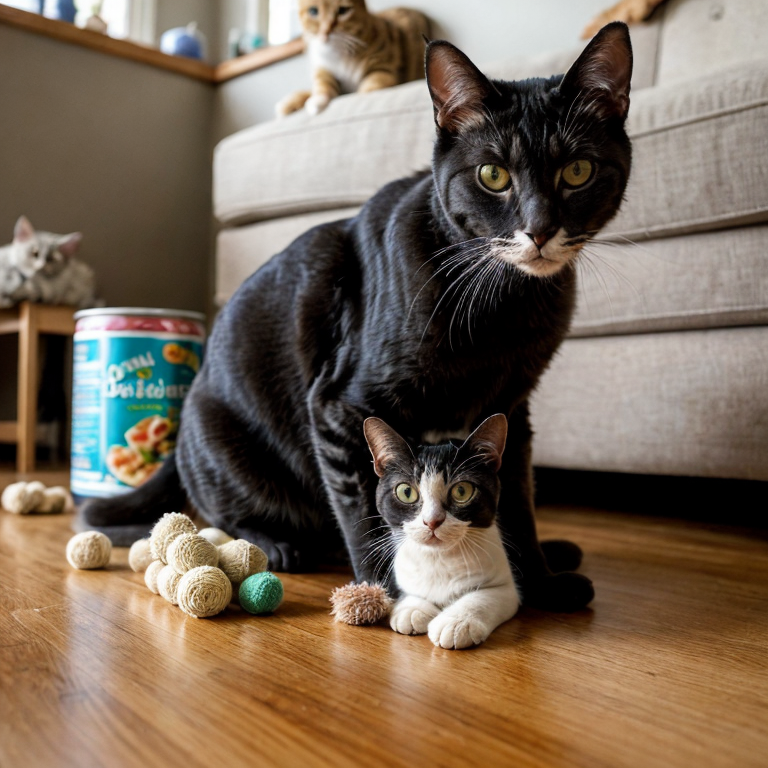
However, despite its appeal, cats might refuse to eat it because they are sensitive to strong flavors or have specific dietary needs. The high sodium content in many varieties of canned tuna is not ideal for regular consumption and may lead to dehydration or other health issues.
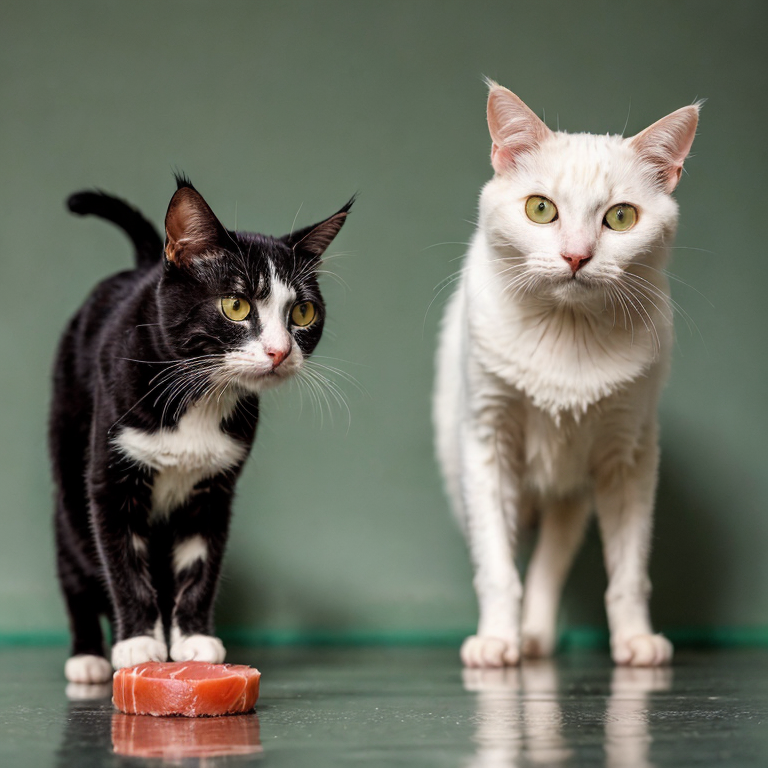
Why Cats Refuse to Eat Tuna
- Sensory Overload: Cats can be overwhelmed by the intense smell and taste of tuna, which might make them hesitant to eat it.
- Palate Sensitivity: Some cats are picky about textures and may dislike the soft consistency of canned tuna compared to their usual diet.
- Allergies or Food Intolerance: Tuna can cause allergic reactions in some cats, leading them to avoid eating it altogether.
Reader Confessions
"Every time I open a can of tuna for my cat, she comes running from across the house and starts meowing loudly. But when I put it down in her bowl, she walks away like nothing happened." — Sarah L., Cat Owner
** "The thin boy was said to have heard them first—the hollow laughter that preceded every lightning strike in Hollow Pines. They claimed he could predict each storm weeks before it arrived."
Common Misconceptions About Cats and Tuna
Despite popular belief, tuna isn't a natural part of a cat's diet. While they enjoy the taste, frequent consumption can lead to nutritional imbalances due to missing essential nutrients like calcium and phosphorus. Additionally, the preservatives used in canned tuna can be harmful if ingested regularly.
Alternatives to Tuna for Fussy Cats
If your cat is refusing to eat tuna or you're concerned about its health impact, there are several alternatives you might try:
- Specialty Cat Food: Look for high-protein foods that mimic the taste and texture of fish without the negative side effects.
- Homemade Treats: Creating homemade treats with ingredients like chicken broth can entice your cat to eat without risking their health.
Health Risks Associated with Overfeeding Tuna
Overfeeding tuna can lead to significant health risks for cats, including obesity, urinary tract issues, and liver damage. It’s crucial to maintain a balanced diet to ensure the overall well-being of your feline friend.
Reader Confessions
"My cat would go bonkers over tuna when she was younger, but now she acts like it’s some kind of punishment if I open a can near her." — Michael T., Long-time Cat Owner
The Psychology Behind Cats’ Preferences
Understanding why cats exhibit this behavior isn't just about biology; it also involves psychology. Just as humans have food preferences shaped by experiences and sensory perceptions, so do cats. Their refusal to eat tuna might be a learned response from previous negative experiences or simply a preference for variety.
** "Every time there’s a storm, I notice my cat staring out the window at a peculiar spot in our backyard. It’s like she sees something we don’t."
How to Introduce Tuna as an Occasional Treat
To introduce tuna properly and minimize potential risks:
- Monitor Consumption: Keep track of how much your cat eats during each session.
- Gradual Introduction: Start with small amounts mixed into regular food before transitioning to straight tuna.
- High-Quality Options: Opt for high-quality, low-sodium canned tuna varieties specifically designed for pets.
** "When the hand is void of self, it holds the key to the uncharted."
Conclusion: Striking a Balance
While cats might love the smell and taste of tuna, their refusal to eat it points towards a nuanced understanding of what’s best for them. Balancing treats with a healthy diet ensures your cat enjoys a happy, balanced life.
The behavior of cats refusing to eat tuna despite loving its scent raises intriguing questions about their deeper preferences and dietary needs. As you navigate the challenges of feeding your furry friend, remember that sometimes, it's not just about what they can smell—it’s also about what they feel.
TL;DR:
- Cats love the smell but may refuse to eat canned tuna.
- This behavior could be due to sensory overload or palate sensitivity.
- Regular consumption of tuna poses health risks for cats.
- Opt for high-quality alternatives and monitor your cat's reaction closely.