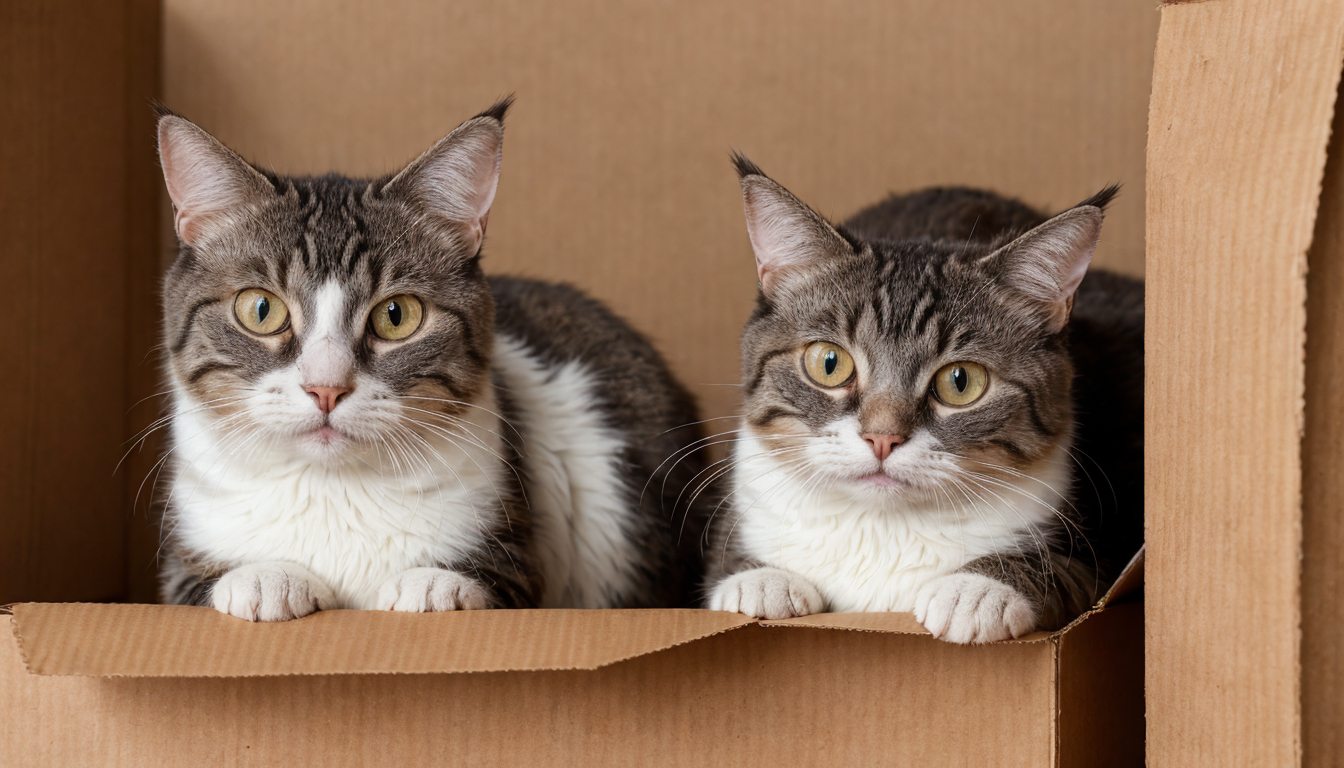
Why Cats Can't Resist Cardboard Boxes
TL;DR
- Safety and Security: Cardboard boxes provide cats with a sense of security by offering a hidden space to retreat into.
- Temperature Regulation: The enclosed nature of cardboard boxes helps cats regulate their body temperature, especially in cold environments.
- Hunting Instincts: Cats use small spaces like boxes to stalk prey or toys, simulating the thrill of hunting.
- Curiosity and Exploration: Boxes offer a new environment for cats to explore and investigate, engaging their natural curiosity.
- Comfort and Softness: The soft material of cardboard is comfortable for cats to lie on, making it an appealing resting spot.
Understanding Cat Behavior
Safety and Security
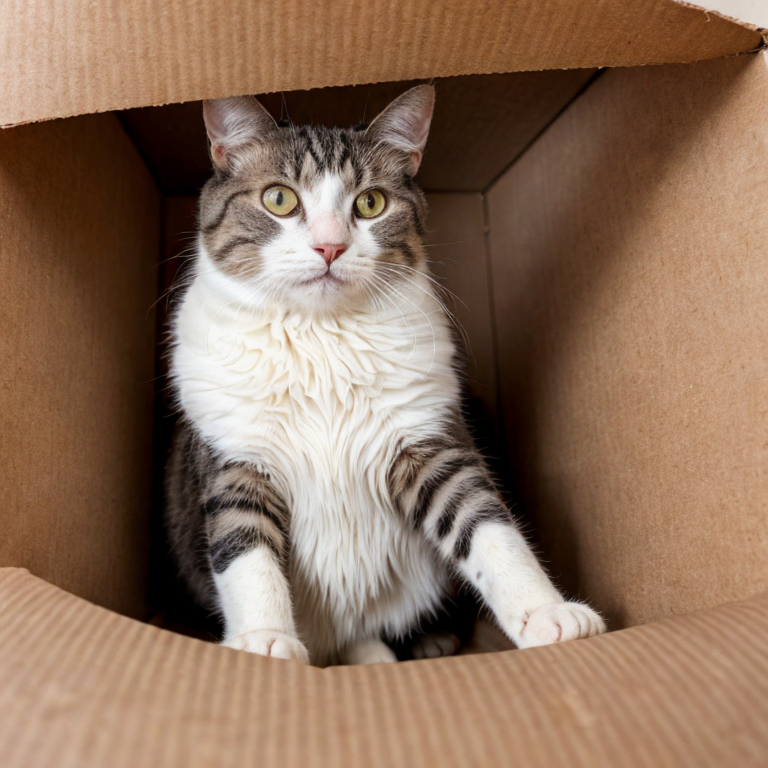
One primary reason why cats are drawn to cardboard boxes is the sense of safety they provide. Cats have a strong instinct to seek out enclosed spaces where they can feel protected from potential threats or perceived dangers. In the wild, these spaces could be dens or hiding spots that shield them from predators and competitors. Cardboard boxes mimic this natural environment by offering an enclosed area for cats to retreat into when feeling anxious or overwhelmed.
Temperature Regulation
Another significant factor is temperature regulation. Cats are sensitive to changes in environmental temperatures, particularly cold weather conditions. The insulation properties of cardboard boxes can help cats maintain their body heat more effectively than being exposed to the elements. This thermal comfort makes cardboard boxes a desirable resting spot for cats during cooler periods.
Hunting Instincts
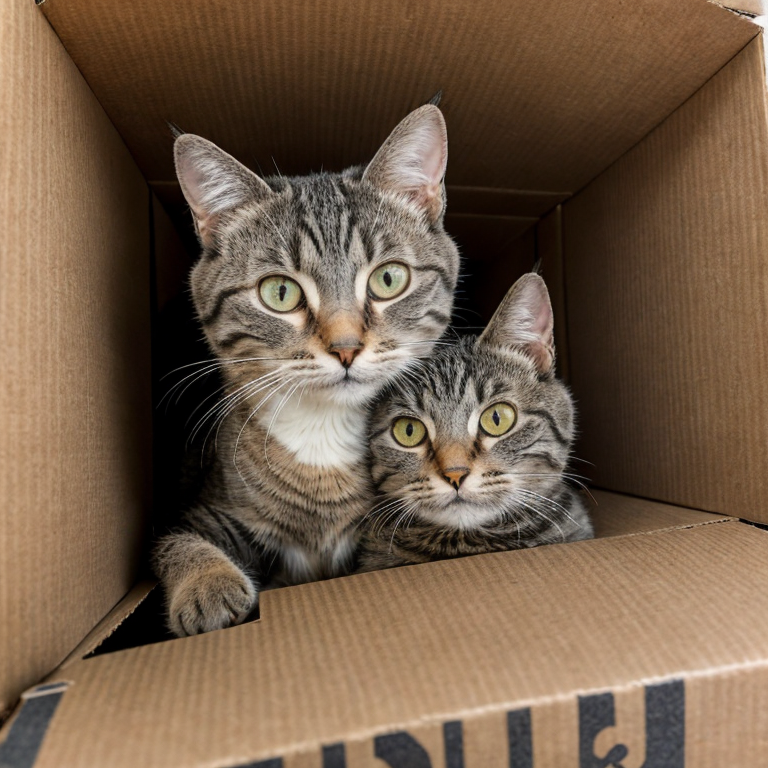
Cats have an innate hunting instinct that drives them to stalk and pounce on prey or toys. Small, confined spaces like cardboard boxes can serve as ideal environments for these behaviors. The box provides a vantage point from which cats can watch their surroundings and plan their attacks, much like how they would approach real prey in the wild.
Curiosity and Exploration
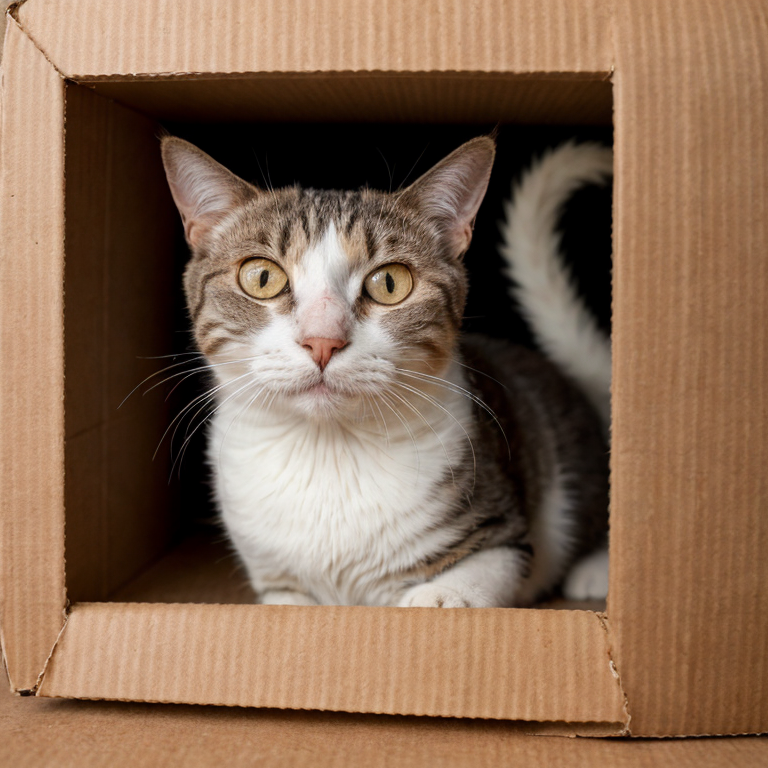
Cats are naturally curious creatures with an innate desire to explore new objects and environments. A cardboard box represents a novel stimulus that engages a cat's curiosity. By interacting with the box, cats can learn about its properties through tactile exploration, which satisfies their need for mental stimulation and sensory engagement.
Comfort and Softness
The soft texture of cardboard is another appealing aspect for many cats. Unlike hard surfaces such as concrete floors or wooden furniture, cardboard provides a softer surface to lie on, making it more comfortable for extended periods of rest. This comfort factor contributes significantly to why cats find cardboard boxes so irresistible.
History and Etymology
Historical Context
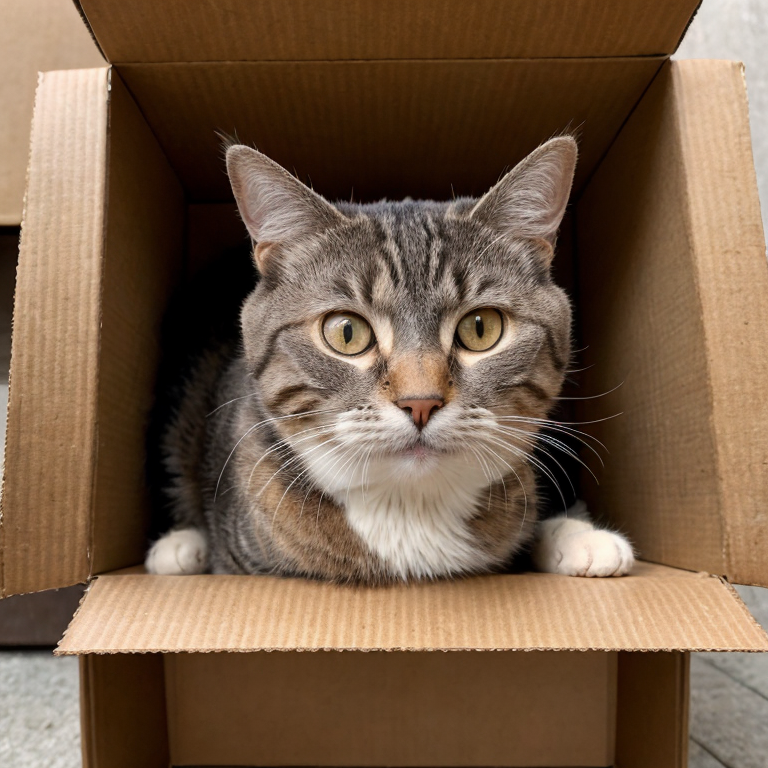
The fascination with cardboard boxes among domesticated cats can be traced back to the early 20th century when cardboard became widely available as a packaging material. As industrialization progressed, more products were shipped in cardboard containers, leading to an increase in household availability of these materials. Cats began to show interest in these discarded packages, seeing them as potential hiding spots or play areas.
Cultural Significance
Over time, this behavior has become deeply ingrained within cat culture and is often depicted humorously in media such as cartoons and advertisements. The image of a cat curled up inside a cardboard box has become an iconic representation of feline comfort and relaxation. This cultural perception reinforces the idea that cats naturally gravitate towards enclosed spaces for various reasons.
Misconceptions
Myth: All Cats Love Boxes
While many cats enjoy playing with or resting in boxes, it's important to recognize that not all cats exhibit this behavior equally. Individual preferences vary based on personality traits and environmental factors. Some cats might be more inclined toward open spaces or specific types of toys rather than cardboard containers.
Misunderstanding: Safety vs. Independence
Some cat owners mistakenly assume that providing a box for their pet will make them feel overly dependent or less independent. However, the opposite is often true; boxes can actually enhance independence by giving cats a private space to retreat into without feeling threatened or exposed.
Conclusion
In summary, cats' attraction to cardboard boxes stems from multiple factors including safety and security, temperature regulation, hunting instincts, curiosity, and comfort. Understanding these underlying reasons helps cat owners provide an enriching environment that meets their pets’ needs. While it's essential to recognize individual differences in behavior preferences, the overall appeal of cardboard boxes remains a fascinating aspect of feline psychology.