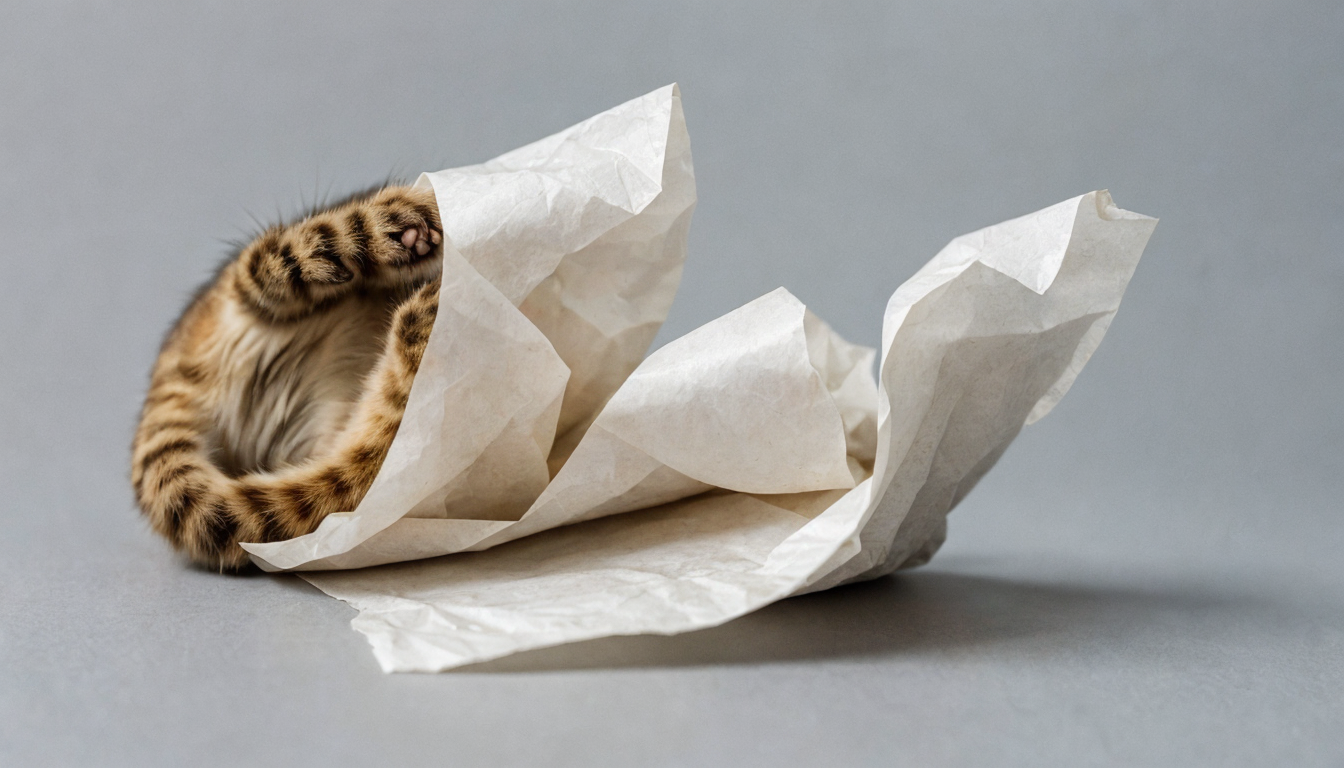
Why Cats Crave Paper: The Puzzling Habit Explained
TL;DR
- Some cats exhibit a behavior known as pica, where they consume non-food items like paper.
- Eating paper can be linked to nutritional deficiencies or boredom in cats.
- This habit may also indicate underlying health issues such as gastrointestinal distress or anxiety.
- Owners should monitor their cat’s diet and provide safe alternatives to prevent potential harm from consuming paper.
Understanding Pica in Cats
Pica is a condition characterized by the ingestion of non-food items, which can include paper. While it might seem like an odd behavior, pica has several potential causes that are worth exploring. It's important for cat owners to understand what triggers this behavior and how to address it properly.
Definition and Scope
The term "pica" comes from the Latin word pix, meaning pitch or glue, which describes a sticky substance that was once thought to cause cravings in people. In veterinary medicine, pica is used to describe animals eating non-nutritive substances such as paper, wool, plastic, or soil.
In cats, this behavior can range from occasional nibbling on paper to more persistent and problematic consumption patterns. It's a complex issue that requires careful examination of both environmental and physiological factors affecting the cat.
Common Non-Food Items Eaten by Cats
Cats suffering from pica may be attracted to various materials:
- Paper: Newspaper, cardboard boxes, or even toilet paper.
- Fabric: Woolen items like socks, yarn, or blankets.
- Plastic: Plastic bags, containers, and other household objects.
- Metal: Paper clips, staples, or small metal parts.
The specific item varies among cats and can depend on the cat's environment, preferences, and underlying issues. Understanding what triggers this behavior is crucial in addressing it effectively.
Scientific Explanations for Pica
Nutritional Deficiencies
One of the primary reasons a cat might develop pica could be due to nutritional deficiencies or an unbalanced diet. Cats require specific nutrients that can sometimes lead them to seek out alternative sources if their regular food doesn't provide enough of what they need.
Essential Nutrients
Cats are obligate carnivores, meaning they have strict dietary requirements for certain amino acids and vitamins found primarily in meat. A lack of these essential components might prompt a cat to look elsewhere for nutrition. Common deficiencies include:
- Taurine: Crucial for heart health and vision.
- Vitamin B12: Important for energy production and nerve function.
By ensuring the cat has a balanced diet with all necessary nutrients, owners can help reduce the urge to consume non-food items like paper.
Gastrointestinal Issues
Another potential cause of pica is gastrointestinal distress. Cats may chew on paper or other materials as an attempt to alleviate discomfort in their digestive system.
Common Symptoms and Causes
Symptoms indicating a possible gastrointestinal issue include:
- Diarrhea
- Vomiting
- Lethargy
Causes might be:
- Infections: Bacterial, viral, or parasitic.
- Blockages: Foreign objects lodged in the intestines.
If your cat shows signs of gastrointestinal distress alongside paper-eating behavior, it's advisable to consult a veterinarian for proper diagnosis and treatment.
Behavioral Factors
Behavioral factors can also contribute significantly to pica. Cats that are bored, anxious, or stressed might turn to chewing on non-food items as a coping mechanism.
Stress Triggers
Stressors in a cat’s environment could include:
- Loud noises: Construction work outside, loud music.
- Crowded living spaces: Too many pets or people in close quarters.
- Changes in routine: Moving house, new family members.
Identifying and addressing these stress triggers can help reduce the likelihood of pica behavior developing.
Enrichment Activities
Providing enrichment activities such as:
- Interactive toys
- Scratching posts
- Catnip-infused treats
can keep cats mentally stimulated and less likely to engage in destructive behaviors like eating paper.
Historical Context and Cultural Perceptions
Ancient References
The practice of pica has been observed and documented throughout history. In ancient Egypt, it was believed that people who consumed non-food items were possessed by evil spirits. Cats have long been associated with both positive and negative spiritual beliefs, sometimes being viewed as divine creatures or malevolent beings.
While the cultural significance of cats in relation to pica may vary widely depending on geographical location and historical period, the underlying biological reasons for this behavior remain consistent across time.
Modern Veterinary Perspective
Today, veterinarians approach pica from a medical standpoint rather than attributing it to supernatural causes. Scientific research has shed light on the physiological mechanisms behind this condition, leading to more effective treatments and preventive measures.
Risks Associated with Pica in Cats
Health Hazards
Consuming non-food items poses several risks for cats:
- Obstruction: Paper can cause blockages in the digestive tract.
- Toxicity: Ingested substances may contain harmful chemicals or contaminants.
- Nutritional Imbalance: Replacing food with paper leads to poor nutrition.
Owners should be vigilant about their cat's behavior and seek immediate veterinary care if they notice signs of distress or illness after consuming non-food items.
Preventive Measures
To prevent pica, consider the following strategies:
Balanced Diet
Ensure your cat’s diet is complete and balanced, providing all necessary nutrients without overfeeding. Consult with a veterinarian to tailor a dietary plan suited for your pet's specific needs.
Environmental Enrichment
Create an engaging environment that stimulates your cat both mentally and physically. Regular play sessions, interactive toys, and scratching posts can help reduce stress and boredom.
Medical Screening
Regular check-ups with a vet are crucial in identifying any underlying health issues early on. Addressing conditions like gastrointestinal problems or nutritional deficiencies promptly can prevent the development of pica.
Conclusion
While it might seem puzzling to observe your cat nibbling on paper, understanding the causes behind this behavior is key to addressing it effectively. By ensuring proper nutrition, managing stress levels, and providing adequate environmental enrichment, owners can help mitigate the risks associated with pica in cats. If concerns persist or worsen, consulting a veterinarian for professional advice is highly recommended.
Ultimately, maintaining open communication with your pet's healthcare provider will enable you to provide the best care possible and ensure your cat leads a healthy, happy life free from harmful habits like paper-eating.