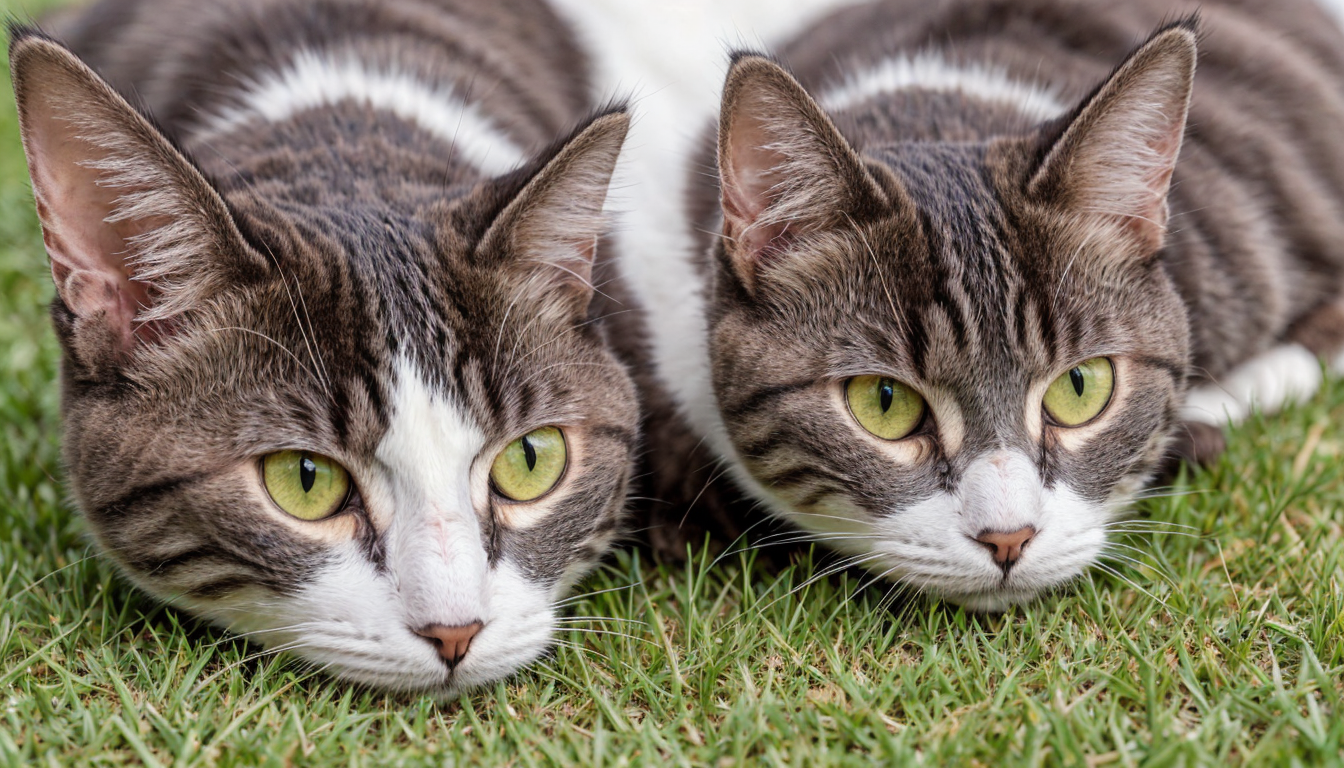
Why Cats Can't Resist Chomping on Grass
TL;DR
- Cats eat grass to aid digestion and expel hairballs.
- Grass consumption may help relieve nausea or indigestion.
- Some cats might consume grass due to nutritional deficiencies or curiosity.
- Indoor cat owners should provide safe, pesticide-free grass options for their pets.
- Understanding why cats eat grass can lead to better pet care practices.
The Science Behind Cats Eating Grass
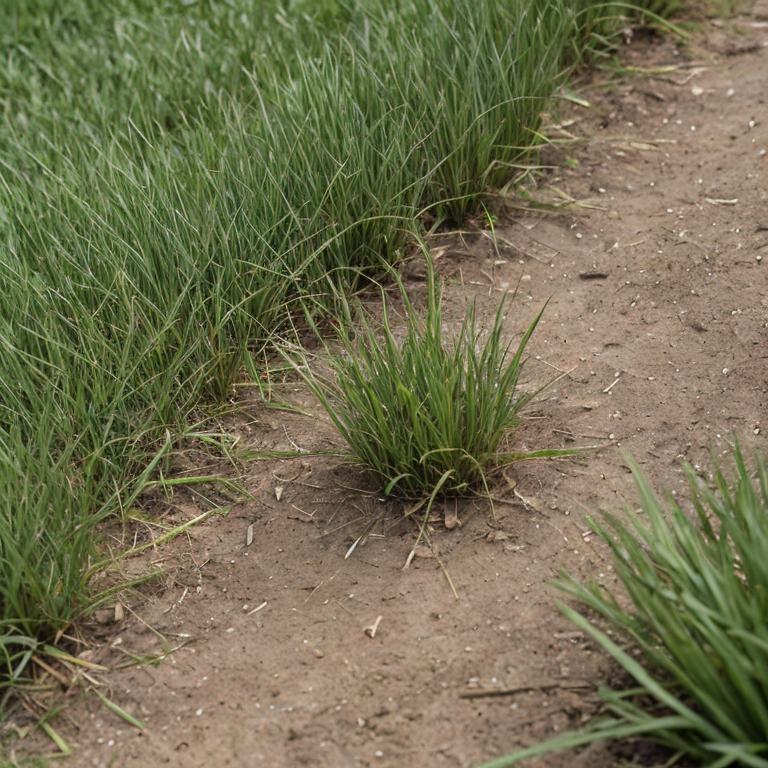
Cats are obligate carnivores, meaning they primarily feed on animal tissue. However, it is not uncommon to observe them grazing on grass or other plants. This behavior has puzzled cat owners and researchers for decades. From a scientific perspective, there are several reasons why cats might be drawn to eating grass.
Digestive Aid
One of the primary theories behind grass consumption in cats revolves around its role as an aid to digestion. Grass is rich in fiber, which can help stimulate the digestive system by encouraging movement through the intestines and aiding in the expulsion of hairballs. Hairballs are a common issue for cats due to their grooming habits, and eating grass may be one way they naturally try to alleviate this problem.
Inducing Vomiting
Grass consumption is often associated with vomiting, which can help cats clear their stomachs of undigested food or other irritants that might cause nausea. This behavior is believed to be an instinctive response to discomfort in the digestive tract. When a cat ingests grass and then vomits, it may feel relieved from any unpleasant symptoms.
Nutritional Benefits
While not as essential for cats as they are for herbivores, some grasses can offer minor nutritional benefits such as vitamins, minerals, and enzymes that might help supplement their diet. For instance, certain types of grass contain chlorophyll, which has anti-inflammatory properties and can support overall health.
Curiosity and Boredom
Another factor contributing to cats' interest in grass is simple curiosity or boredom. Cats are naturally curious animals with a strong sense of exploration. They may chew on grass simply because it's an interesting new texture or taste they encounter outside.
Historical Context and Cultural Views
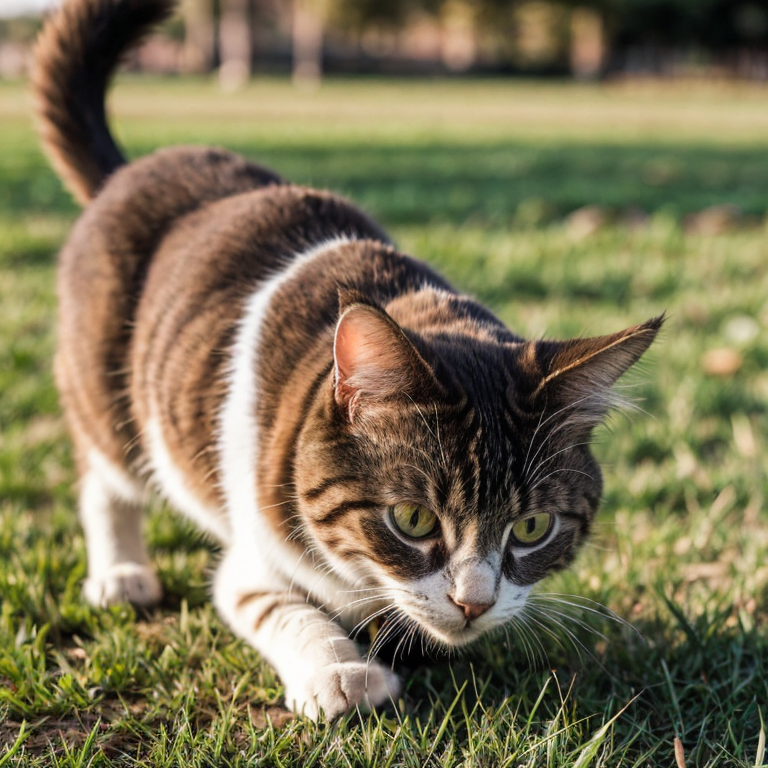
The habit of cats eating grass has been observed for centuries, leading to various interpretations across different cultures. In ancient Egypt, where cats were revered as sacred beings, the act was often associated with mystical or divine qualities. However, over time, scientific understanding has gradually replaced these mythological explanations.
Ancient Observations
Ancient Egyptians noticed that their domesticated cats would frequently nibble on grass and other plants in their environment. This behavior was sometimes linked to the idea of a cat seeking out herbs with healing properties, aligning it with broader beliefs about natural remedies and spiritual connections.
Modern Studies
In more recent times, researchers have conducted studies to better understand why cats eat grass from a biological standpoint. These investigations have helped dispel some long-held myths and provided clearer insights into the practical benefits of this behavior for feline health.
Misconceptions About Cats Eating Grass
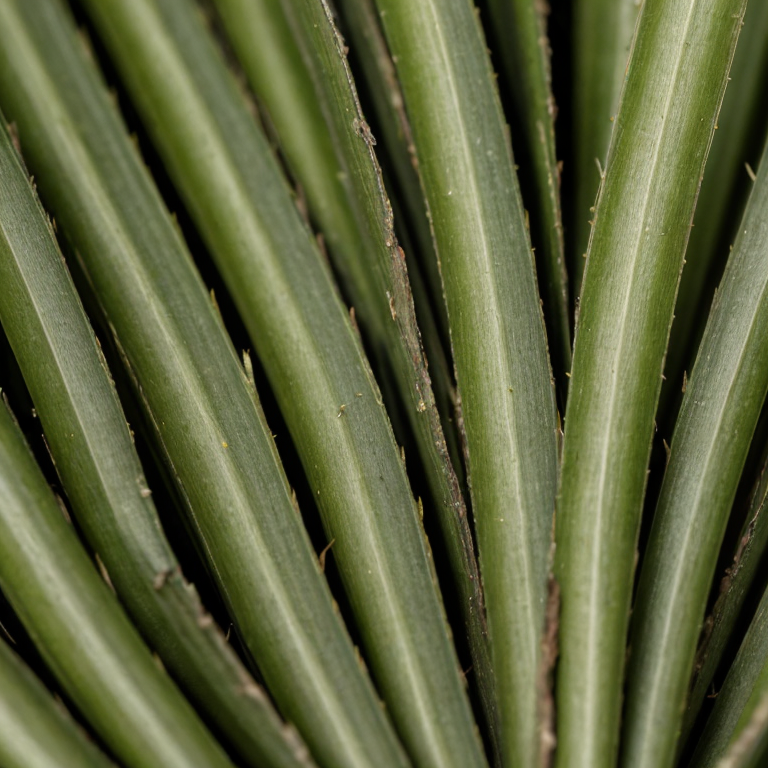
Despite growing scientific knowledge, many misconceptions still persist regarding why cats consume grass. It's important to address these misunderstandings to ensure that pet owners can make informed decisions about their cat’s welfare.
Myth: Grass is Poisonous
Contrary to some beliefs, grass is generally not toxic for cats when consumed in moderation. However, it’s crucial to note that not all plants are safe for felines; certain varieties contain harmful chemicals or toxins that could be dangerous if ingested.
Fact: Cats Don’t Need Vegetables
While grass can offer minor nutritional benefits, cats do not require plant matter as part of their regular diet. Their digestive systems are adapted specifically for meat-based nutrition. Providing a balanced cat food formulated with all necessary nutrients ensures optimal health without the need for additional vegetation.
Myth: Eating Grass is Abnormal Behavior
Observing your cat eating grass does not necessarily indicate abnormal behavior or underlying health issues. In fact, it could be quite normal and even beneficial under certain circumstances. However, if the frequency of grass consumption increases significantly or if other concerning symptoms appear alongside this habit, consulting a veterinarian is advisable.
Practical Tips for Cat Owners
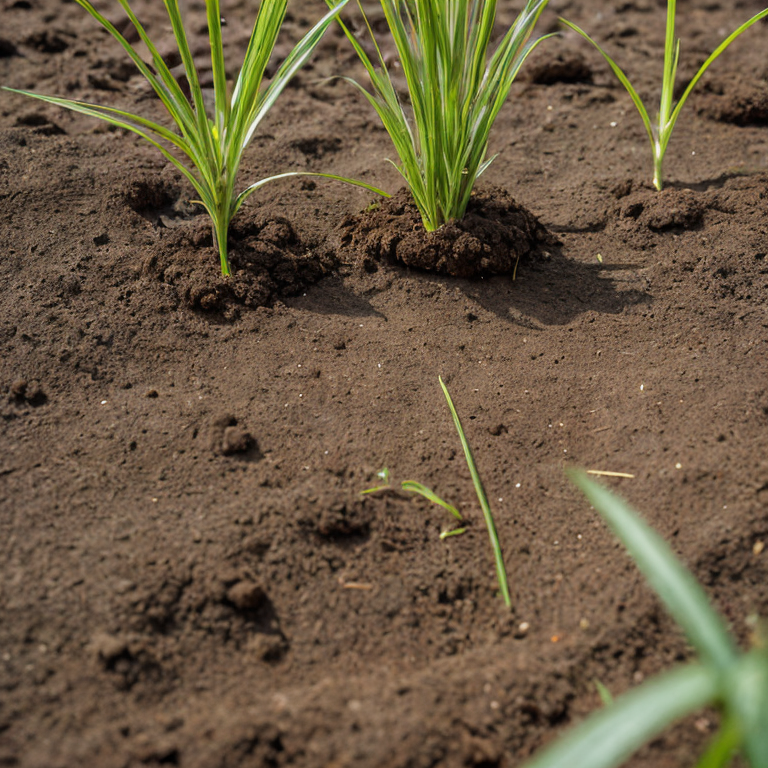
Understanding why cats eat grass can help pet owners take proactive steps to ensure their feline companions remain healthy while satisfying natural instincts.
Providing Safe Grass Options
Indoor cat owners might consider offering safe alternatives like wheatgrass or oatgrass that are specifically marketed as being beneficial and non-toxic for pets. These options allow cats to indulge in the behavior without risking exposure to harmful pesticides or other outdoor contaminants.
Monitoring Outdoor Access
If your cat has access to an outdoor environment, it's important to monitor which plants they come into contact with. Some common outdoor grasses can be toxic if ingested by cats. Familiarizing yourself with these risks and limiting exposure to dangerous plants is crucial for maintaining safety.
Conclusion: A Natural Instinct in Cats
The practice of cats eating grass is a natural instinct that has evolved alongside their predatory nature. While there are several potential reasons behind this behavior, including aiding digestion, relieving nausea, satisfying curiosity, or addressing nutritional deficiencies, it remains primarily an instinctive action rather than a dietary necessity.
By understanding the science and history surrounding this phenomenon, cat owners can better appreciate why their pets engage in such behaviors and take appropriate measures to keep them safe while allowing for natural expression of these instincts. Providing safe grass alternatives indoors and being vigilant about outdoor plant exposure are key steps towards ensuring your feline friend's continued health and happiness.