Why Deep Sea Bioluminescence Evolved: A Strange History
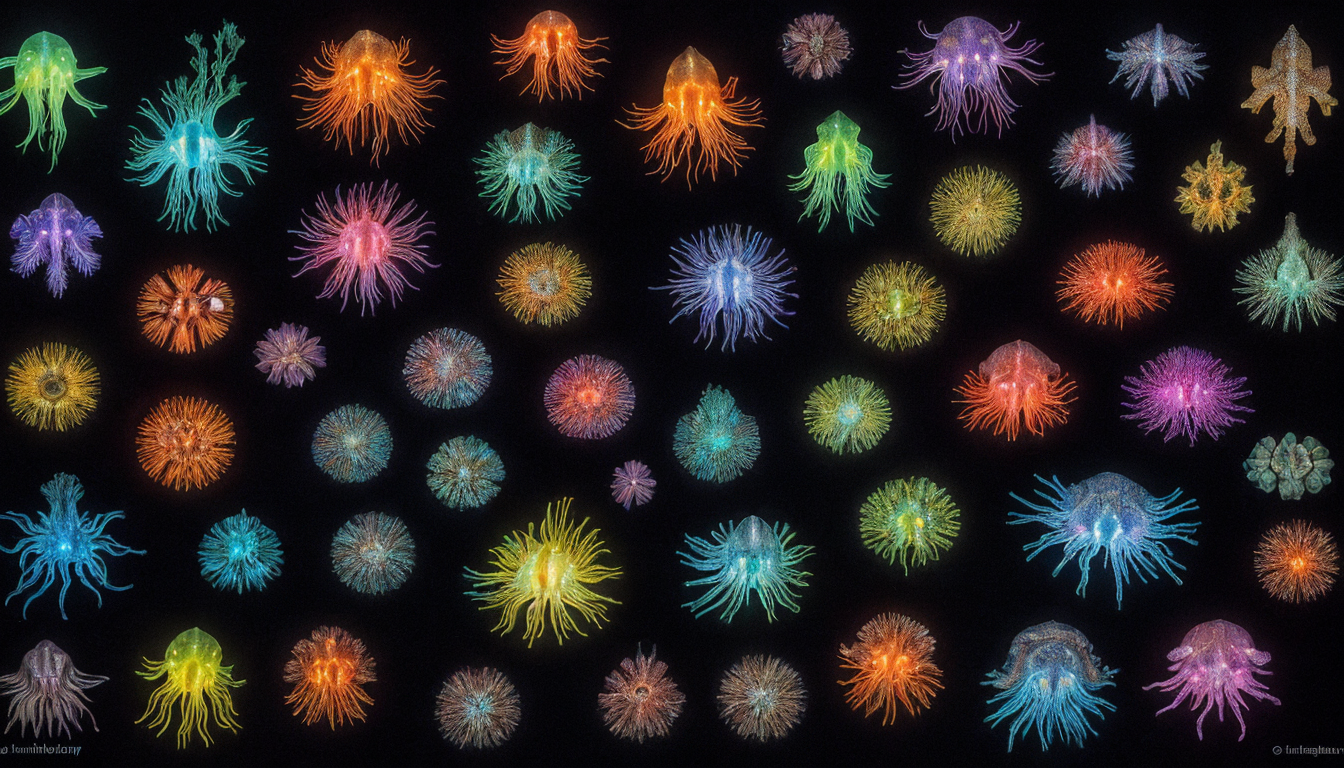
Bioluminescent deep-sea creatures are among the most fascinating and mysterious inhabitants of Earth's oceans. Their ability to produce light in the darkness has puzzled scientists for centuries, leading to numerous studies that have shed light on their unique evolutionary history. This article explores the origins and evolution of bioluminescence in the deep sea, tracing its development through various scientific disciplines.
TL;DR
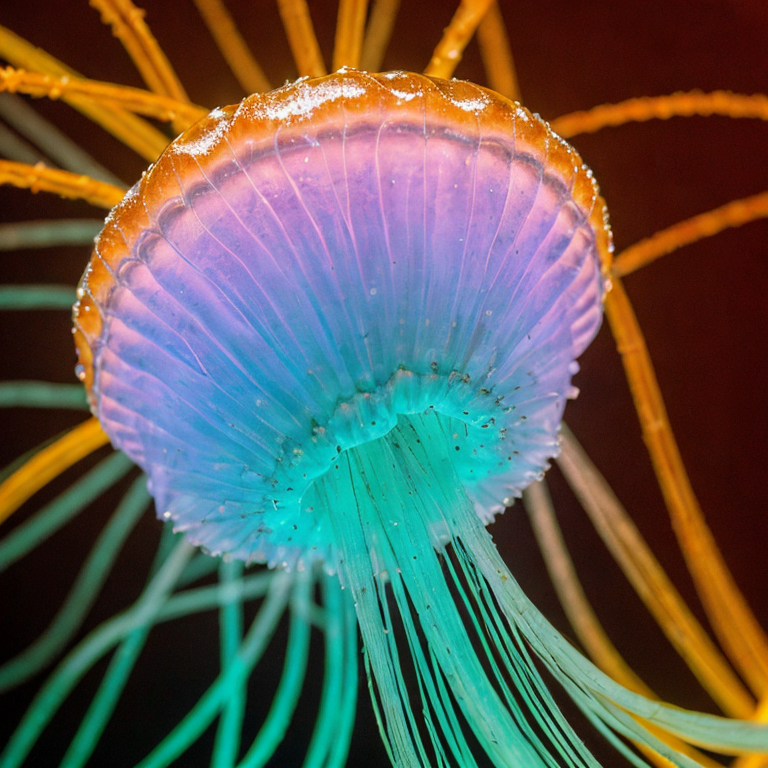
- Bioluminescent organisms use chemical reactions to produce light.
- The dark depths of the ocean spurred the evolution of bioluminescence as a survival strategy.
- Bioluminescent creatures have evolved complex mechanisms for communication and predation.
- Scientists continue to discover new species with novel bioluminescent traits.
History of Deep Sea Lights
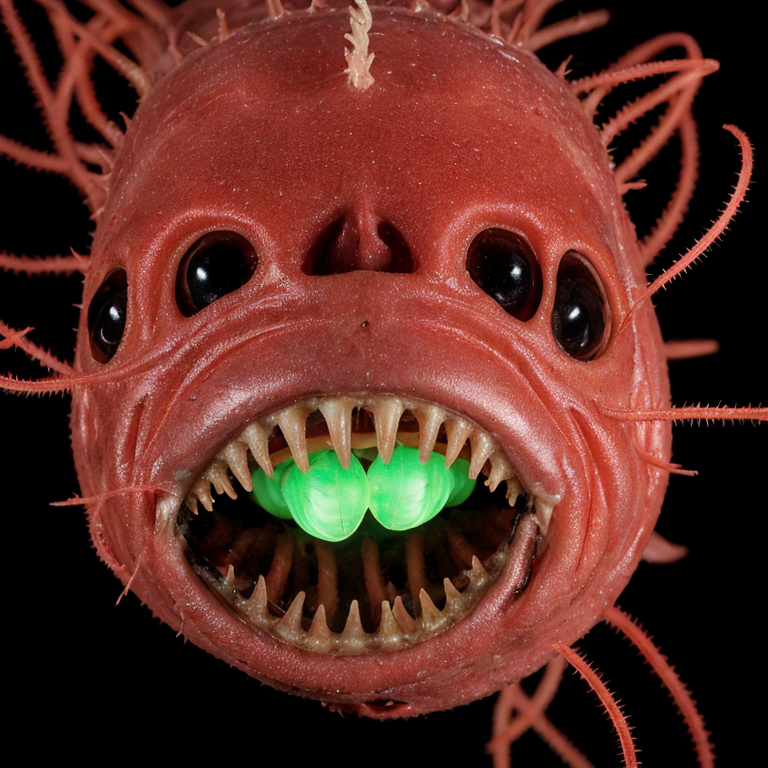
The study of deep-sea bioluminescence began in earnest during the early 20th century, when oceanographers like William Beebe and Otis Barton developed technologies that allowed them to explore the abyssal zone. These pioneers observed a myriad of glowing creatures and recognized the potential for scientific research.
Early Observations
The first recorded observations of bioluminescence date back to ancient times, with Aristotle noting luminous phenomena in the sea. However, systematic studies began only after technological advancements enabled deeper exploration. Beebe's early expeditions aboard the bathysphere in the 1930s provided some of the earliest visual records and descriptions of deep-sea bioluminescent organisms.
Technological Advances
Advancements in submersible technology and imaging techniques have greatly facilitated the study of bioluminescence. Modern research vessels equipped with high-resolution cameras and robotic arms allow scientists to capture detailed images and videos of these elusive creatures, providing insights into their behaviors and interactions.
Evolutionary Origins
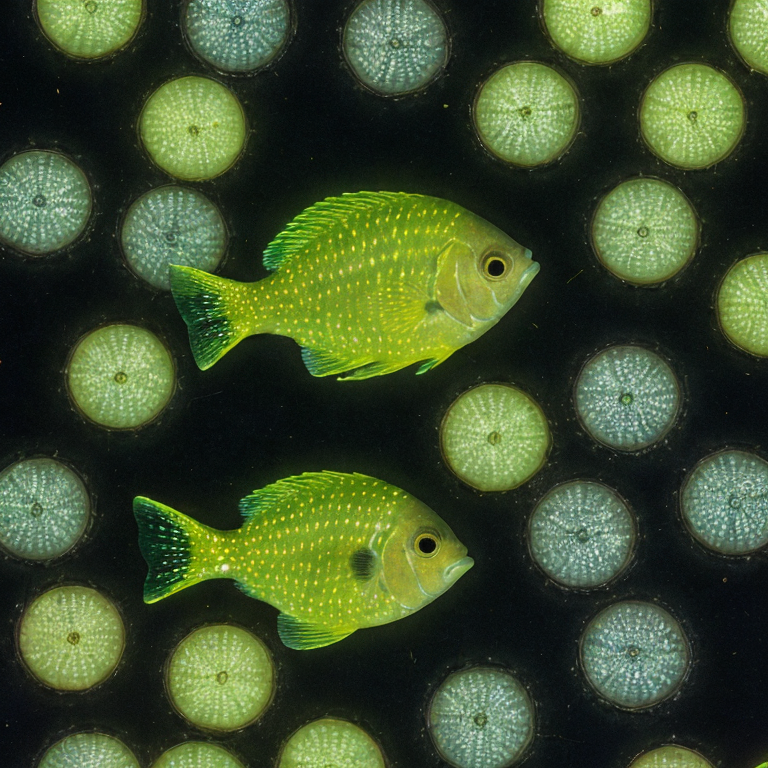
Bioluminescence evolved independently multiple times across various marine lineages, highlighting its adaptive value in deep-sea environments. Understanding the evolutionary history requires delving into genetics and comparative biology.
Independent Evolution
The phenomenon of bioluminescence has arisen over 40 separate times throughout the tree of life, with each instance involving different biochemical pathways. This independent evolution suggests that bioluminescence provides significant advantages for survival in dark waters.
Genetic Basis
Recent genomic studies have revealed specific genes and regulatory elements involved in the production of light-emitting compounds. By comparing these genetic sequences across species, researchers can trace the evolutionary relationships and identify key adaptations.
Unique Adaptations for Darkness
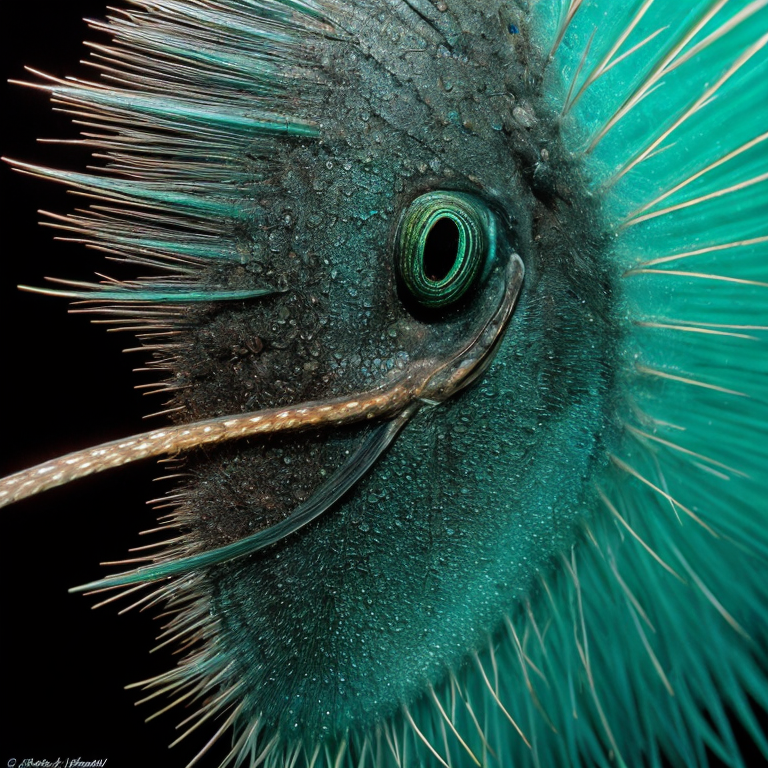
Living in complete darkness poses numerous challenges to marine organisms. Bioluminescent creatures have developed an array of specialized features to thrive under such conditions.
Communication
Light serves as a medium for communication in the dark depths where sound waves are less effective due to water density variations. Many bioluminescent species use flashes or continuous glows to signal potential mates, rivals, or prey.
Predation and Defense
Predatory strategies often involve luring unsuspecting victims with bright displays, while defensive mechanisms may include confusing predators with sudden bursts of light. Some organisms even employ counter-illumination, where they match the ambient downwelling light to become invisible against a dark background.
Cultural Significance
Beyond scientific interest, bioluminescent creatures have captured human imagination for millennia, inspiring myths, art, and literature.
Myths and Legends
Ancient cultures often attributed divine or supernatural qualities to glowing marine life. For instance, the ancient Greeks believed that the light emanating from certain fish was a manifestation of celestial fire sent by Poseidon.
Artistic Inspiration
The ethereal beauty of bioluminescent organisms has inspired countless artists across various mediums. Paintings, sculptures, and digital artworks often depict these creatures in mesmerizing scenes reminiscent of otherworldly realms.
Misconceptions About Bioluminescence
Despite growing knowledge, several misconceptions persist regarding the nature and function of deep-sea bioluminescence.
Common Myths Debunked
A prevalent myth is that all marine organisms are bioluminescent. In reality, less than 10% of known species possess this trait, concentrated mostly among planktonic creatures and certain fish groups.
Misunderstood Functions
Another misconception involves attributing too much intelligence or intentionality to the light displays of deep-sea animals. While these behaviors serve specific biological purposes, they do not necessarily reflect conscious decision-making akin to human cognition.
Conclusion
The strange history of bioluminescent deep-sea creatures reveals a complex interplay between environmental pressures and evolutionary innovation. As technology continues to advance, our understanding of these enigmatic organisms will undoubtedly deepen, offering new insights into the mysteries that lie beneath the ocean's surface.
As an Amazon Associate, The Weird Report earns from qualifying purchases. Product links above are suggestions related to this article; they don't affect what we write.