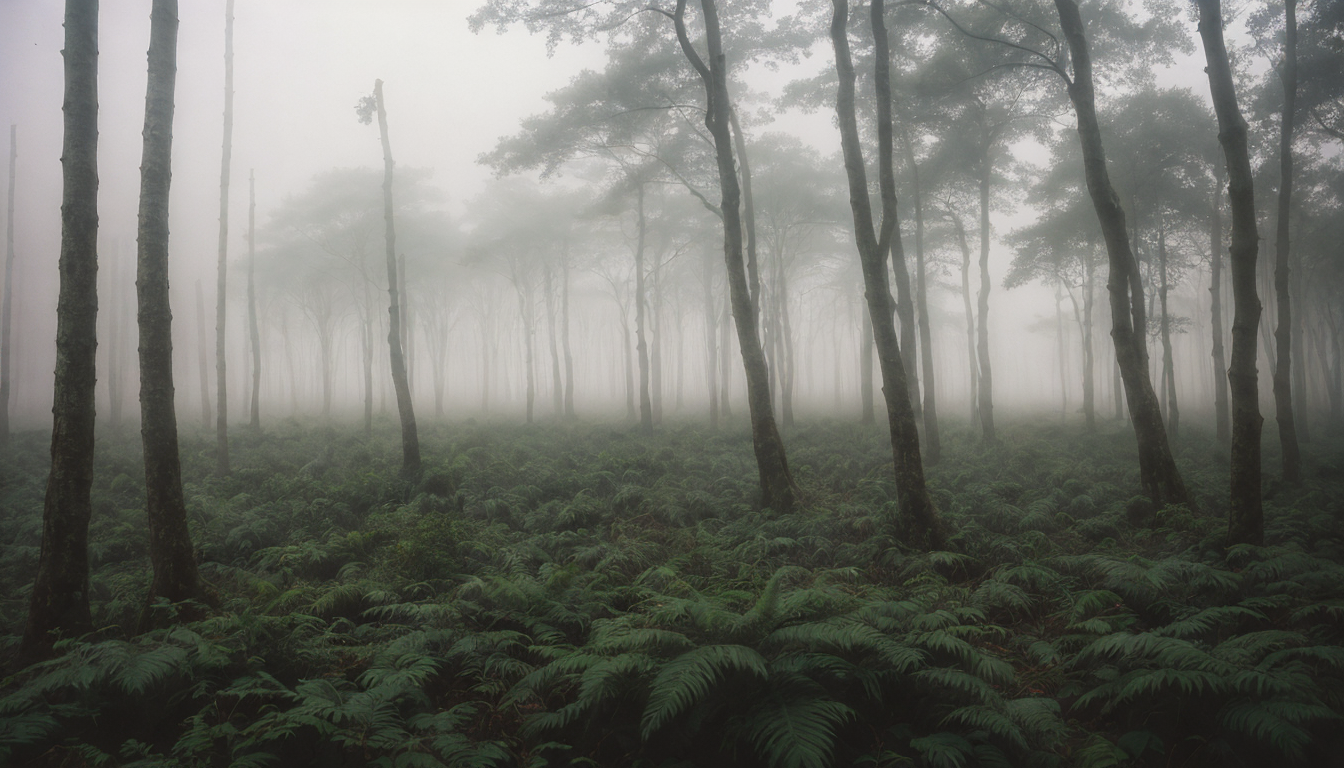
Bigfoot's global cousins are making waves in the cryptozoological community, with each hairy hominid claiming its spot on the map. From North America’s well-known Bigfoot to Australia’s Yowie and Indonesia’s Orang Pendek, these legends span continents and captivate locals and tourists alike. While many regions boast tales of their own wild men lurking in forests, none have delivered a definitive body or skeleton. So join us as we explore the real history behind each legend, sift through the best evidence available, and give you an honest verdict on whether these creatures are more myth than monster.
TL;DR
- Skunk apes in Florida may actually be misidentified black bears.
- The Fouke Monster gained fame from the 1972 film "The Legend of Boggy Creek."
- Yowie sightings in Australia are often dismissed as exaggerations or misidentifications.
- Orang Pendek, a small primate reported in Sumatra, lacks confirmed evidence.
Skunk Ape Stinks Out Florida

The Everglades and its murky swamps have their own resident legend: the skunk ape. This hair-covered humanoid supposedly roams the wetlands with an odour to match its name - something you'd rather not get a whiff of. In 2000, two photos of what looked like an apelike creature were sent to the local sheriff's office in Sarasota County and promptly shared far and wide. But no one ever managed to authenticate these images.
Boffins suggest that many sightings might actually be misidentified black bears. Florida’s swamps are home to a thriving bear population, which could easily be mistaken for something more mythical when spotted at dusk or dawn through the thick foliage. So while skunk apes remain on the radar of cryptozoologists, it's probably best to blame any strange smells and sightings on our furry, four-legged friends.
The Fouke Monster Shocks Arkansas
In May 1971, a family in Fouke, Arkansas, made headlines when they reported that a large, hairy creature had reached through a window of their home. The incident sparked widespread fear and fascination.
The monster gained cult fame thanks to "The Legend of Boggy Creek," a pseudo-documentary released in 1972. The film became a surprise hit at drive-ins, cementing Fouke's reputation as a hotbed for hairy hominid sightings. While many attribute the creature's existence to folklore and hoax accounts, others remain convinced that something truly strange roamed the swamps of Arkansas.
Today, the legend lives on, with enthusiasts debating whether it's all hype or if there might be a grain of truth lurking in the shadows.
The Yowie: Down Under's Hairy Hitchhiker
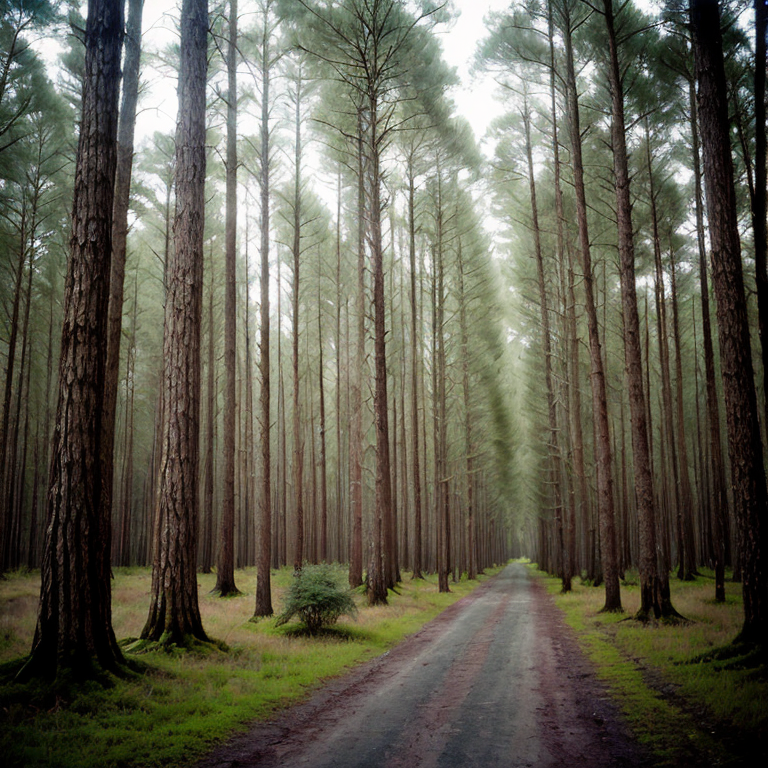
The yowie, a mysterious creature reported across eastern Australia, sounds like something out of a bad B-movie - big, hairy, and allegedly lurking in forests and mountains. According to local lore, the name "yowie" might come from Aboriginal languages, though its exact origin remains fuzzy. For cryptozoologists and believers, the yowie offers a tantalizing mystery: a large primate in a country where no such apes naturally exist. Researchers argue this makes the legend difficult to reconcile with science. While some claim eyewitness accounts are proof of an undiscovered species, others see these tales as exaggerations or misidentifications of known animals.
So, is there a real yowie out there? Or just a hairy tale? You decide!
Orang Pendek: Sumatra's Tiny Terror

You’ve heard of Bigfoot and Yeti, but have you met the Orang Pendek? The name means 'short person' in Indonesian, and it is described as a small, upright, hairy ape-like being living in the forests of Sumatra, including Kerinci Seblat National Park.
Researchers aren’t laughing it off entirely either. The discovery of Homo floresiensis on nearby Flores showed that small human relatives existed in Indonesia until around 50,000 years ago. But despite decades of expeditions and countless reports, no hair samples or footprints have been confirmed as belonging to the Orang Pendek.
So is this just another case of wishful thinking, or could there really be a lost ape hiding out in Sumatra’s jungles? The jury’s still out, but it sure makes for an intriguing mystery.
The Mapinguari: Amazon's Smelly Sloth?
Deep in the Amazon rainforest lurks a legend that gives Bigfoot a run for its money: the mapinguari. This hairy horror is said to be massive, stinky, and decidedly un-human-like. Amazon folklore describes it as a huge, shaggy, foul-smelling creature of the forest.
Cryptozoologists like to throw their hats in the ring by suggesting that the mapinguari might just be a lingering memory of giant ground sloths - creatures thought to have roamed South America until around 10,000 years ago. These prehistoric behemoths were no joke: some weighed several tonnes and could easily give today’s sloths an evolutionary reality check.
So, is the mapinguari just a hairy ghost of days gone by? Or does it lurk in the shadows, waiting to remind us that not all legends are made up? Researchers aren’t ready to rule out either option yet.
The Verdict: Tall tale territory (2/10)
So you’ve got your map dotted with Bigfoots, Yetis, and Yowie creatures from coast to coast. But let’s be real: when every continent has its own “wild man,” it starts to feel like we’re spotting the same guy in different countries. The evidence is pretty scant - no bodies, no bones, nada that science can get a grip on. And with all those pesky bears and monkeys out there playing dress-up as Bigfoot wannabes, you’ve got to wonder if these stories are more about our imagination than actual hairy giants stomping around the woods.
So here’s the verdict: it’s 2/10 Tall tale territory. If you’re out for a hike and see something that looks like it belongs in a monster movie, chances are it’s just nature playing tricks on your eyes - and maybe your heart too. Keep exploring, but keep your wits about you!
The Weird Report Cryptid Desk treats legends as legends: the history above is documented, the verdict is our own opinion, and no creature here has been confirmed by science.
As an Amazon Associate, The Weird Report earns from qualifying purchases. Product links above are suggestions related to this article; they don't affect what we write.


