
Megalodon, the prehistoric monster shark with fossil teeth more than 7 inches long? Yeah, it's all real - but it went extinct millions of years ago. No need to board up the windows just yet. We're here to separate fact from fiction and tell you why those megalodon jaws aren’t snapping shut on any modern-day swimmers. Join us as we dive into the history of this giant, examine the evidence, and give you the honest verdict.
TL;DR
- Megalodon: The Monster Shark Lives was a fictional documentary aired in 2013 during Discovery Channel’s Shark Week.
- Fossils of megalodon teeth were first correctly identified as shark teeth by Danish scientist Nicolas Steno in 1667.
- No megalodon tooth younger than about 3.6 million years has ever been found.
- A living giant shark would leave bite marks on whales, teeth on beaches and plenty of sightings, and none have turned up.
Megalodon's Fake TV Revival
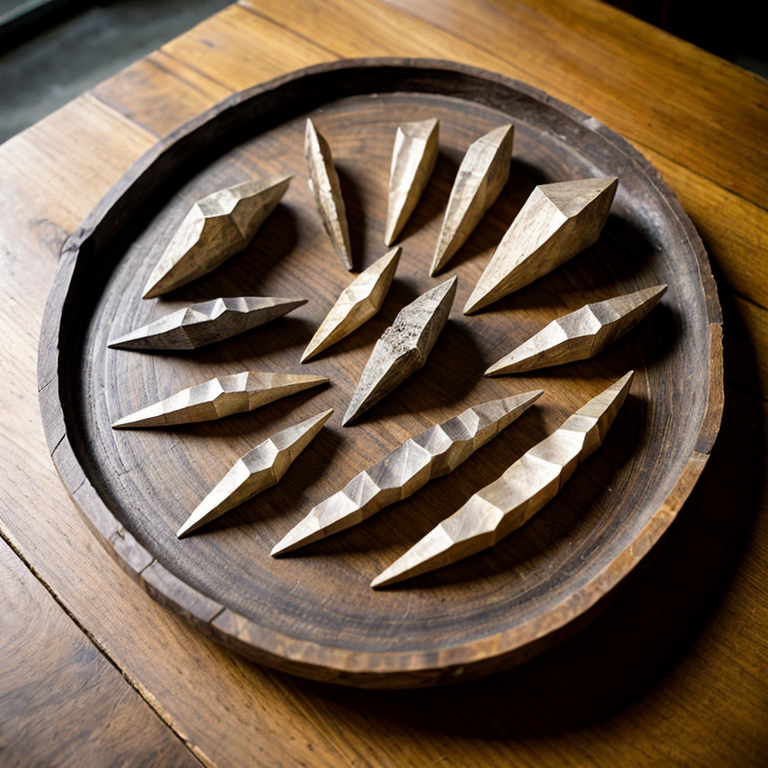
In 2013, the Discovery Channel opened Shark Week with a programme called Megalodon: The Monster Shark Lives. It was billed as the real deal but turned out to be a fictional documentary filled with invented 'evidence' that the megalodon shark still roamed the oceans. Millions watched, and many viewers believed it.
The megalodon’s real history is just as fascinating: its fossil teeth were once thought to be the petrified tongues of dragons. In 1667, Danish scientist Nicolas Steno compared them with the teeth of a great white shark and concluded they were shark teeth.
Teeth Tell Tales?

You know how some conspiracy theories go down like a bad fish? Well, megalodon survival is one such stinker. Back in the 1870s, the HMS Challenger expedition dredged up megalodon teeth from the ocean floor. A manganese coating on the teeth was once claimed as evidence that they were only thousands of years old - nowhere near extinct! But no megalodon tooth younger than about 3.6 million years has ever been found. So, while it's fun to imagine giant sharks patrolling the seas today, the evidence is pretty solidly against it.
Deep Blue Debunked

A living population of such a huge predator would leave bite marks on whales, teeth on beaches and plenty of sightings. Sonar, satellite tags, fishing nets and whale carcass studies would have found a living 15-metre shark by now, and none has. Megalodon also needed warm, shallow nursery areas to raise its young, such as one found in Panama. As oceans cooled and prey changed, those areas may have shrunk, and the species died out. It’s time to retire the myth of a lurking prehistoric beast.
Shark Science Strikes Back

Megalodon was a real giant that lived from roughly 23 million to 3.6 million years ago. Most estimates put it at roughly 15 to 20 metres (50 to 65 feet) long, several times the length of an average great white. The great white is a real giant of today, growing to around 6 metres (20 feet) in the largest reports. Megalodon’s extinction may have been caused by cooling oceans, shrinking numbers of prey whales and competition from other predators, including big sperm whales that hunted other whales. So while the TV show may have had you seeing double, science says it's time to let this old toothy tale bite the dust.
The Verdict: Extinct for millions of years (1/10)
So, there you have it: megalodons are extinct for millions of years, earning them a rock-solid plausibility rating of 1/10. No need to break out the snorkels just yet. The idea of a giant shark lurking in our oceans is thrilling, but the fossils and the missing evidence tell a different story. If you want to meet megalodon, a museum with a row of its enormous fossil teeth is the place to do it!
A note from the Cryptid Desk: we play the legend for laughs but the dates and facts are straight. Our plausibility rating is opinion, not science.
As an Amazon Associate, The Weird Report earns from qualifying purchases. Product links above are suggestions related to this article; they don't affect what we write.