
How Pando's Clones Talk: World’s Oldest Living Organism Communication
TL;DR
- Pando is the world’s oldest living organism, comprising a single genetic individual with multiple stems spread over 43 hectares.
- Communication within Pando involves chemical signals and electrical impulses to coordinate growth, defense against threats, and resource distribution among its clones.
- Pando's underground root system facilitates rapid communication across vast distances, ensuring synchronized responses to environmental changes.
- Research on plant communication continues to uncover more about how trees share information through their roots and leaves, contributing to the survival of entire ecosystems.
- Understanding Pando’s communication methods provides insights into the ecological role of clonal colonies in maintaining biodiversity and resilience against climate change.
Introduction
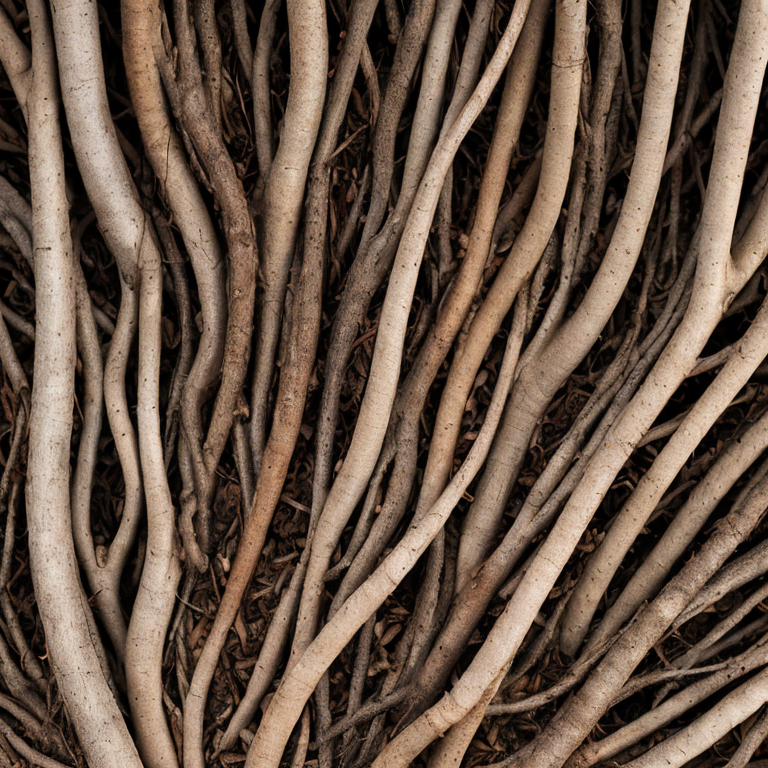
Pando (Latin for "I Spread"), located in Fishlake National Forest, Utah, is a unique grove of quaking aspen trees that collectively form what is believed to be the oldest living organism on Earth. This genetically identical group of trees spans over 43 hectares and has an estimated age exceeding 80,000 years. Pando’s longevity and resilience are attributed not only to its physical attributes but also to a sophisticated communication network among its clones.
Understanding Plant Communication

Chemical Signals: The Language of Plants
Plants communicate through various chemical signals known as pheromones and allelochemicals. These compounds can influence the growth, development, and behavior of other plants in their vicinity. For instance, when one part of Pando detects a threat like insect infestation or drought conditions, it releases volatile organic compounds (VOCs) that warn neighboring parts to prepare for potential harm.
Electrical Impulses: Rapid Response Systems
In addition to chemical signals, plants also use electrical impulses to communicate swiftly within their systems. When leaves detect environmental stressors such as mechanical damage or pathogen attack, they generate action potentials similar to nerve impulses in animals. These electrical signals travel rapidly through the plant’s tissues and roots, triggering defensive mechanisms across the entire clonal colony.
The Unique Case of Pando

Historical Context: Discovery and Naming
The existence of Pando was first recognized by botanist Burton V. Barnes in 1976 during a study on aspen genetics. Later research confirmed that what appeared to be separate trees were actually interconnected through their root systems, forming a single genetic individual. The name "Pando" was coined to reflect the tree's expansive nature and its ability to spread widely while maintaining genetic unity.
Ecological Role: Maintaining Biodiversity
Pando’s clonal structure plays a crucial role in preserving biodiversity within its habitat. By sharing resources and coordinating defense strategies, Pando can maintain ecological balance against invasive species and environmental stressors more effectively than isolated trees. This interconnectedness ensures that the entire colony adapts collectively to changing conditions.
Communication Networks Within Clonal Colonies
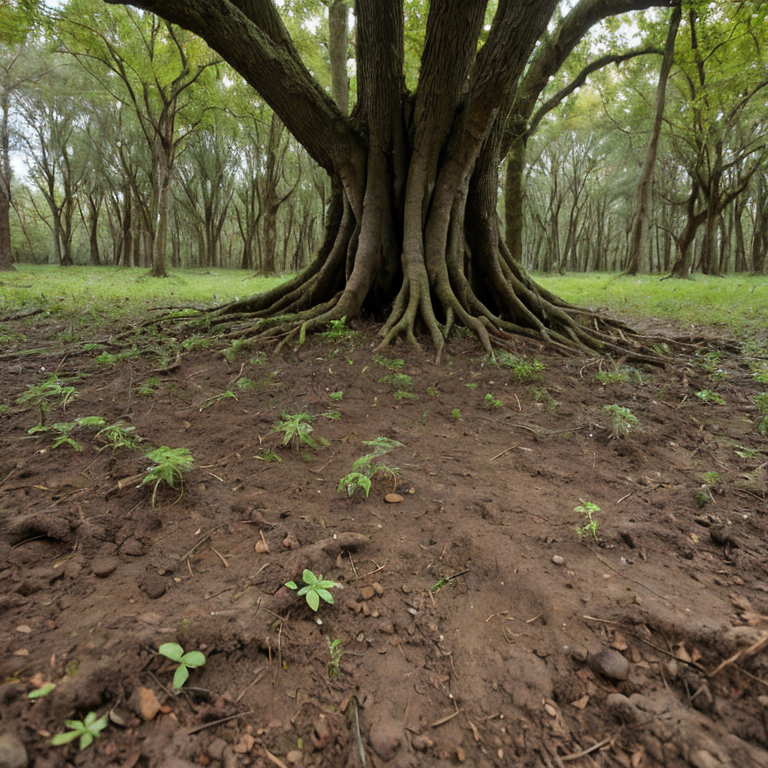
Underground Root Systems: The Internet of Plants
The vast network of roots beneath Pando’s surface serves as a communication highway. These roots exchange chemical signals and electrical impulses, enabling rapid coordination among distant parts of the tree. For example, if one stem detects moisture or nutrient availability, it can relay this information to other stems through its root connections.
Above-Ground Connections: Leaf-to-Leaf Communication
While much attention is given to underground communication, above-ground interactions are equally important. Leaves emit volatile organic compounds that can be detected by neighboring plants, including those within Pando’s network. This aerial exchange helps in synchronizing growth patterns and enhancing overall resilience against environmental challenges.
Cultural Significance and Scientific Research
Public Awareness: A Symbol of Nature's Resilience
Pando has become a symbol of nature’s ability to adapt and persist over millennia. Its story is often featured in educational materials and documentaries, inspiring both scientists and the general public about the complexity and interconnectedness of plant life.
Ongoing Studies: Unveiling Plant Communication Secrets
Scientists continue to explore how plants like Pando communicate with each other and their environment. Recent studies focus on understanding the mechanisms behind long-distance signaling, the role of specific chemicals in communication, and the genetic underpinnings that enable clonal colonies to function as cohesive units.
Conclusion: Insights for Future Research
The study of Pando’s unique communication methods offers valuable insights into how plants interact within their ecosystems. By unraveling these complex networks, researchers can better understand the ecological roles played by ancient clonal organisms and develop strategies to protect them against threats such as climate change and habitat destruction. The ongoing research on plant communication not only enhances our appreciation of nature's resilience but also provides practical applications for conservation efforts worldwide.
Through continued exploration of Pando’s interconnectedness, we gain a deeper understanding of the intricate balance that sustains life in diverse ecosystems. This knowledge is crucial for developing sustainable practices that support both the longevity of ancient organisms like Pando and the health of our planet as a whole.