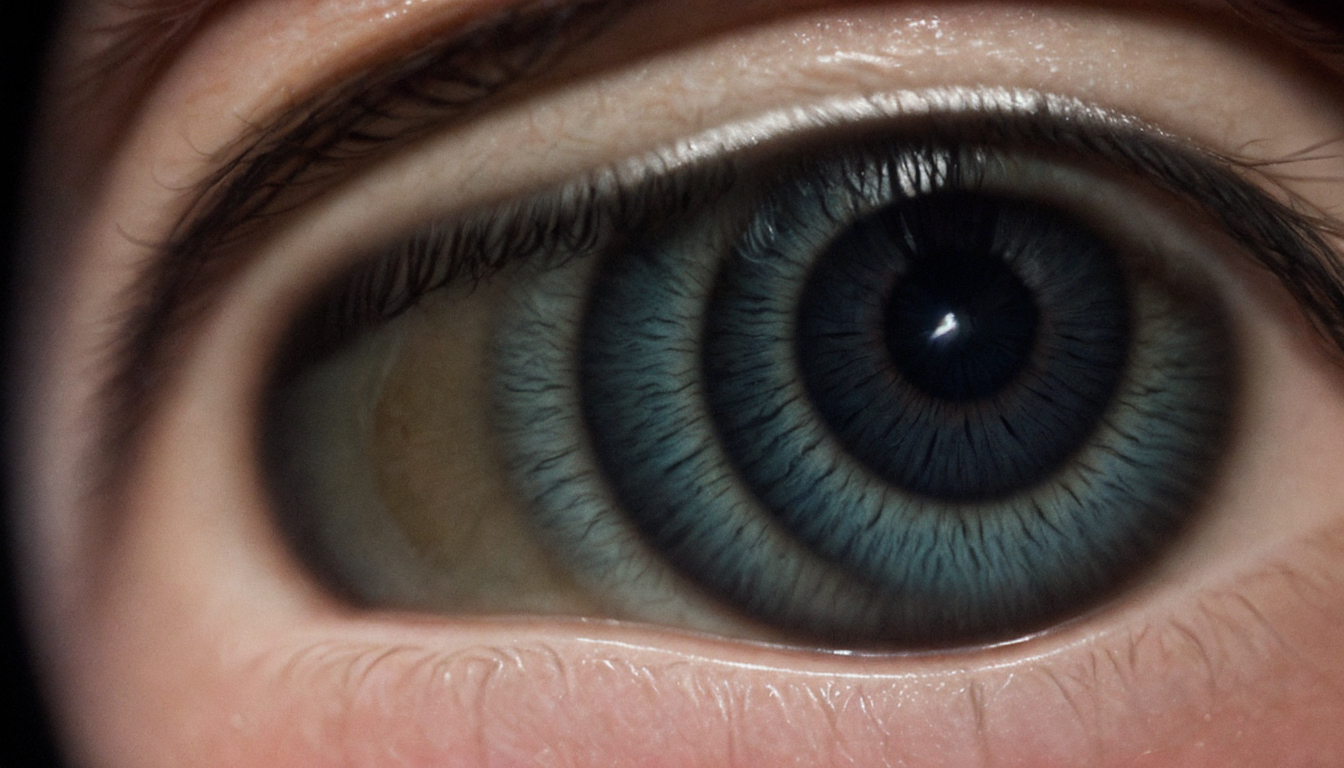
Why Do Some People See Flashing Lights in Their Vision?
Seeing flashes of light before your eyes can be alarming and mysterious. This phenomenon is more common than you might think, with several scientific explanations rooted in ophthalmology. From sudden impacts to age-related changes in the eye, understanding why these lights appear can provide peace of mind.
TL;DR

- Flashing lights in vision are often caused by physical impacts or retinal issues.
- Eye floaters and flashes frequently occur together due to vitreous detachment.
- Retinal tears or detachments require immediate medical attention if accompanied by flashing lights.
- Flashes can also be a result of migraines, especially visual aura migraines.
- Regular eye exams are crucial for early detection and prevention.
The Science Behind Flashing Lights

Seeing flashes in your vision is medically referred to as photopsia. These perceived bright spots or streaks of light typically occur due to physical stimuli affecting the retina or optic nerve. Understanding the underlying mechanisms can help clarify when these occurrences should be a cause for concern.
Retinal Detachment and Vitreous Humor
The most common cause of flashing lights is retinal detachment, which often occurs alongside eye floaters. The vitreous humor, a gel-like substance inside the eyeball, shrinks with age, detaching from the retina. This separation can tug on the retina's surface, causing photopsia.
Migraine-Related Flashes
Another common cause is migraines, particularly visual aura migraines. During an aura phase of a migraine, individuals may experience various visual disturbances, including flashing lights and zigzag patterns. These phenomena precede or accompany severe headaches for some sufferers but can also occur without the headache component.
Physical Impact on the Eye
Blows to the head or direct hits to the eye can result in flashes due to sudden pressure changes within the eye. The impact causes fluid displacement, leading to a temporary disruption of visual signals and perceived flashes.
Historical Context and Early Research

The study of photopsia dates back centuries as scientists have sought to understand various ocular phenomena. Early research focused on identifying conditions that could cause these disturbances in vision, laying groundwork for modern diagnostic techniques.
Ancient Observations
Historical texts from ancient Greece and Rome describe symptoms similar to those we now recognize as retinal detachment or migraines with auras. These early descriptions highlighted the importance of visual disturbances as potential indicators of serious health issues.
Scientific Breakthroughs
In the 20th century, advancements in ophthalmology led to better understanding and diagnosis of conditions causing photopsia. Techniques such as fundus photography and optical coherence tomography (OCT) have revolutionized how doctors detect and treat retinal problems early on.
Cultural and Social Implications
The experience of seeing flashes can vary widely across cultures, influenced by local beliefs about health and the body. In some societies, these symptoms might be attributed to supernatural causes rather than medical explanations.
Beliefs Across Cultures
In many traditional belief systems, unusual visual phenomena are linked with spiritual or paranormal experiences. Such beliefs can delay seeking proper medical care if individuals perceive their condition as beyond scientific understanding.
Media Representation and Public Awareness
Modern media often portrays photopsia in dramatic contexts, sometimes exaggerating its severity to enhance storytelling. This portrayal can both raise awareness about eye health issues and mislead viewers regarding the true nature of these symptoms.
Misconceptions About Flashing Lights
Several myths persist around why people see flashes before their eyes, complicating efforts towards accurate self-diagnosis and timely medical intervention.
Myth: Flashes Always Indicate Retinal Detachment
While retinal detachment is a serious condition causing photopsia, not all instances of flashing lights indicate this specific issue. Other causes like migraines or minor physical impacts can also produce similar symptoms.
Myth: Eye Floaters Cause Flashing Lights
Although eye floaters and flashes often co-occur due to vitreous detachment, the presence of floaters alone does not guarantee photopsia will follow. Understanding their relationship requires recognizing that both symptoms stem from changes within the eyeball structure.
Myth: Flashes Are Always a Sign of Eye Disease
Flashing lights can occur in healthy individuals under certain circumstances like rapid eye movement (REM) sleep or focusing intensely on visual tasks. Distinguishing between benign occurrences and those requiring medical attention is crucial for proper care.
Conclusion
Seeing flashes before your eyes can be unsettling, but understanding the underlying causes helps alleviate anxiety. Whether due to retinal issues, migraines, or physical impacts, these symptoms warrant careful consideration. Regular eye exams are essential for early detection of potential problems, ensuring you maintain optimal vision health throughout life.