The Cardiff Giant, the ten-foot stone man that workers dug up on a New York farm in 1869, isn’t quite the archaeological treasure it seemed to be. Was it proof of the giants mentioned in Genesis? Or was it something more down-to-earth, like a cigar maker's hoax gone viral? Dive into the story behind this legendary hoax, find out how an argument with a clergyman led to a nationwide sensation, and discover what really lies beneath the surface.
TL;DR
- Workers digging a well found a huge stone figure on a farm in Cardiff, New York, on 16 October 1869.
- Cigar maker George Hull was behind it, after an argument with a clergyman about the giants in Genesis.
- Hull confessed on 10 December 1869, and a court case in February 1870 revealed that both the original and P. T. Barnum’s copy were fakes.
- The Cardiff Giant is now displayed at the Farmers' Museum in Cooperstown, New York.
A Ten-Foot Stone Man Emerges
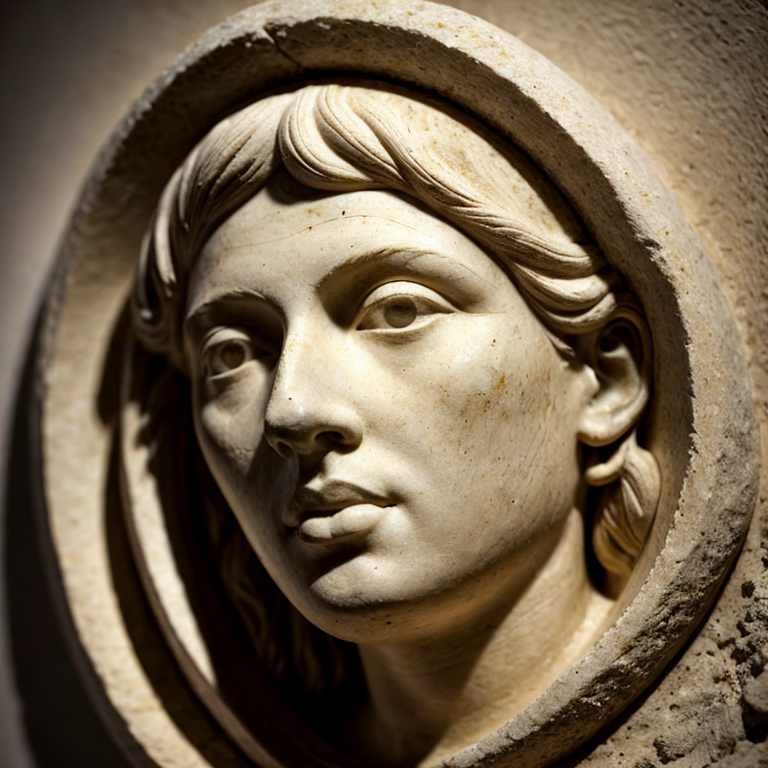
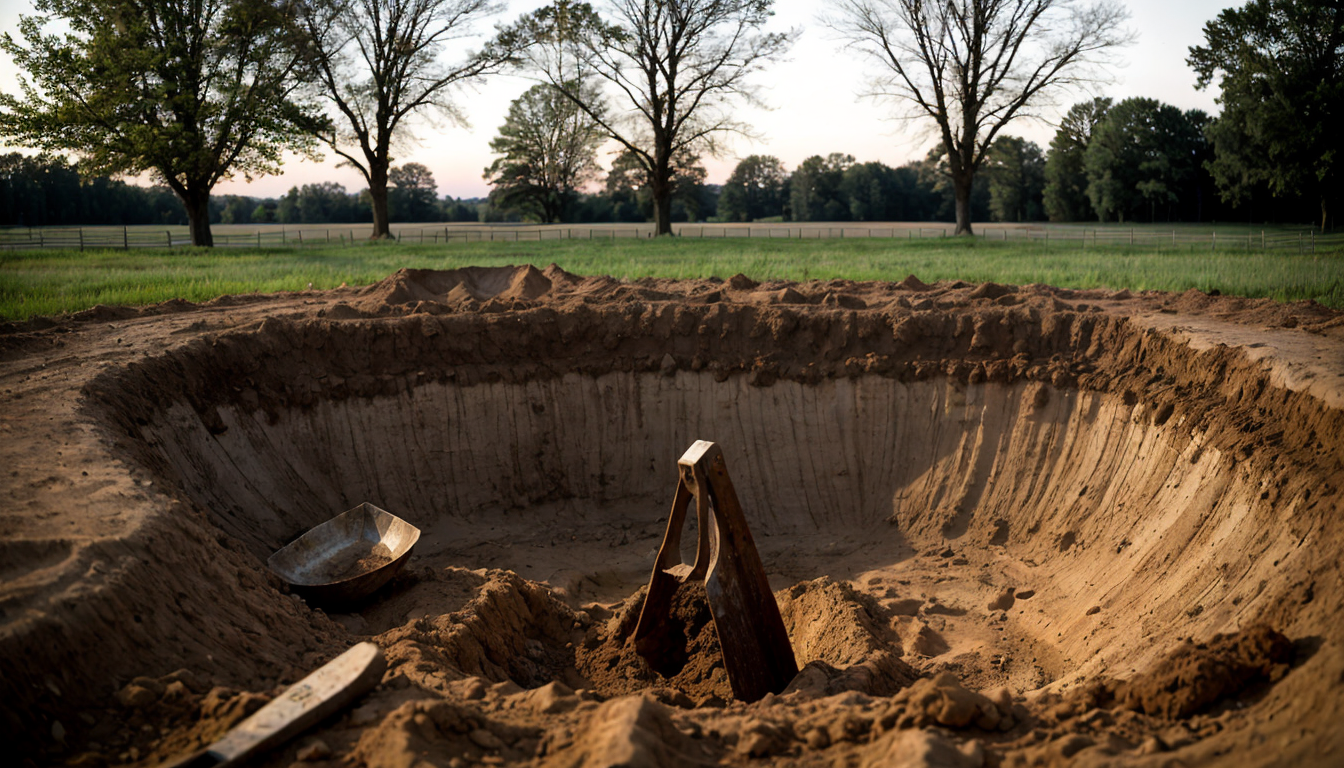
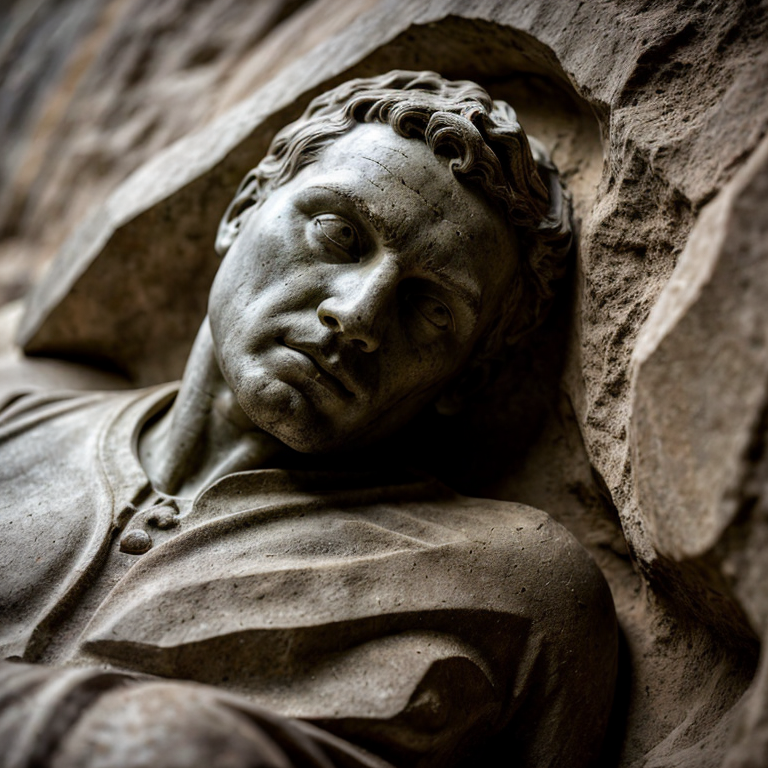
On 16 October 1869, workers digging a well on a farm in Cardiff, New York, unearthed what looked like a huge stone man, about 10 feet (3 metres) tall, lying on his back.
It was the creation of cigar maker George Hull, who had argued with a clergyman about the line in Genesis 6:4 that says “there were giants in the earth in those days”. He had the figure carved from gypsum and buried on his cousin’s farm a year earlier. Crowds paid 50 cents to see it, and local newspapers and some scientists argued it was an ancient statue or a petrified man.
The showman P. T. Barnum offered a huge sum to lease it, was refused, and made his own copy, which he billed as the real thing. On 10 December 1869 Hull confessed. In February 1870 a court case, brought when the giant’s owners sued Barnum for calling it a fake, revealed that both giants were fakes. The original now rests at a museum in Cooperstown, New York.
Boffins Bust the Giant
Yale palaeontologist O. C. Marsh quickly judged the Cardiff Giant a fraud. The giant’s days as a genuine wonder were over.
Giant Skeletons Online

The Cardiff Giant isn’t the only giant that keeps turning up. Photographs of giant human skeletons circulate online, often with claims that the Smithsonian hid them, but the best-known images come from a 2002 Photoshop contest on a website called Worth1000.
Many newspaper stories of ‘giant skeletons’ from the 1800s and early 1900s concerned mastodon or mammoth bones, or were exaggerations. So next time you see a ten-foot skeleton, remember: it’s probably just an overgrown myth.
Could a Giant Be Real?
Not likely, according to real-world science. The tallest verified human, Robert Wadlow of Illinois, reached 8 feet 11 inches (272 centimetres) before dying in 1940, aged 22. His height was caused by a medical condition involving the pituitary gland.
Our ancestors were not taller than us either: skeletons from ancient sites show average heights similar to, or shorter than, today’s. So a ten-foot human has no place in the record, however much people in 1869 wanted to believe in the giants of Genesis.
If You Want to Go Looking
- The Cardiff Giant is on display at the Farmers' Museum in Cooperstown, New York.
Check opening times before you set off, and respect private land and local wildlife.
The Verdict: Hoax, confessed (1/10)
In the end, the Cardiff Giant is a classic case of deception that left its mark on history but never quite made it as a genuine mystery. George Hull confessed in December 1869, and the court case in February 1870 showed that both giants were fakes. As for those online images of giant skeletons, they come from a Photoshop contest, not from ancient giants. So, if you ever come across a tale of colossal bones or hidden Smithsonian secrets, remember: it’s probably just another tall story.
Verdict: 1/10 - Hoax, confessed. Keep your skepticism handy and your sense of humour ready for these grand illusions.
The Weird Report Cryptid Desk treats legends as legends: the history above is documented, the verdict is our own opinion, and no creature here has been confirmed by science.
As an Amazon Associate, The Weird Report earns from qualifying purchases. Product links above are suggestions related to this article; they don't affect what we write.