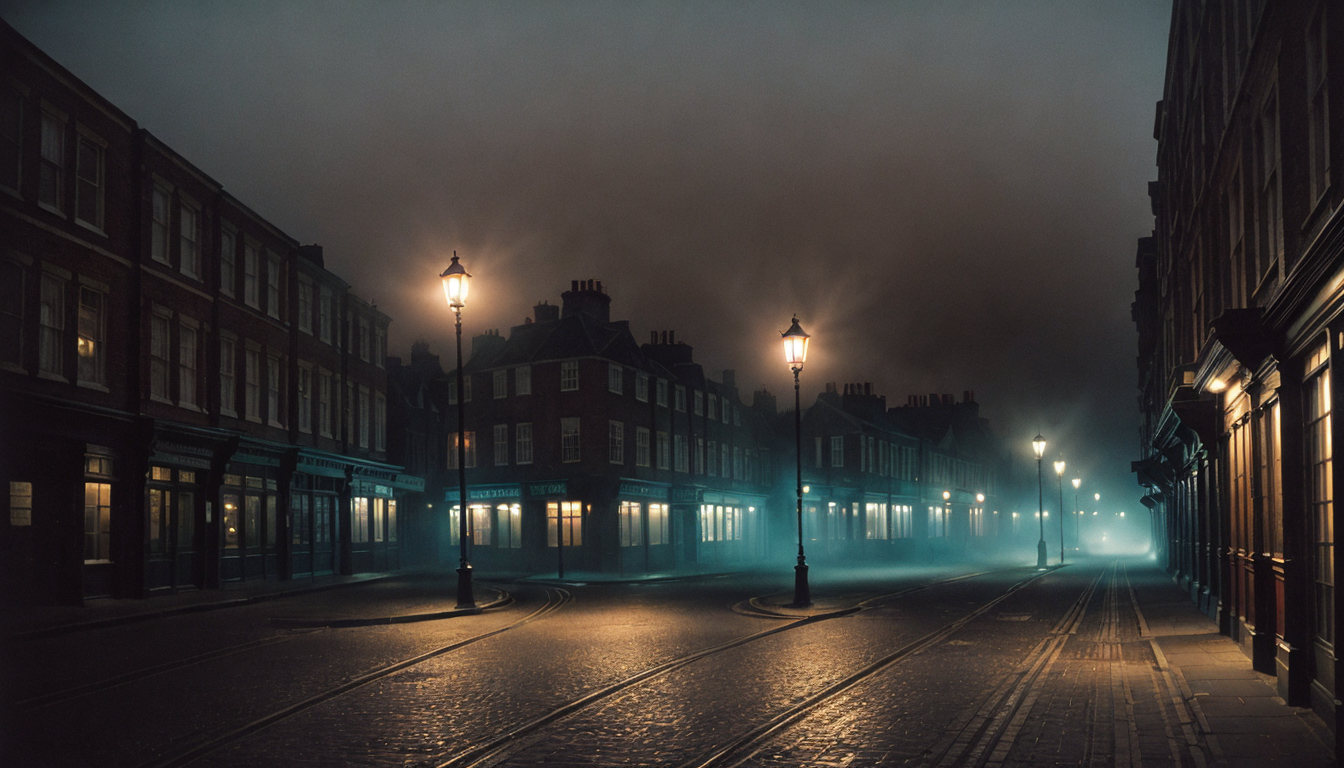
Spring-Heeled Jack, the phantom leaper with a taste for terrorising Victorian London, made his grand debut in 1837, leaving Londoners jumping at shadows. When even the Lord Mayor of London got into the act, reading out a letter at Mansion House about this caped crusader who wasn’t quite saving the day, you knew something was amiss. Join us as we dive into the history, sift through the evidence, and give you our honest verdict on whether Spring-Heeled Jack was more myth than menace.
TL;DR
- Reports of a leaping figure began in London in 1837 and reached the Lord Mayor in January 1838.
- The figure gained notoriety after Jane Alsop said she was attacked in February 1838, followed by widespread panic and sensational media coverage.
- Historians suggest that mass hysteria, pranksters, and sensationalist journalism contributed more than real attacks to the legend's popularity.
- While some accounts may be true, most evidence points to Spring-heeled Jack being a product of Victorian-era urban legends rather than an actual monster.
Jacked Up: London's First Night Stalker

In 1837 and 1838, London was abuzz with tales of a mysterious figure who could leap over walls and frightened people on lonely suburban roads. In January 1838 the Lord Mayor of London, Sir John Cowan, read out a letter at Mansion House from a resident of Peckham complaining of the terror. It was published widely and put the figure in the headlines.
In February 1838, an incident involving 18-year-old Jane Alsop brought Spring-heeled Jack even more attention. She said a man in a cloak, who claimed to be a police officer, came to her family's door in east London, spat blue and white flames and clawed at her. The name 'Spring-heeled Jack' appeared in the press in early 1838, adding a sinister twist to the tale.
From then on, cheap penny dreadfuls sensationalised the figure as a masked adventurer with glowing eyes and metal claws. Though Spring-heeled Jack's legend grew wilder in print, sightings persisted for decades, including an infamous encounter at Aldershot army camp in August 1877, where a sentry claimed to have fired on a leaping phantom that slapped him away unharmed.
Jack's High Jump

The Lord Mayor was sceptical of what he saw as wild exaggerations, but he still ordered police to hunt for the culprit. Meanwhile, reports came in from several London suburbs. Witnesses described a creature that leaped impossibly high, cloaked in darkness, and occasionally spitting flames. The consistent details were eerie: the cloak, the leap, and the fire, but the rest was anyone's guess.
The Truth Behind the Hysteria
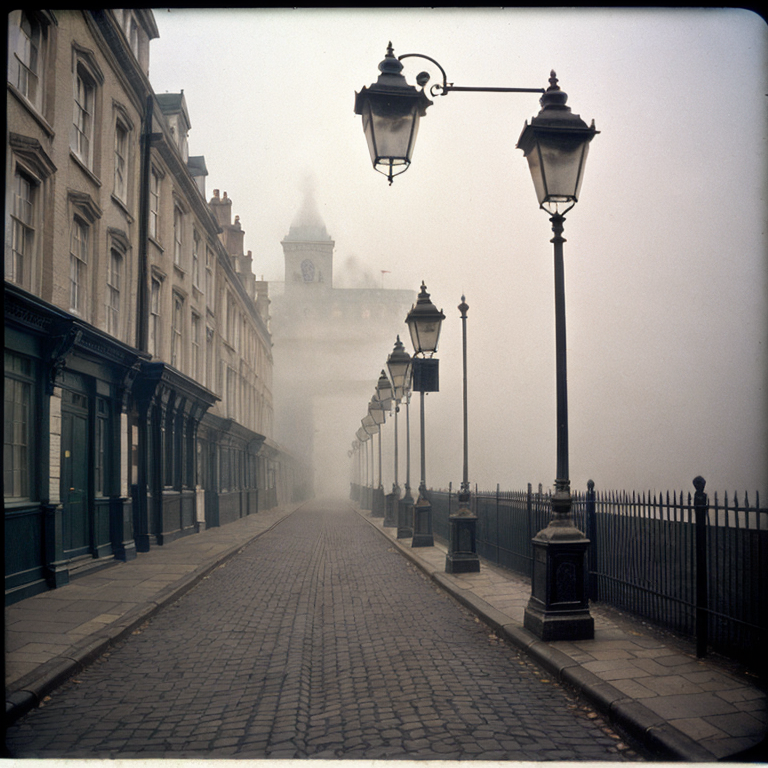
Boffins have dug through old newspapers and archives to piece together Spring-Heeled Jack's story. What they found? A lot of scare stories and a few actual attacks. Most historians agree that the mix of mass hysteria, pranksters, and sensationalist journalism painted an exaggerated picture of a demonic menace on the loose.
There’s one popular suspect: the Marquess of Waterford, known for his naughty pranks. But there's no smoking gun tying him to Jack's alleged crimes. Without hard evidence, we can't blame this nobleman or anyone else for all the reported attacks.
So what really happened? A bit of fear and a lot of fun-poking by London’s early tabloids, it seems.
Could Spring-Heeled Jack Be Real?

Not as a leaping, fire-breathing creature, no. What the era did have was the perfect setting for a rumour.
Victorian London was a fast-growing, gas-lit city with poor street lighting, and mass-circulation newspapers and penny dreadfuls were new in the 1830s. That makes the Spring-heeled Jack panic an early example of a media-fuelled scare.
So while the idea is fun to ponder, the evidence suggests Spring-Heeled Jack was more likely a product of sensationalist media than a real monster.
The Verdict: Tall tale territory (2/10)
Spring-Heeled Jack remains more of a Victorian urban legend than a confirmed creature or conspiracy. Most historians agree that while some attacks may have occurred, many accounts are likely exaggerated by sensationalist newspapers and penny dreadfuls. The mix of mass hysteria and copycat pranks only added fuel to the fire. So, if you’re keeping score at home, this tale rates a solid 2/10 in plausibility territory.
But hey, who needs facts when you can have a good scare? Let’s hope Spring-Heeled Jack decided to take his fiery breath and spring-loaded heels on vacation long ago.
A note from the Cryptid Desk: we play the legend for laughs but the dates and facts are straight. Our plausibility rating is opinion, not science.
As an Amazon Associate, The Weird Report earns from qualifying purchases. Product links above are suggestions related to this article; they don't affect what we write.