
The Thylacine: Extinct by name but alive in the hearts - and minds - of cryptozoology fans worldwide. This real-life Tasmanian tiger, with its stiff tail and dark stripes, is more than just a dusty museum relic; it's the star of countless modern-day ghost stories. But are these sightings backed up by anything tangible? Join us as we dive into the history of this unique marsupial, examine the evidence, and deliver the cold, hard truth about why the thylacine remains elusive.
TL;DR
- The last known captive thylacine died in 1936, and the species was formally declared extinct in the 1980s.
- Over a thousand reported sightings since then have failed to provide tangible evidence of its survival.
- Most recent sightings are likely misidentifications of common animals like foxes and wallabies.
- Despite continued interest, scientific evidence suggests the thylacine is probably extinct.
Tasmanian Tiger: From Predator to Myth
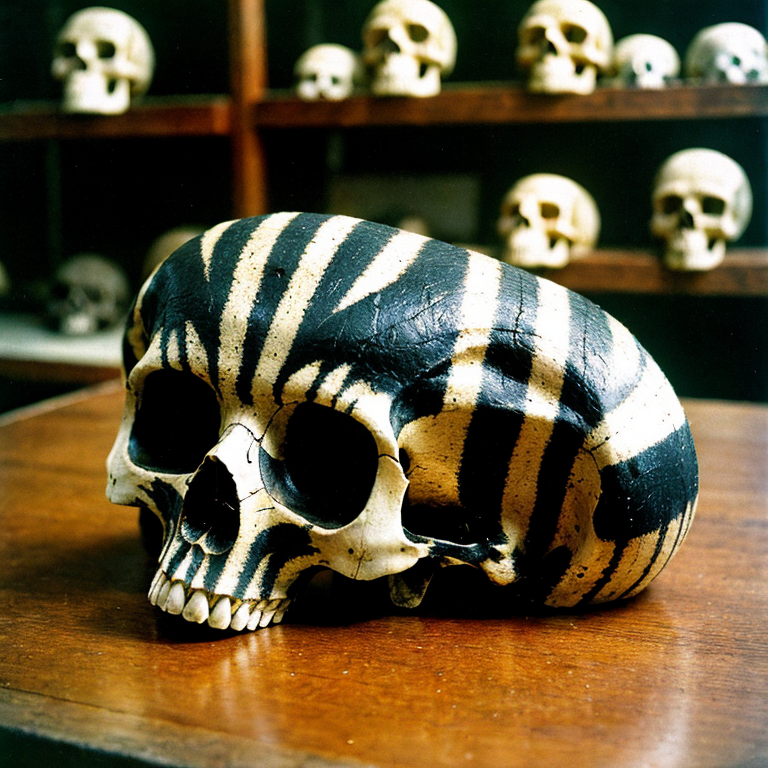
The thylacine, or Tasmanian tiger, was once a real predator roaming Tasmania’s forests. Settlers arrived and hunted it relentlessly, blaming it for killing sheep. The government even paid bounties on dead thylacines between 1888 and 1909: 2,184 of them.
The last confirmed wild thylacine was shot by a farmer in 1930, and the last known captive died at Hobart’s Beaumaris Zoo on 7 September 1936, just 59 days after the species was finally given legal protection.
The legend of the Tasmanian tiger grew from there, with tales of sightings from those who refused to believe the thylacine was gone. For decades the zoo animal was called “Benjamin” and assumed to be male, but researchers concluded in 2022 that the name and the assumption were a myth.
Sightings Keep Springing Up

The thylacine was formally declared extinct in the 1980s, yet sightings continue across Tasmania and mainland Australia. More than a thousand reported sightings have been logged since 1936, but none has ever produced a body, a clear photograph or DNA.
In recent years, the beast's legend was reignited when a biotech company announced plans in 2022 to bring back the thylacine through gene editing. The project caught headlines and sparked renewed interest among cryptozoologists and curious Tasmanians alike. Despite this buzz, no new sightings have provided concrete proof that the elusive tiger still roams free.
No Hard Evidence to Back Up Sightings

The thylacine, also known as the Tasmanian tiger, hasn't been confirmed to exist in the wild since it was declared extinct decades ago. Researchers looking for a breeding population would expect to find roadkill, droppings, or camera-trap images, but none have materialised. Most reported sightings turn out to be nothing more than common animals like foxes, dogs, wallabies, and feral cats spotted in poor lighting conditions. The lack of concrete evidence leaves the thylacine's continued existence as a tantalising mystery, but one without scientific support.
What If It’s Still Out There?

You’d be forgiven for thinking the Tasmanian tiger was just another tall tale if you didn’t know about convergent evolution. The thylacine is like nature’s own cryptozoological boffin, evolving a dog-like body in Australia and Tasmania to fill a top predator's role - completely independent of actual dogs. This makes its existence seem less like the plot of a B-movie and more like a marvel of biology.
In 2023, scientists made headlines by recovering RNA from an extinct animal for the first time, using a museum specimen. If they could do that with other thylacine remains, who knows what secrets we might uncover? DNA sequencing has already given us insights into this enigmatic creature’s past. So while sightings keep springing up, it’s not as far-fetched to imagine a few stragglers hanging on in some remote corner of Tasmania.
Want to See a Tasmanian Tiger?
If the thought of spotting a thylacine gets your heart racing, there’s no better place to start than the Tasmanian Museum and Art Gallery in Hobart. The museum houses plenty of thylacine artefacts and information on display, giving you a solid grounding before you head out into the bush.
- Check online for opening hours and admission fees.
- Remember to respect private property and local wildlife when exploring.
- Who knows? Maybe the elusive Tasmanian tiger will make an appearance in more ways than one.
The Verdict: Probably gone, but hope lingers (3/10)
The thylacine, also known as the Tasmanian tiger, survived only in Tasmania until the last captive animal died in 1936. Despite decades of searches and the occasional blurry photo, no solid evidence suggests a surviving population exists today. With breeding animals expected to leave traceable signs like roadkill or droppings, the absence of such clues points towards extinction.
So why do people keep spotting what they think is a thylacine? Most sightings turn out to be foxes, dogs, wallabies, and feral cats mistaken in low light. With a plausibility rating of 3/10 - probably gone but hope lingers - you can see why folks are still holding onto that flicker of belief. So next time you think you spot one, remember: it might just be your imagination running wild - or maybe it’s a very good dog.
The Cryptid Desk files these stories with a wink. The documented history is real, the rating is a judgement call, and nothing here counts as proof of anything.
As an Amazon Associate, The Weird Report earns from qualifying purchases. Product links above are suggestions related to this article; they don't affect what we write.