The Cottingley Fairies - yes, you read that right! Two young cousins convinced a nation with their camera tricks back in 1917. Elsie Wright and Frances Griffiths took a photograph of fairies dancing around little Frances, and soon after another picture showed Elsie posing with a gnome. Was it all just child’s play or something more mystical? Stick with us as we dive into the history behind these whimsical images and separate fact from fairy dust.
TL;DR
- Elsie Wright and Frances Griffiths took fairy photos in Cottingley, England, in 1917.
- Arthur Conan Doyle featured the photos in The Strand Magazine to argue for fairies' existence.
- In 1983 the cousins admitted that four of the five photos were faked with cardboard cut-outs.
- It began as a childhood prank, and the cousins were embarrassed when adults took it seriously.
Fairies Caught on Film? Not So Fast
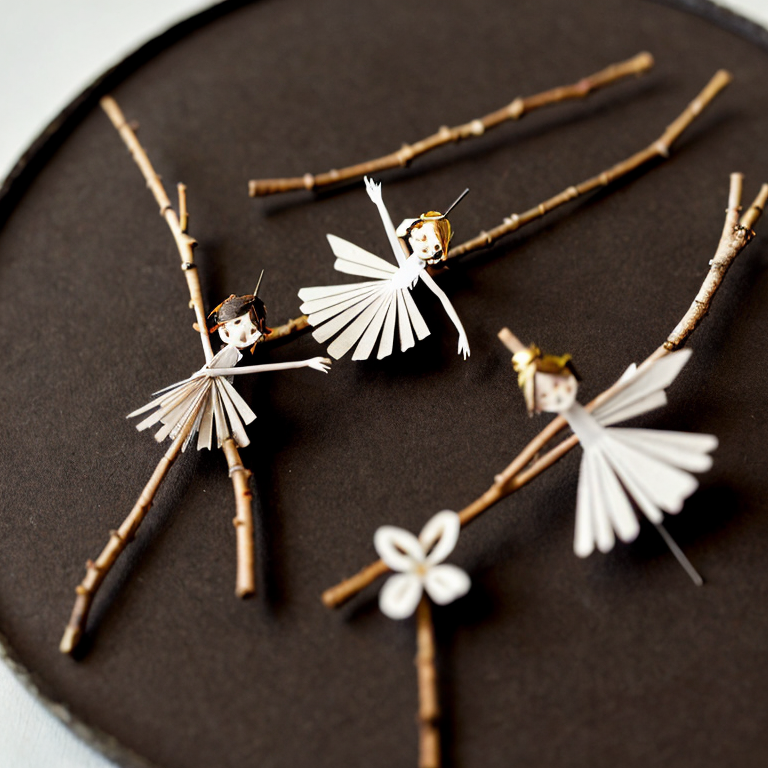
In July 1917, two cousins in Cottingley, West Yorkshire - 16-year-old Elsie Wright and her much younger cousin Frances Griffiths, aged about 9 - borrowed a camera and returned with a photograph of Frances surrounded by dancing fairies. A second photograph followed in September 1917, showing Elsie with a gnome.
In 1919 the photographs came to the attention of Edward Gardner of the Theosophical Society. In 1920, Arthur Conan Doyle, creator of Sherlock Holmes, used them in an article in The Strand Magazine. Doyle’s 1922 book, The Coming of the Fairies, argued that the photographs were genuine.
Fairy Photos Fooled a Nation

Photography experts examined the negatives and said they showed no sign of studio trickery, which supporters took as proof. And many people, including Doyle, wanted to believe. This was a period just after the First World War, when many people were grieving and spiritualism was popular.
The photographs circulated widely, and the cousins found themselves at the centre of a story far bigger than the prank they had started.
Pranksters' Confession: Fairies Were Fake
In 1983, the cousins, by then elderly, admitted that four of the five photographs were faked using cardboard cut-outs of fairies copied from a children's book, held up with hatpins. Elsie said all five photographs were fakes, but Frances insisted to the end of her life that the fifth was genuine.
The cousins said it began as a prank and that they were embarrassed when adults took it seriously. It is hard not to feel for them: they were children when it began.
Fairy Fakes or Flimsy Proof?
A fake can be spotted by the clues: the fairies in the photographs have fashionable, Paris-style hairdos and look just like the illustrations in a popular children's book.
Photographic evidence has always been easy to fake, which is why investigators ask for the original negatives and for more than one witness. Without these, even the most enchanting fairy photos are just that - photos.
Visiting the Legend
- The cameras and some of the original photographs of the Cottingley Fairies are held by the National Science and Media Museum in Bradford, England.
Check opening times before you set off, and respect private land and local wildlife.
The Verdict: Hoax, confessed (1/10)
The Cottingley fairy photos were child’s play that spiralled into an adult-sized hoax. With the cousins admitting in 1983 that four of the five photographs were fakes, and Frances insisting until the end of her life that the fifth was real, the truth is clear: it’s a 1/10 on our plausibility scale, firmly in "Hoax, confessed" territory. So next time you see fairies dancing in your garden, remember - it might just be kids having fun with hatpins and paper cut-outs.
Filed by the Cryptid Desk. The jokes are ours, the history is on the record, and the monster, as always, remains unconfirmed.
As an Amazon Associate, The Weird Report earns from qualifying purchases. Product links above are suggestions related to this article; they don't affect what we write.