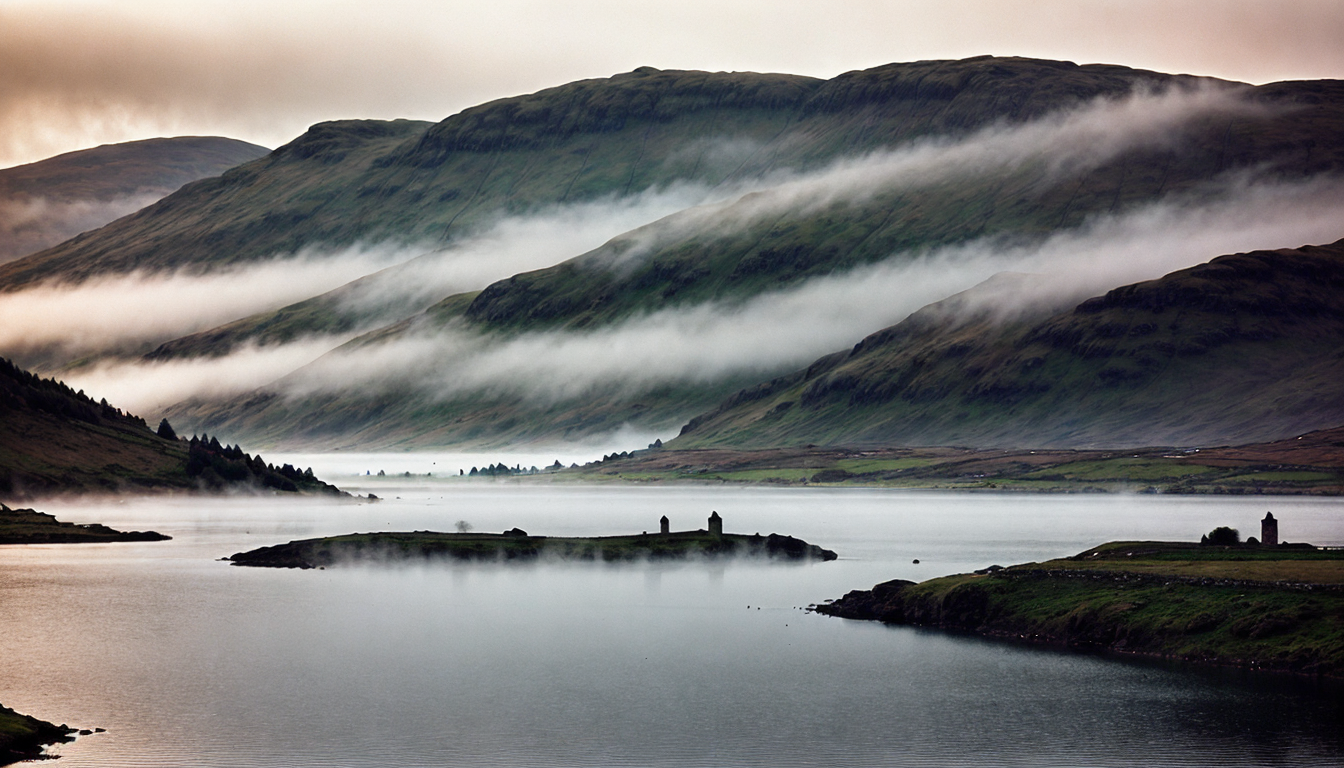
The Surgeon’s Photograph, a murky image that captured the world's imagination on April 21, 1934, is not just any old photo - it’s the stuff of tabloid dreams. Published in the Daily Mail, it showed what looked like a long neck and small head poking out of Loch Ness's waters, allegedly taken by London gynaecologist Robert Kenneth Wilson. For decades, this picture was held up as the best evidence for the monster’s existence, even if some experts whispered doubts under their breath.
Join us as we dive into the real history behind the image, uncover the best evidence, and deliver an honest verdict that won’t leave you guessing. Spoiler alert: it wasn’t quite what everyone thought.
TL;DR
- The Surgeon’s Photograph showed a long neck and small head in Loch Ness's waters, published on April 21, 1934.
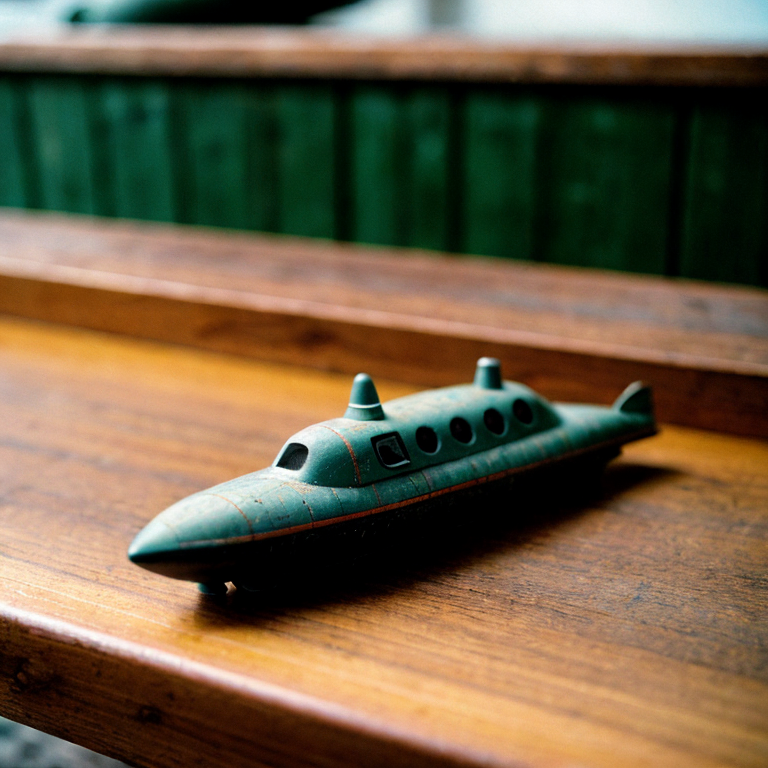
- In 1994 it emerged that, according to Marmaduke Wetherell’s stepson Christian Spurling, the 'monster' was a toy submarine fitted with a sculpted head and neck.
- A 2018 DNA survey of Loch Ness found no reptile DNA, but plenty of eel DNA.
- By that account the photograph was a hoax, and we rate the monster 1/10.
Neck Deep in Hoax
The Loch Ness Monster first came to light when a new road opened up views of the lake's eerie waters, leading local newspapers to report sightings from eager locals. The creature gained global fame with the publication of Robert Kenneth Wilson’s photograph on April 21, 1934. Known simply as "the Surgeon’s Photograph" due to Wilson’s reluctance to attach his name, it captured a long neck and small head emerging from Loch Ness's depths. This image sparked worldwide interest, making it the most famous monster photo ever taken. Yet, behind the mystique lay a simpler truth: it was all about the neck.
The photograph's fame grew as more sightings piled up, fueling public imagination and turning Loch Ness into a hotbed of cryptozoological speculation. Little did anyone know that the real story would be far less monstrous than the image suggested.
The Proof Was Right Under Their Noses
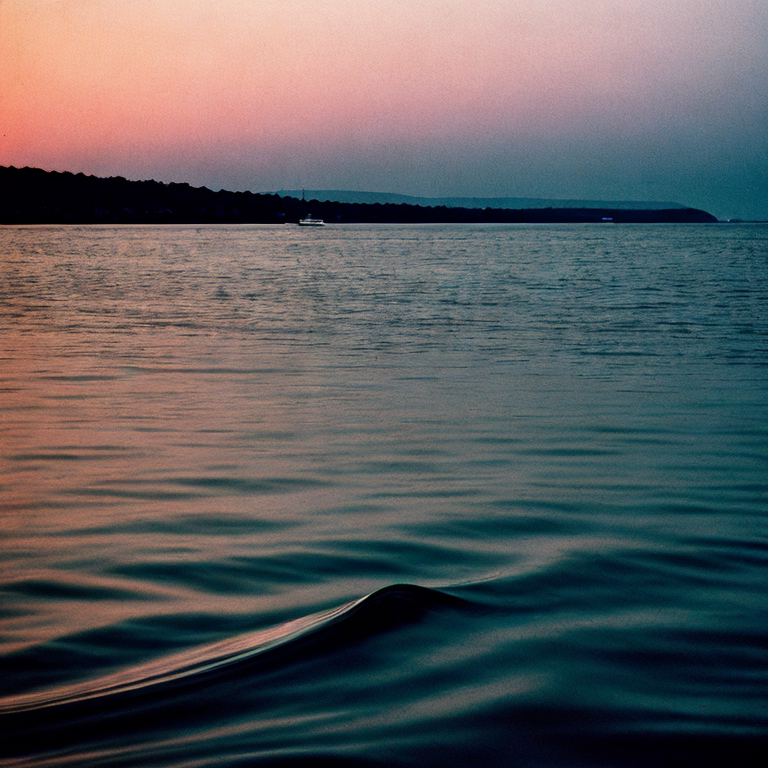
For decades, the photograph of a neck and head rising from Loch Ness was held up as the best evidence for the monster. Then, in 1994, it emerged that, according to Christian Spurling, the stepson of big-game hunter Marmaduke Wetherell, the 'monster' was a toy submarine fitted with a sculpted head and neck.
Wetherell had form. In December 1933, hired by the Daily Mail, he found large footprints on the shore that experts later said had been made with a hippopotamus-foot ornament.
Just a Tiny Toy in Big Waters
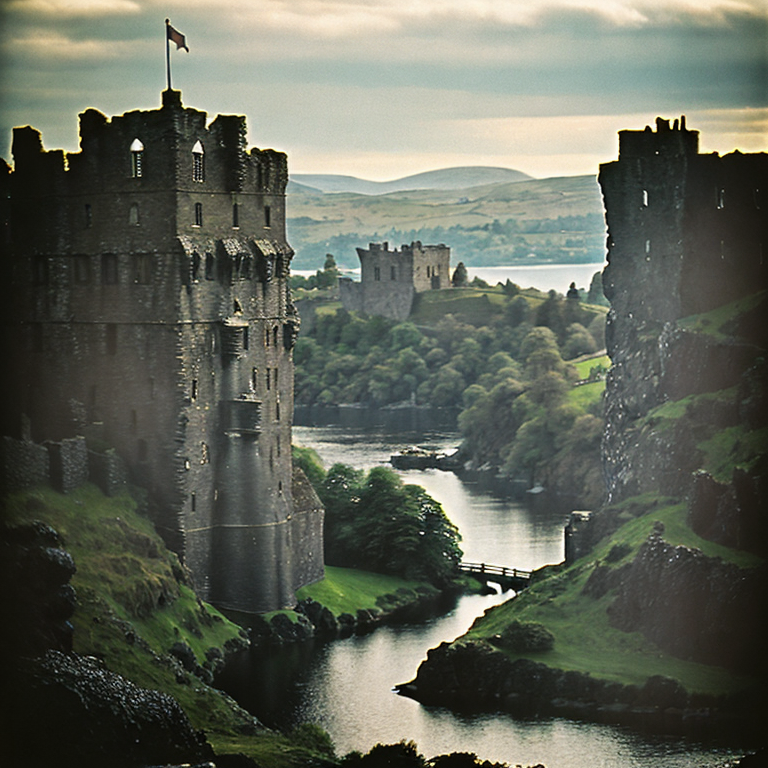
The photograph that sparked decades of debate shows what looks like a creature's head and neck jutting out of the water, looming large enough to inspire awe. But upon closer inspection, it’s clear this Nessie is just a foot high - about as threatening as your average rubber ducky.
Researchers have also taken a dive into Loch Ness’s murky waters for clues. In 2018, Neil Gemmell and his team collected water samples from around the loch, scanning them for DNA signatures of potential monsters. No reptile DNA was found, but there was plenty of eel DNA. Gemmell said a giant eel could not be ruled out.
So, the next time you hear someone wax poetic about Nessie’s majestic neck, remember: it might just be a toy in a lake of secrets.
Researchers in the Bog

Loch Ness may be a monster magnet, but it's also a scientist's nightmare. The loch is vast - holding more fresh water than all the lakes of England and Wales combined - and it is deep and murky with peat, which makes it hard to survey. It is also only roughly 10,000 years old, having been under ice during the last ice age, so any large animal would have had to arrive since. Yet, despite decades of scrutiny, no definitive evidence has surfaced to support Nessie's existence beyond grainy photos and eyewitness accounts.
The Verdict: Hoax, confessed (1/10)
The Surgeon's Photograph has fooled generations of monster hunters and casual fans alike for decades, but by one confession, it was a dinky toy submarine floating in Loch Ness. The truth isn't as thrilling as tales of a sea monster. Plausibility rating? 1/10 - Hoax, confessed. So next time you're passing by Loch Ness with your camera, maybe stick to snapping selfies instead of mythical beasts. After all, no one wants to be fooled again!
Filed by the Cryptid Desk. The jokes are ours, the history is on the record, and the monster, as always, remains unconfirmed.
As an Amazon Associate, The Weird Report earns from qualifying purchases. Product links above are suggestions related to this article; they don't affect what we write.