Mermaids, those half-woman, half-fish beauties of the deep, have swum into sailors’ tales for centuries. Christopher Columbus himself spotted three near the coast of Hispaniola in 1493 and was a bit underwhelmed by their looks. But were they real or just a sailor’s imagination run wild? Dive with us as we explore the oldest mermaid myths and separate fact from fiction. You'll find out what the best evidence really says, and get our honest verdict on whether mermaids are more myth than reality.
TL;DR
- Mermaid legends date back to ancient Syrian goddess Atargatis.
- Barnum's "Feejee Mermaid" hoax featured a monkey-fish hybrid.
- NOAA states there is no evidence of real mermaids in the sea.
- The likeliest explanations for sightings are manatees, dugongs and seals.
Where Do Mermaids Come From?
Mermaid tales have been swimming through history since ancient times. The Syrian goddess Atargatis, mentioned by Greek writers like Ctesias and Diodorus in centuries BC, is one of the earliest figures with a fish-tailed story. These legends gained traction when Christopher Columbus spotted three "mermaids" off the coast of Hispaniola on January 9, 1493, noting that they were not as beautiful as they were painted.
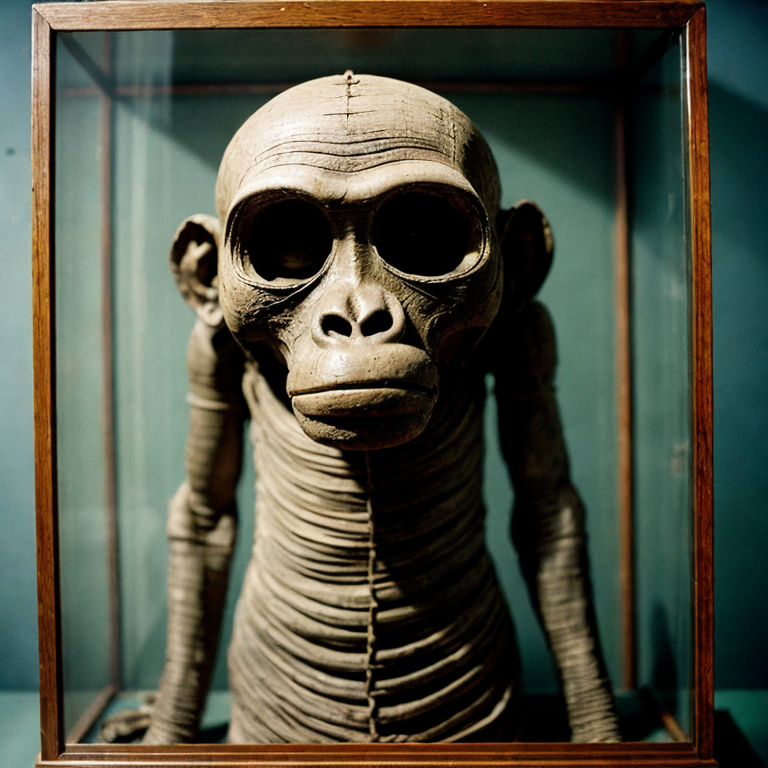
Barnum added to mermaid lore with his infamous "Feejee Mermaid," a creature crafted from a monkey's torso and a fish tail, displayed in New York in 1842. This hoax captivated audiences but did little to clarify whether real mermaids lurk beneath the waves.
Modern mermaid imagery owes much to Hans Christian Andersen’s beloved tale The Little Mermaid, published in 1837, which has firmly cemented the idea of a beautiful, tragic sea maiden in popular culture.
Is There Any Real Proof?

Sailors have been spotting mermaids for ages, but all we've got are their tales from the high seas. These accounts often come from a distance and tend to be vague, leaving us with nothing concrete beyond old logs and journals. In 2012 and 2013, the TV channel Animal Planet aired fictional "documentaries" about mermaids that many viewers took as real. Yet still no hard evidence has surfaced.
So while the stories make for great bedtime yarns, the best proof remains in our collective imagination rather than reality.
Are Mermaids Just Manatees in Makeup?

So what really explains it? The US government’s ocean agency, NOAA, has stated that no evidence of aquatic humanoids has ever been found. The likeliest explanations for the sightings are manatees, dugongs and seals. The scientific order that contains manatees and dugongs is even named Sirenia, after the sirens of Greek myth.
But let’s not forget the Feejee Mermaid - a half-monkey, half-fish freak show attraction crafted by sewing together parts of monkeys and fish. So next time you hear a tale of a mermaid sighting, it might just be a case of wishful thinking or clever marketing.
Could Columbus Have Really Seen Mermaids?

Columbus’s log says the three “mermaids” weren’t nearly as beautiful as they were painted, which is exactly what you would expect if they were not women at all. Sailors’ accounts across many centuries describe half-woman, half-fish figures, usually at a distance and at sea, and the likeliest explanations are manatees, dugongs and seals.
There is also a lost relative to remember. Steller’s sea cow, a giant relative of the manatee, was found in 1741 by the naturalist Georg Steller and was hunted to extinction within about 30 years.
Today, real-life mermaids exist as a form of performance art: human divers can hold their breath for minutes and swim with fins, mimicking the mythological creatures we know so well from stories. So while Columbus might have been dazzled by manatees, modern-day mermaids are just skilled swimmers showing off their aquatic prowess.
See It for Yourself
- Weeki Wachee Springs State Park in Florida has featured live underwater 'mermaid' shows since 1947.
- The Little Mermaid statue has sat on a rock by the waterfront in Copenhagen, Denmark, since 1913.
Check opening times before you set off, and respect private land and local wildlife.
The Verdict: Manatees and mischief (1/10)
The truth is, mermaids are more about manatees and mischief than actual aquatic humanoids. NOAA has made it clear that no evidence of such creatures exists, while scientists point to sea cows, dugongs, and even seals as the most likely culprits behind mermaid sightings. The Feejee Mermaid hoax, a clever blend of monkey and fish parts, just adds another layer of playful confusion to an already whimsical legend. So, while it's fun to imagine singing sirens beneath the waves, your best bet is to stick with the manatees or the daring artistry of human divers holding their breath for minutes at a time. That’s why mermaids rate a solid 1/10: Manatees and mischief.
The Cryptid Desk files these stories with a wink. The documented history is real, the rating is a judgement call, and nothing here counts as proof of anything.
As an Amazon Associate, The Weird Report earns from qualifying purchases. Product links above are suggestions related to this article; they don't affect what we write.