Mokele-mbembe, folks - get ready for a splash of cold water on this legendary beastie. Is it really a dinosaur hiding in Congo’s swamps? We’re diving into the murky waters of Lake Tele and sorting through decades of expeditions to give you the real deal: the history, the best evidence, and an honest verdict on whether this creature is more myth than monster. So grab your binoculars and let’s see if Mokele-mbembe can hold its breath against science.
TL;DR
- Mokele-mbembe is described as a long-necked creature in Congo’s swamps and lakes.
- Roy Mackal led expeditions in the 1980s and wrote A Living Dinosaur? in 1987, with no confirmed result.
- No photograph, skeleton or sample has ever settled the question.
- Skeptics suggest some reports describe an elephant swimming, a memory of rhinos, or an old tale retold to visiting expeditions.
Dinosaurs in the Congo?
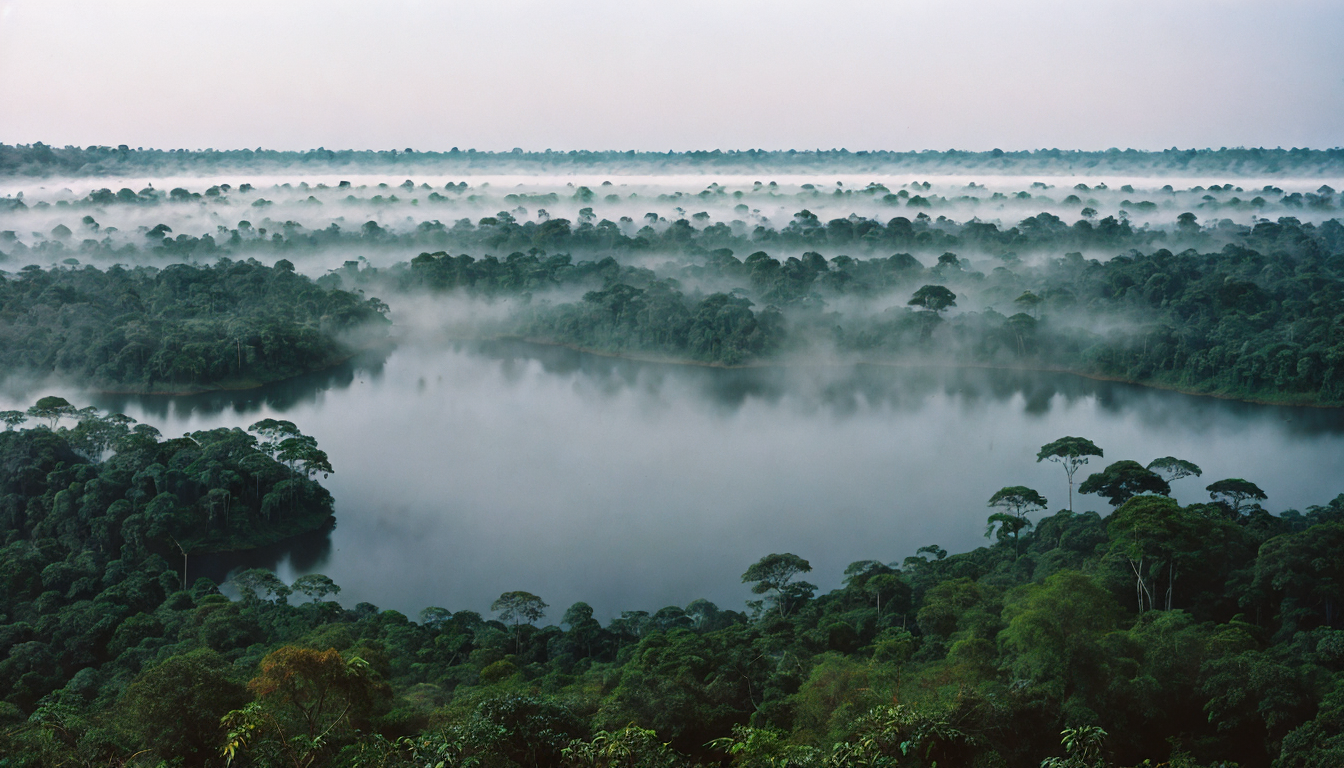
Mokele-mbembe is a creature of legend in the Likouala region of the Republic of the Congo, said to be a long-necked animal living in swamps and lakes, especially Lake Tele. The name is often translated from Lingala as "one who stops the flow of rivers".
In the 1980s, University of Chicago biologist Roy Mackal led expeditions to Lake Tele and wrote A Living Dinosaur? in 1987. Several later expeditions went looking too, hoping to find proof of a living dinosaur. None has returned with a confirmed result.
What Is the Evidence?
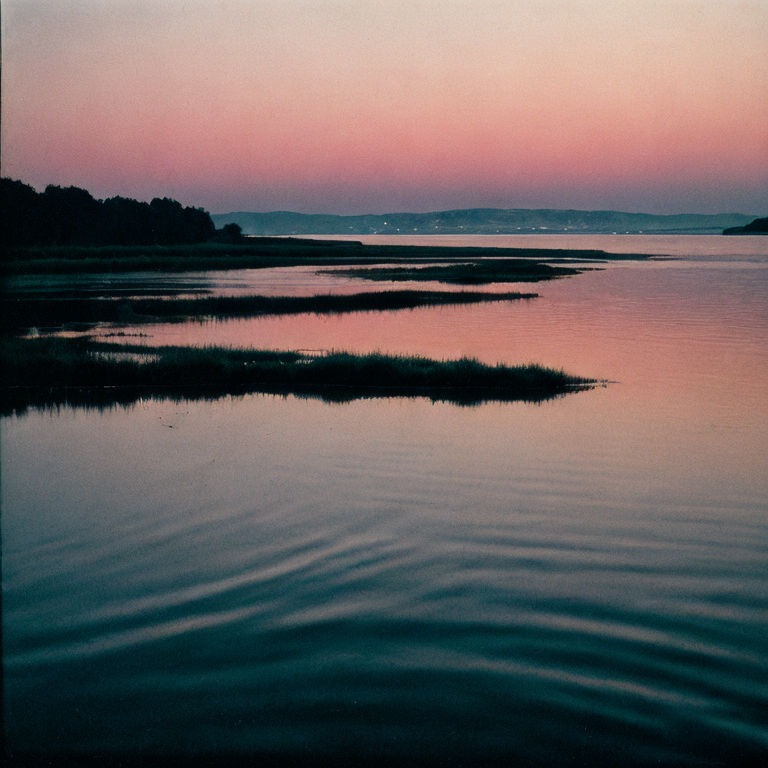
You know how the tale goes: a giant beast lurks in the murky waters of the Congo. Descriptions vary, but they often feature an animal about the size of an elephant, with a long neck and tail.
The evidence consists of local accounts and expedition reports, and nobody has produced anything that settles it. Local accounts are compelling, yet they remain just that - accounts. So while some swear by it, others see it as a legend without legs.
Dino Doubts Deepen
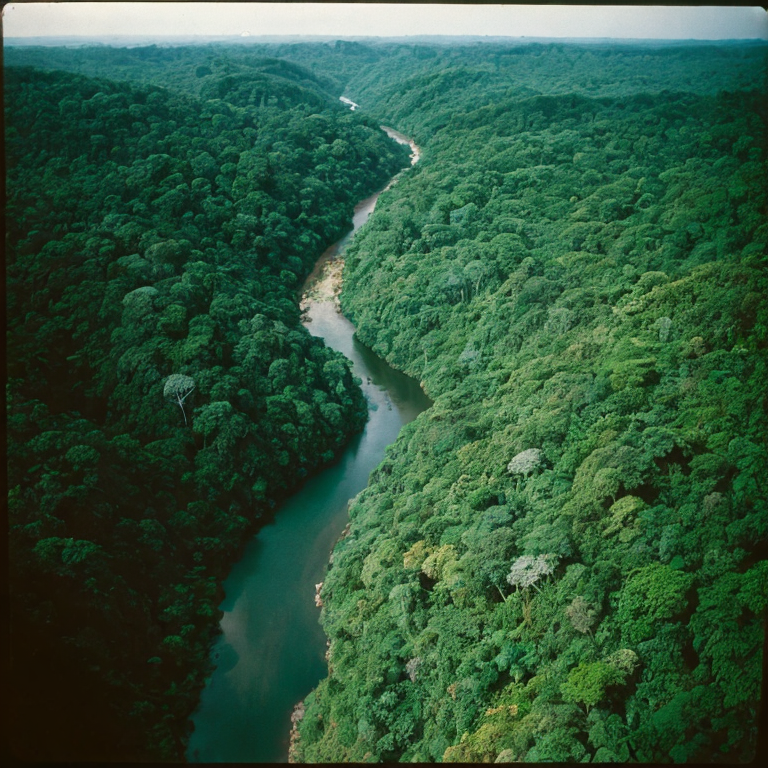
Researchers point out that dinosaurs haven’t walked the Earth for about 66 million years. That’s one heck of a long time ago - long before humans even got their act together. No dinosaur fossil younger than that has ever been found. The Congo Basin is huge and poorly surveyed, but an animal this size would need food and a breeding population, and expeditions have found only known animals such as elephants and hippos. Reports vary widely, and skeptics suggest some may describe an elephant swimming, a memory of rhinos that once lived in the region, or an old tale retold to visiting expeditions who ask leading questions. So, is there really more to this than meets the eye - or just a lot of hot air?
Surprises in the Congo Basin

The Congo Basin does hide surprises. The okapi, a relative of the giraffe, was not known to Western science until 1901. The Congo peafowl was described in 1936, after James Chapin matched a feather he had seen in a headdress in 1913 to mounted museum birds.
Birds are living dinosaurs, descendants of those mighty reptiles that roamed Earth millions of years ago. With more than 10,000 species known today, scientists continue to uncover new avian wonders, but no evidence points to a dinosaur-sized surprise waiting in the Congo's murky depths.
The Verdict: Pure folklore (1/10)
The Congo Basin is a place of hidden wonders, but a living dinosaur isn't one of them. Skeptics suggest the reports range from an elephant swimming to old tales retold to eager visitors. No expedition has found anything more than the known fauna, and that absence is hard to ignore. So, let’s give it 1/10: pure folklore.
But who knows? Maybe there’s another okapi or peafowl waiting in the wings, ready to surprise us with its existence. Until then, keep your binoculars handy for a more plausible feathered friend - a bird, of course, that's technically still a dinosaur.
Filed by the Cryptid Desk. The jokes are ours, the history is on the record, and the monster, as always, remains unconfirmed.
As an Amazon Associate, The Weird Report earns from qualifying purchases. Product links above are suggestions related to this article; they don't affect what we write.