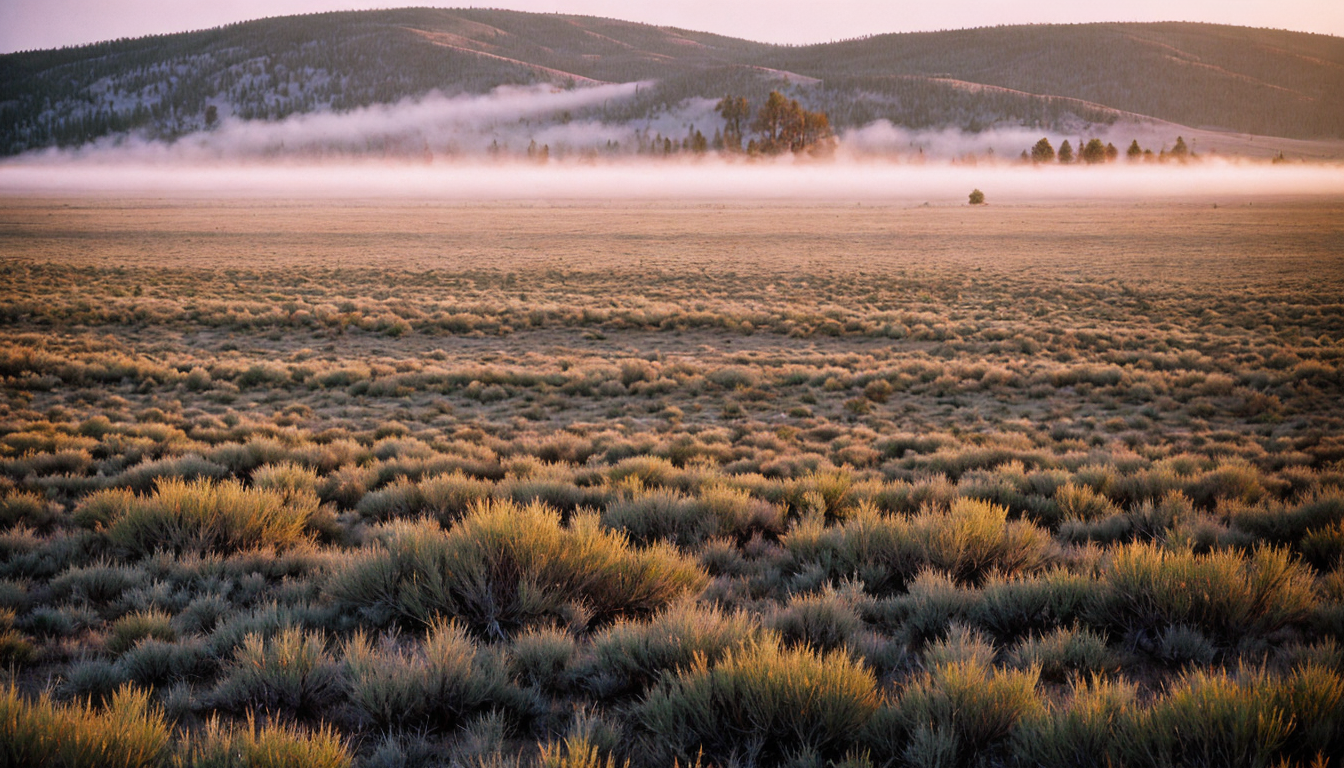
The Jackalope! It’s a creature so legendary it could be the mascot for the American West - a horned rabbit that’s half-jackrabbit, half-antelope. But before you start packing your gear to track down this mythical beast, we’ve got news: it’s not just an urban legend; it’s a full-blown piece of fakelore credited to two brothers in Wyoming back in 1932. Stick with us as we dive into the true story behind the jackalope and uncover why you’ll find these critters more on tourist souvenirs than out in the wilds of Douglas, Wyoming.
TL;DR
- Brothers Douglas and Ralph Herrick are credited with creating the first stuffed jackalope in 1932.
- Real horned rabbits exist: the Shope papillomavirus causes horn-like growths on their heads.
- Tourist shops sell jackalopes made from rabbit mounts with antlers or horns attached.
- The real scientific interest lies in horned rabbits as a result of viral infections, not mythical creatures.
Where Did the Jackalope Come From?
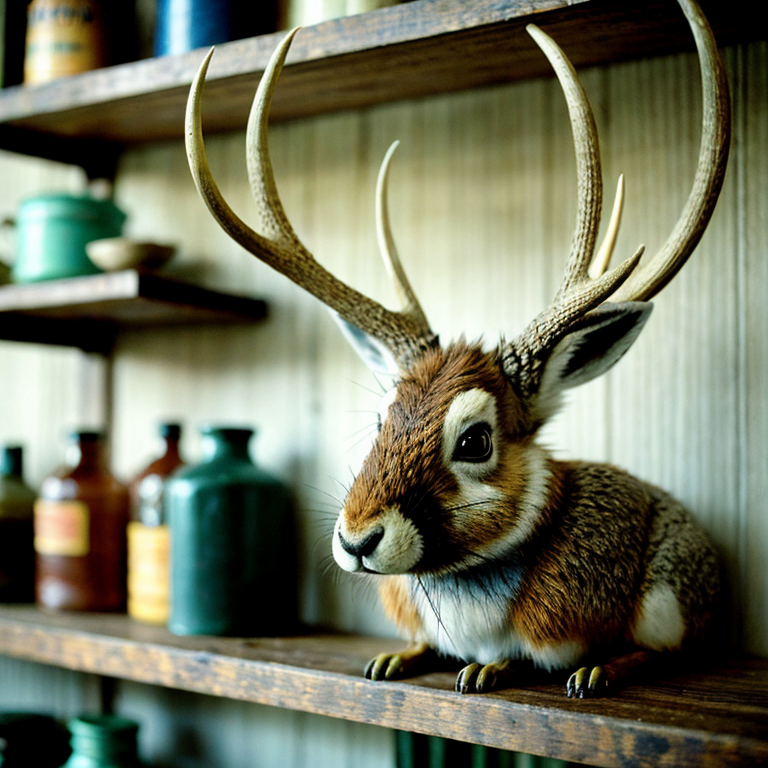
The jackalope legend is credited to Douglas and Ralph Herrick, brothers from Douglas, Wyoming, who are said to have created the first stuffed jackalope in 1932. Jackalope mounts soon became popular tourist souvenirs, and Douglas now calls itself the home of the jackalope.
Interestingly, the concept of horned rabbits isn't unique to North America. In Bavaria, Germany, the Wolpertinger - a creature akin to the jackalope - features in local folklore and is proudly displayed at the German Hunting and Fishing Museum in Munich.
Are Horned Rabbits Real?
The jackalope may be a prankster’s dream, but horned rabbits are no laughing matter. Wild cottontails with antler-like growths have been captured on camera for generations. These real-life jackalopes aren’t just dusty museum specimens - they’re living, breathing proof that nature can get pretty weird. So next time you hit up Douglas, Wyoming, and pick up a tongue-in-cheek hunting licence, remember: the joke’s on us, because somewhere out there, a horned rabbit is hopping along, defying expectations.
Real Horns or Glued-On Antlers?

So what really explains it? Well, the answer lies somewhere between science and silliness. In the 1930s, a boffin named Richard Shope discovered that rabbits can grow horn-like tumours due to the Shope papillomavirus. These warts aren’t antlers, but they look uncannily like them. Meanwhile, in gift shops across America, you’ll find jackalopes made from regular rabbit mounts with antlers or horns glued on for good measure. So whether it’s a real viral infection or a tourist trap trick, the jackalope remains an enduring symbol of American kitsch and curiosity.
Could Any of It Be True?

When it comes to the jackalope, you might be tempted to believe in this antlered rabbit as a genuine creature roaming the wilds of the American West. But science has something else up its sleeve: horned rabbits are real, but they owe their horns to a pesky virus rather than genetic magic. The Shope papillomavirus was one of the first viruses shown to cause tumours in mammals. These tumours often resemble horns or antlers and can appear on rabbits' heads. So while the jackalope remains a charming myth, its horned rabbit cousin is actually an unlikely hero in medical research.
The pronghorn, a speedy animal native to North America, isn’t related to true antelopes despite its name and appearance. This speedy creature has nothing to do with the mythical jackalope, but it’s still the fastest land mammal on the continent. So while you might be drawn to the idea of a horned rabbit bounding through the wilds, the reality is a bit more grounded - and scientifically fascinating.
The Verdict: Taxidermy with a real virus behind it (1/10)
The jackalope, that mythical creature with antlers sprouting from a rabbit’s head, turns out to be nothing more than taxidermy trickery - earning it a solid 1/10 on the plausibility scale. The real story behind horned rabbits is far less dramatic but scientifically fascinating: they’re infected with the Shope papillomavirus, which causes tumour-like growths that resemble antlers or horns. So while the jackalope may be all fun and games in souvenir shops, it’s those rare cases of naturally occurring horned rabbits that hold real medical intrigue.
Happy hunting for your next big myth - just don’t get too excited if you think you’ve spotted a genuine jackalope; it's likely just a cleverly crafted tourist trap.
The Weird Report Cryptid Desk treats legends as legends: the history above is documented, the verdict is our own opinion, and no creature here has been confirmed by science.
As an Amazon Associate, The Weird Report earns from qualifying purchases. Product links above are suggestions related to this article; they don't affect what we write.


