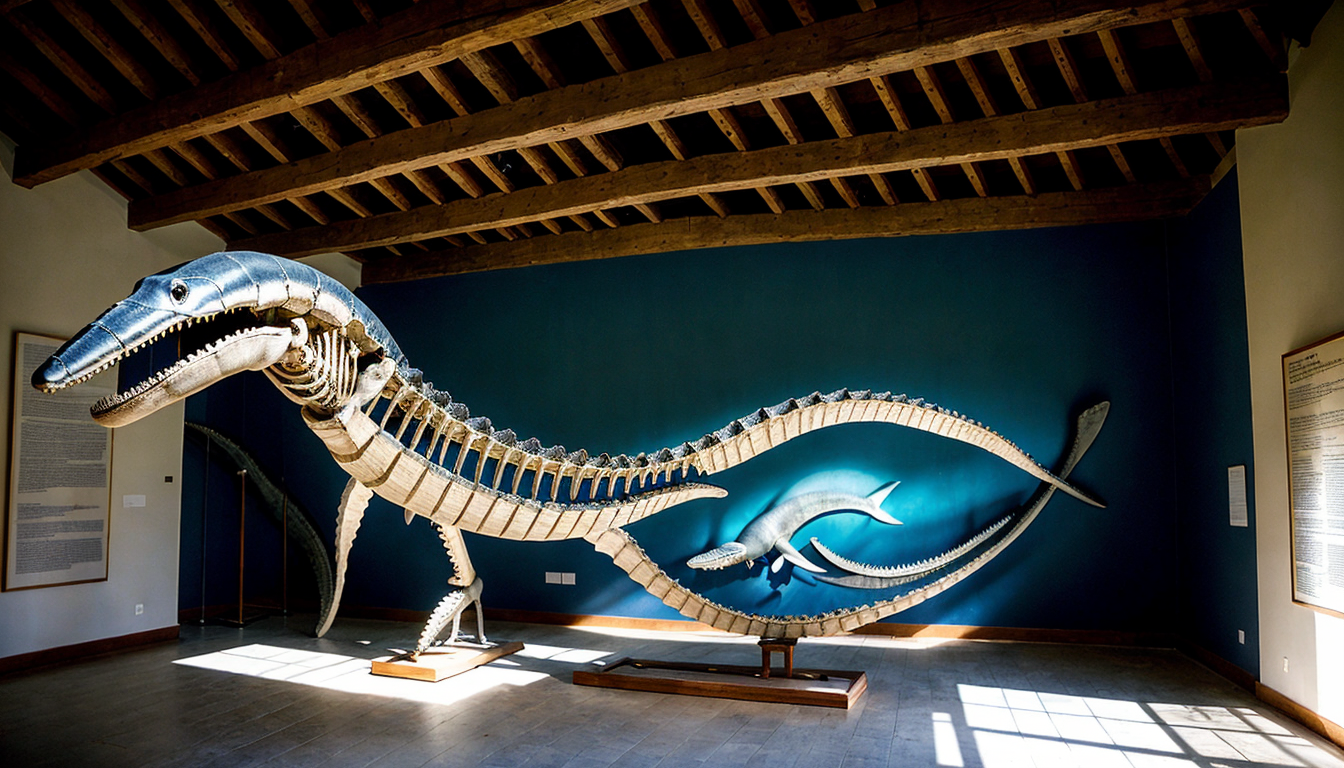
Plesiosaurs: you might know them as the long-necked marine reptiles that look suspiciously like the Loch Ness Monster. But could these prehistoric swimmers really be lurking in a Scottish loch? Our tale dives into the history of plesiosaur fossils, lays out the evidence and gives you an honest verdict on whether those humped backs and long necks might just be something else entirely.
TL;DR
- Plesiosaurs were marine reptiles that lived from roughly 200 million years ago until 66 million years ago.
- Loch Ness has existed for only roughly 10,000 years, so no plesiosaur could have lived in it for millions of years.
- A 2018 environmental DNA survey of the loch found no reptile DNA of any kind.
- Plesiosaurs breathed air, so a population in the loch would surface constantly and be seen far more often than any monster has been.
Meet the Plesiosaur
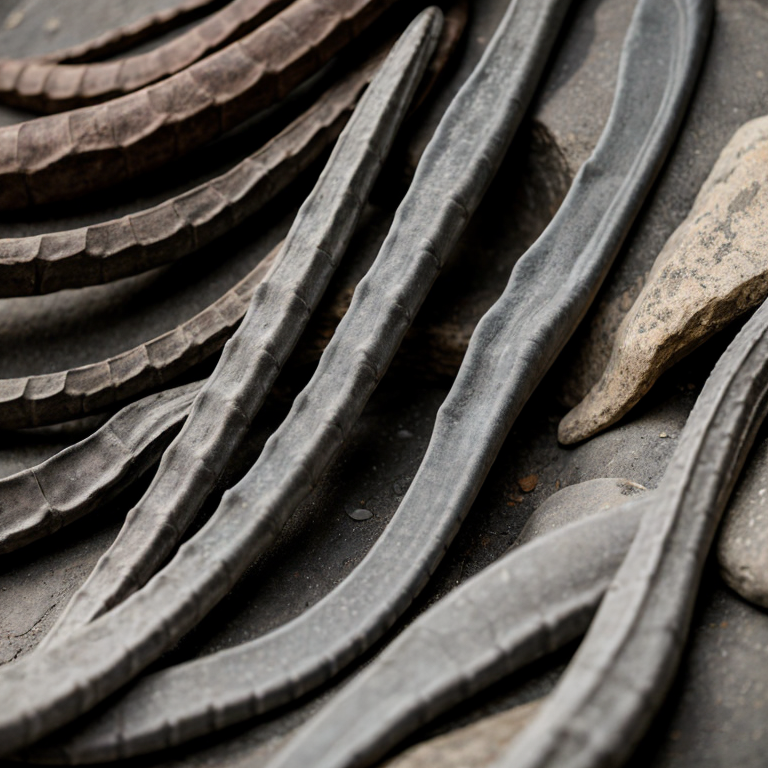
Plesiosaurs were marine reptiles with a long neck, a small head, a broad body and four paddle-shaped flippers. In December 1823, fossil collector Mary Anning found the first complete plesiosaur skeleton at Lyme Regis on the south coast of England. Her discoveries, which began in her childhood, helped show that species could go extinct, a radical idea at the time.
The look of Nessie as a plesiosaur was cemented in the 1930s, partly by the famous Surgeon's Photograph and by newspapers needing a picture.
The Case For
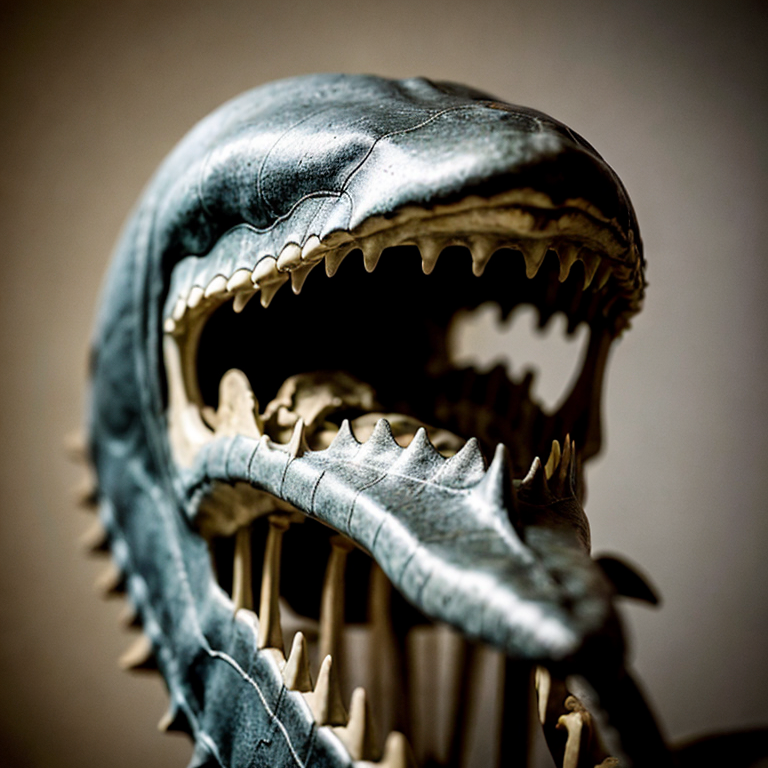
Believers say a plesiosaur-like animal fits descriptions of a long neck and a humped back, and that some marine animals survived to modern times, as the coelacanth did. It is a fun idea, but the evidence against it is heavy.
The Case Against

Plesiosaurs breathed air, so a population in the loch would surface constantly and be seen and photographed far more often than any monster has been.
Loch Ness was under ice during the last ice age and has existed for only roughly 10,000 years, so no plesiosaur could have lived in it for millions of years. It would have had to come from the sea.
Research on plesiosaur necks suggests they could not be held up in a swan-like curve above the water, which is how Nessie is often drawn. And a breeding population needs many animals, while the loch's fish would struggle to feed a group of large predators.
What the DNA Says
The 2018 environmental DNA survey of Loch Ness found no reptile DNA of any kind.
Loch Ness holds more fresh water than all the lakes of England and Wales combined, which keeps the monster idea alive: a big, deep, dark lake feels like it could hide anything. But the science says no plesiosaur, and no Nessie by that name.
For the story of the most famous Loch Ness photograph, see our Surgeon's Photograph article. For an animal that really was found alive after being thought extinct, see our coelacanth article.
The Verdict: Pure folklore (1/10)
The evidence just doesn’t stack up for Nessie being a surviving plesiosaur. Plesiosaurs needed to breathe air, so they would be spotted all the time if they lived in Loch Ness. The loch itself is a youngster compared with these ancient beasts, and no reptile DNA was found in the 2018 survey. So, we give this one a solid 1/10: Pure folklore. But hey, it’s still fun to imagine those long necks breaking the surface!
The Weird Report Cryptid Desk treats legends as legends: the history above is documented, the verdict is our own opinion, and no creature here has been confirmed by science.
As an Amazon Associate, The Weird Report earns from qualifying purchases. Product links above are suggestions related to this article; they don't affect what we write.