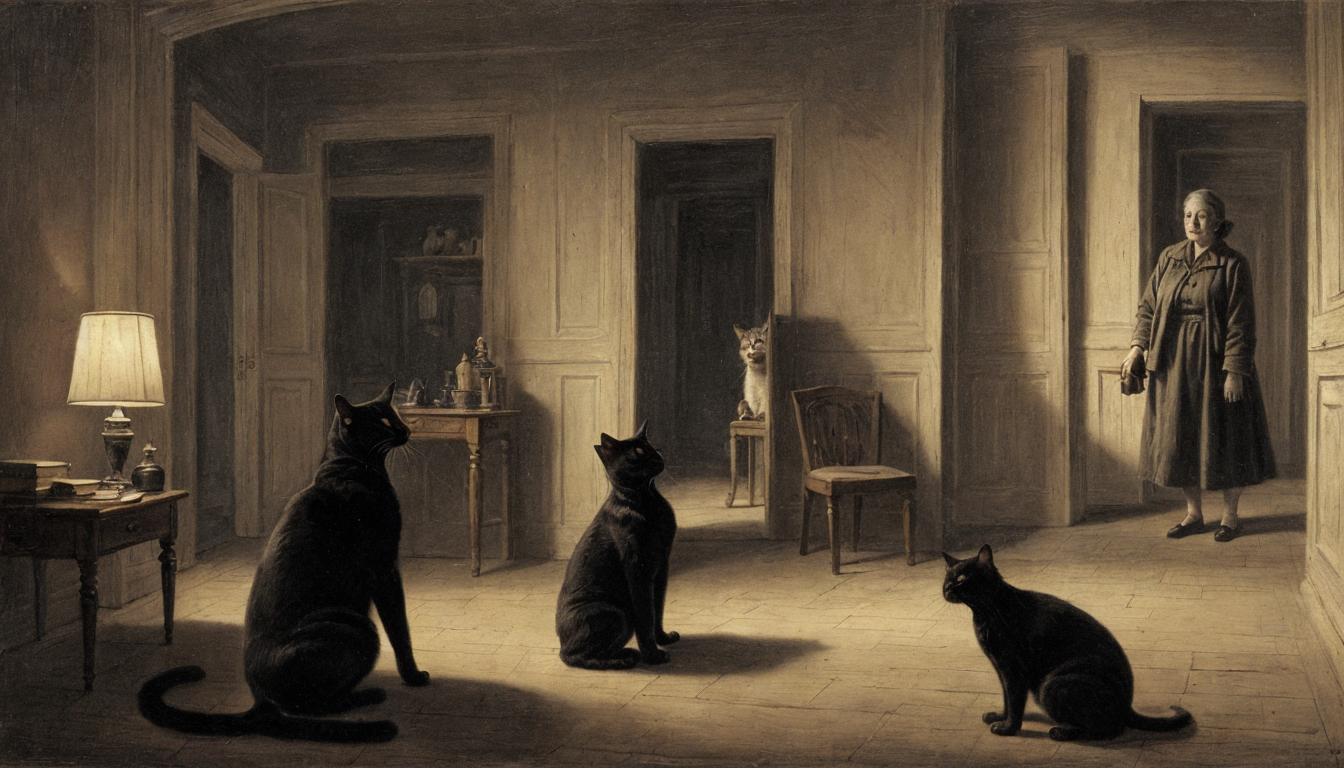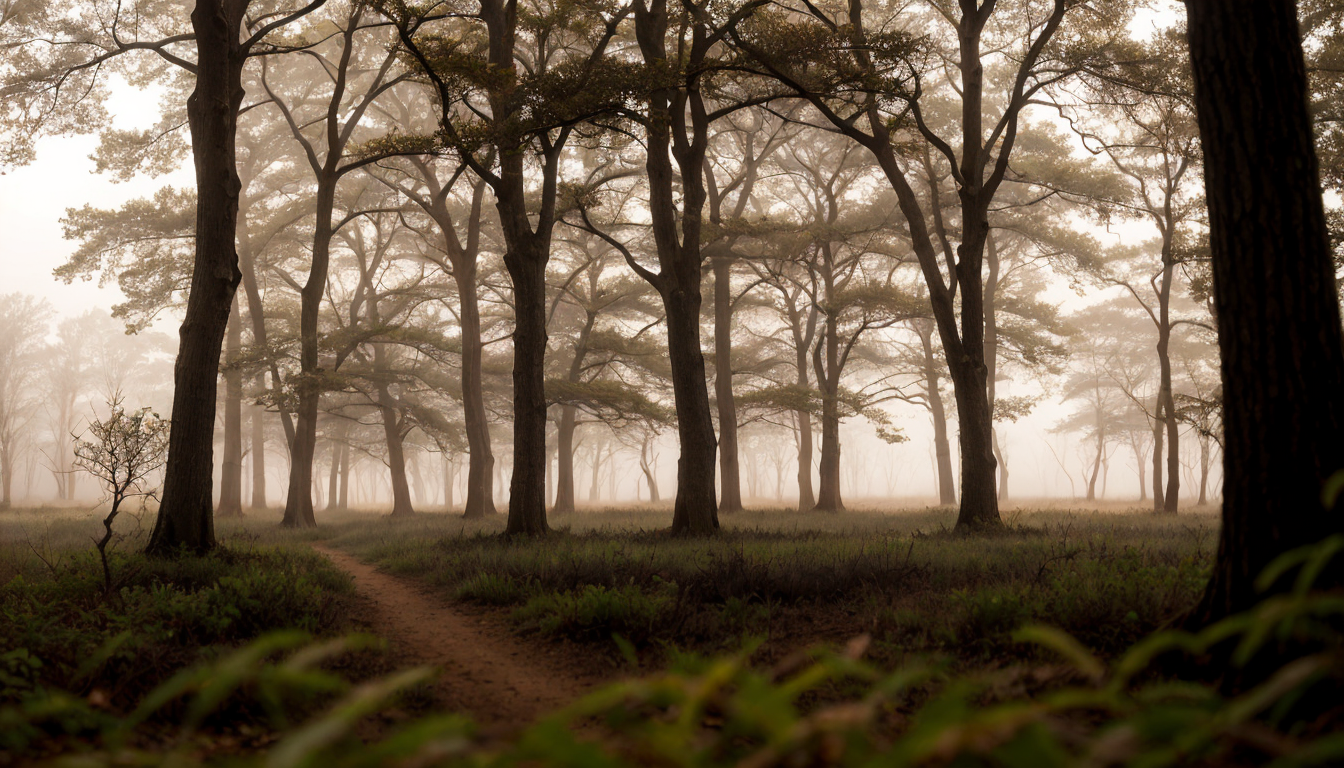
Cryptid hunting might sound like a page from a pulp magazine, but some people take it seriously. Belgian-French zoologist Bernard Heuvelmans is often called the father of cryptozoology, and his 1955 book, published in English in 1958 as On the Track of Unknown Animals, made the field's case. If you’re thinking of grabbing your binoculars and joining the chase, this field guide will clue you in on how to do it the right way, what counts as evidence and how not to get lost in the woods.
TL;DR
- Start with the original reports, because legends change as they are retold.
- Learn the look-alikes: black bears, owls, sandhill cranes, mangy coyotes and floating logs explain many famous creature reports.
- A trail camera, plaster of Paris, a ruler, a notebook, a GPS and sample bags are standard gear.
- To name a new species, scientists generally need a physical specimen in a museum, and none has been produced for a famous cryptid.
Step 1: Start with the history
Reading the original reports, such as newspaper stories and expedition accounts, beats reading summaries, because legends change as they are retold. Learn which cases were exposed as hoaxes, such as the 1934 Surgeon's Photograph, so you can spot the same tricks. Almost every famous cryptid report has turned out to be a known animal, a hoax or a misidentification, which is why good evidence matters more than good stories.
Step 2: Learn the Look-Alikes
You're on a mission to track down Bigfoot or another cryptid? First things first - know your doppelgängers! Black bears can stand upright, and their hind-foot prints look surprisingly human. Owls, sandhill cranes, mangy coyotes and floating logs explain many famous creature reports. So before you head into the wilderness, bone up on your look-alike list to avoid getting excited about a mundane explanation.
Step 3: Pack the Right Kit

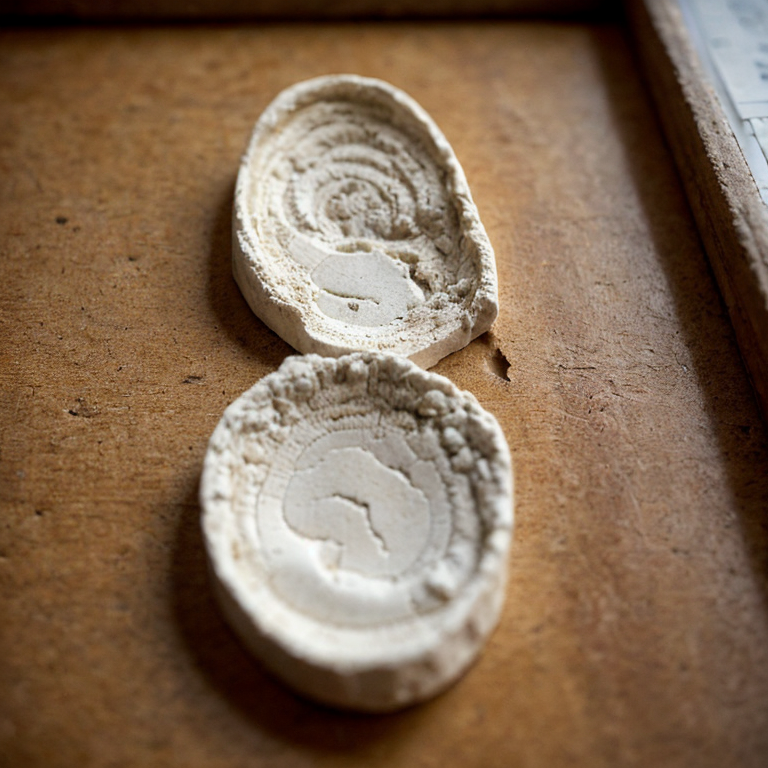
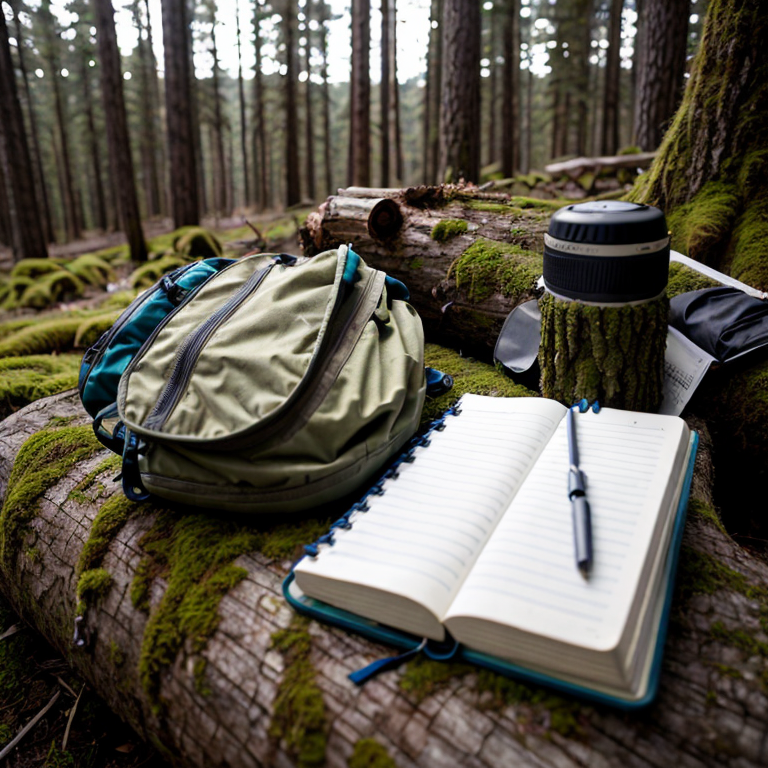
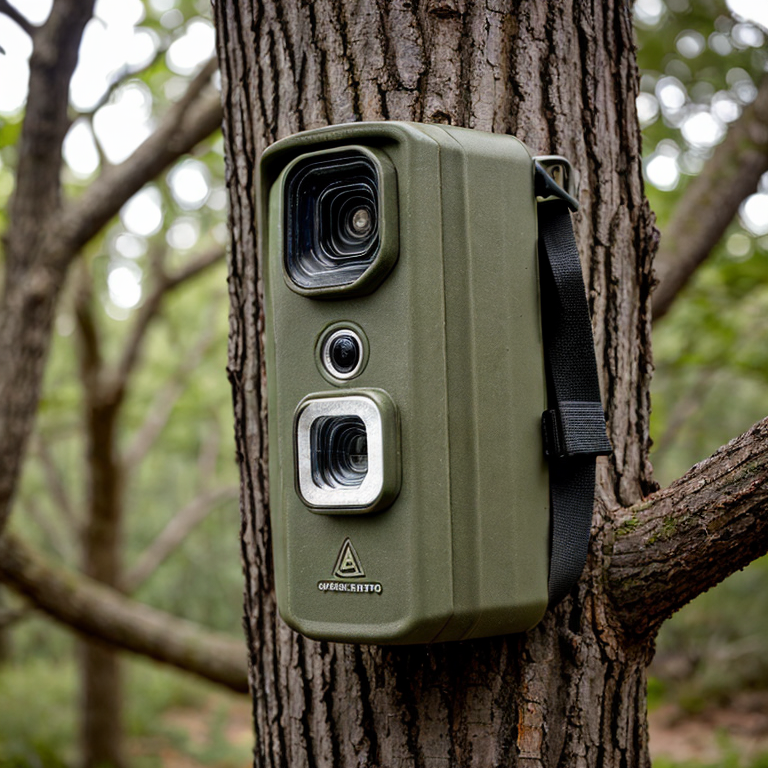
A weatherproof, motion-triggered trail camera is the most useful tool, since it never gets tired or distracted. Camera traps have photographed many real, rare animals, such as snow leopards and tigers, in remote places. Plaster of Paris for casting tracks, a ruler for scale, a notebook, a GPS and sample bags are standard gear.
Step 4: Collect evidence properly
Photograph tracks with a ruler beside them and from several angles before casting, and note the date, location and weather. Hair and droppings can be analysed for DNA, which has been used to identify the animals behind famous claims, such as the 2014 hair study and the 2017 Yeti study. And environmental DNA, or eDNA, from water samples was used at Loch Ness in 2018.
Step 5: Know what counts as proof
To name a new species, scientists generally need a physical type specimen, called a holotype, deposited in a museum, plus a published description. A DNA match to an unknown primate or reptile would be major news, but none has been confirmed so far. A single clear specimen would do more than a thousand sightings, which is why scientists keep asking for one.
Step 6: Stay safe and legal
Ask permission before entering private land, follow park rules and tell someone your route. Carry water, a map and extra layers. The real dangers in the woods are weather, getting lost and wildlife such as bears.
A note on the field's past
The International Society of Cryptozoology, founded in 1982, was a scholarly society that published a journal until the mid-1990s and wound up in 1998.
The Bottom Line
When you’re out looking for a legendary creature, remember that the best way to catch a monster is not with a camera phone but with solid evidence. So grab your notebook and binoculars, and aim to find something more convincing than just another blurry blob on video.
A note from the Cryptid Desk: we play the legend for laughs but the dates and facts are straight. Our plausibility rating is opinion, not science.
As an Amazon Associate, The Weird Report earns from qualifying purchases. Product links above are suggestions related to this article; they don't affect what we write.