The bunyip, you ask? It’s Australia’s best-known swamp legend, and it comes from Aboriginal stories that are living culture, not just monster fiction. Settlers heard those stories, wrote them up in newspapers and went looking for the creature. Could the legend remember something real? We’re diving into the murky waters of history, exploring the best evidence, and delivering an honest verdict on whether the bunyip is a figment of folklore or something more.
TL;DR
- Aboriginal communities have passed down stories about the bunyip for generations.
- A skull discovered in 1847 near the Murrumbidgee River was later identified as a deformed foal or calf skull.
- No concrete evidence, like bones or skins, has ever been found to confirm the bunyip's existence.
- The settler version of the bunyip mixes Aboriginal stories with colonial guesses, which makes the original hard to separate out. We rate it 2/10.
Where Does the Bunyip Come From?
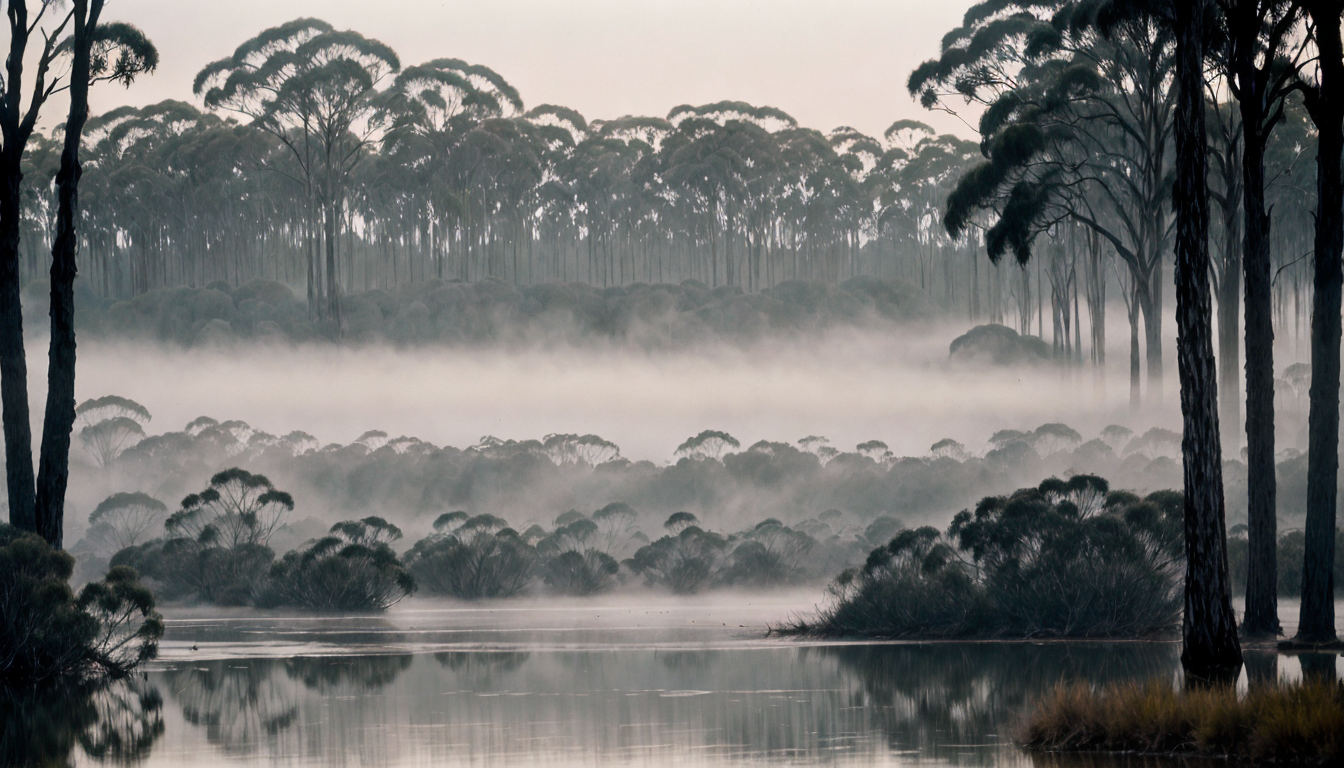
Aboriginal communities across Australia have long told stories of dangerous beings that live in waterholes, swamps and billabongs. The word "bunyip" comes from Aboriginal languages of south-eastern Australia.
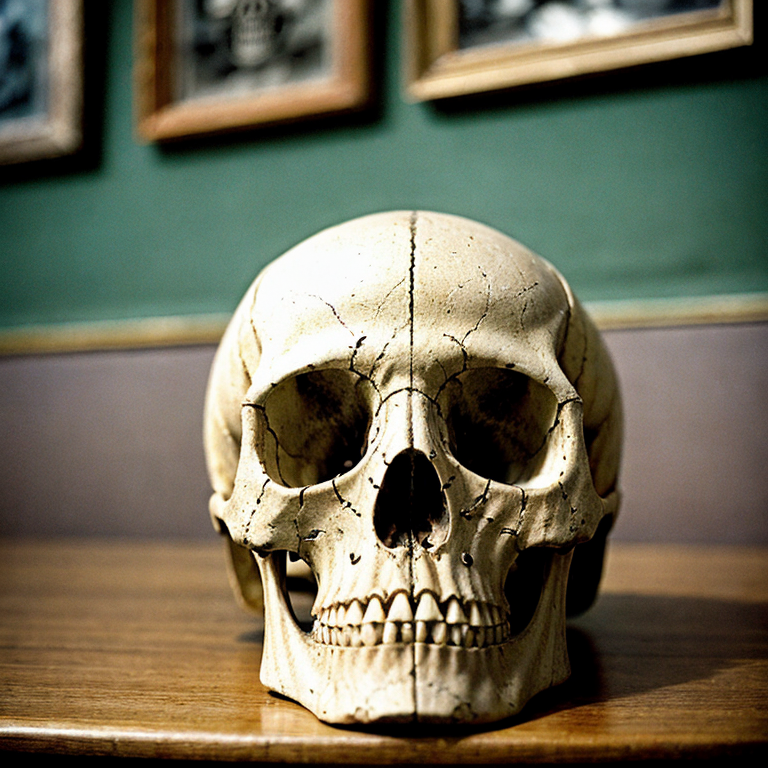
Settlers were writing about the bunyip by the 1840s (an earlier newspaper mention from 1812 is known), and newspapers reported sightings and finds. One particularly intriguing find came in 1847, when a strange skull found near the Murrumbidgee River was exhibited in Sydney. Naturalists decided it was the deformed skull of a foal or calf.
So, while scientists have their explanations, the bunyip remains an enduring part of Australia's folklore and cultural heritage.
Is There Proof of the Bunyip?
The Bunyip has been spotted across Australia’s vast wetlands and rivers, but pinning down proof is like trying to catch smoke with bare hands. Descriptions vary wildly: a dog-faced, seal-like animal, a long-necked serpent, a hairy creature with tusks, a big bird-like animal. Settler accounts came from many places, often in the early morning near water, but the descriptions don’t match up. No bones or skins have ever settled the question. Boffins are left scratching their heads.
Was the Bunyip Just a Big Bird?
Naturalists in the 1800s suggested seals, emus, large birds, and misidentified fossils or deformed animals as explanations. But settlers collected stories from Aboriginal people and wove them together with their own, which makes the original bunyip hard to separate from the colonial version.
So while some naturalists tried to tame the legend with science, the truth is that the bunyip remains a mysterious blend of folklore and imagination.
Could the Bunyip Be a Distant Memory?
Australia once had giant animals, including Diprotodon, a wombat-like marsupial the size of a rhinoceros that died out roughly 40,000 years ago. Aboriginal people have lived on the continent for at least 50,000 years. A 2015 study by Patrick Nunn and Nicholas Reid found that Aboriginal stories describing coastlines as they were before rising seas appear to have been passed down for more than 7,000 years. That is no proof that the bunyip remembers Diprotodon, but it shows how long a story can last.
The Verdict: Tall tale territory (2/10)
The Bunyip’s tales are a delightful tangle of myth and misadventure. While it’s tempting to see ancient giants like Diprotodon lurking in the lore, there’s no hard evidence tying Aboriginal stories directly to these long-extinct creatures. The accounts we have come from settlers who wove Aboriginal stories together with their own, making it tough to separate the original from the colonial version.
So here’s your verdict: 2/10 for Tall tale territory. The bunyip may be more at home in the swamp of imagination than the billabong, but the stories behind it deserve respect as living culture.
A note from the Cryptid Desk: we play the legend for laughs but the dates and facts are straight. Our plausibility rating is opinion, not science.
As an Amazon Associate, The Weird Report earns from qualifying purchases. Product links above are suggestions related to this article; they don't affect what we write.