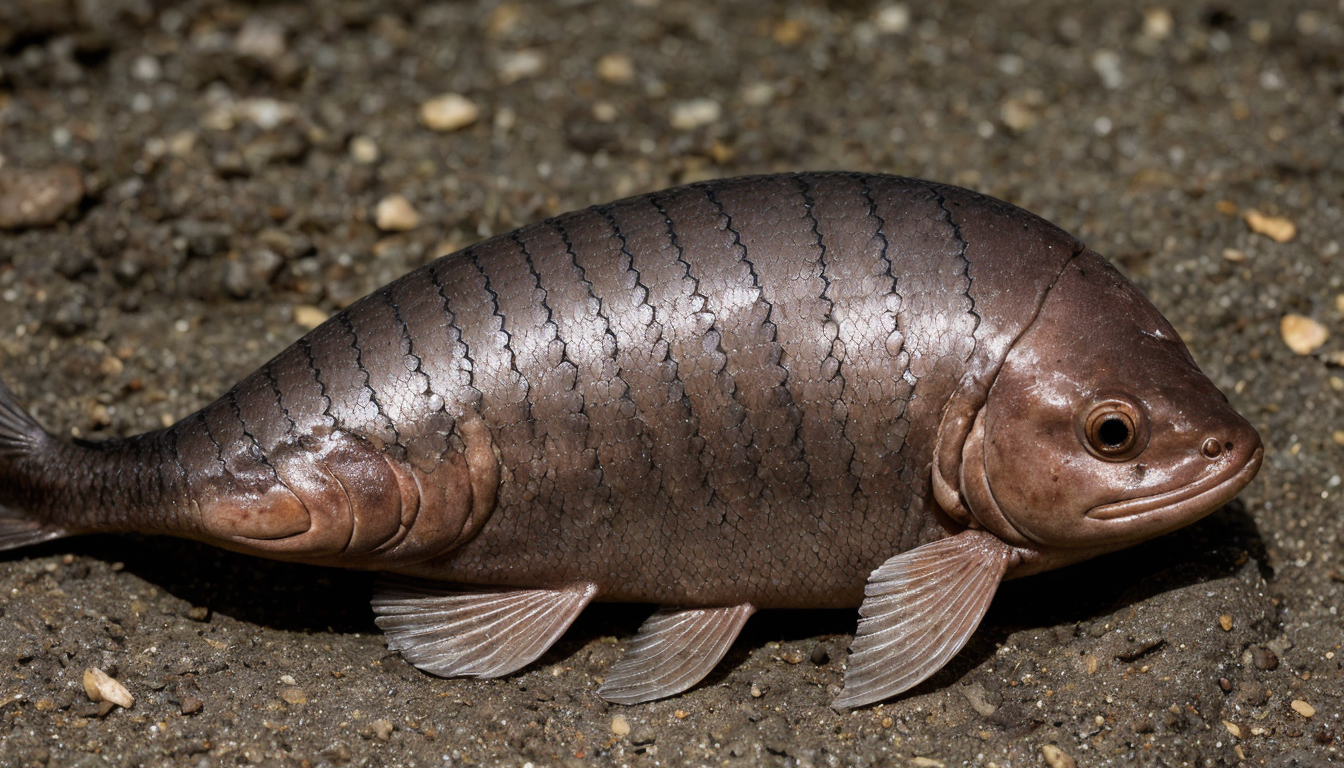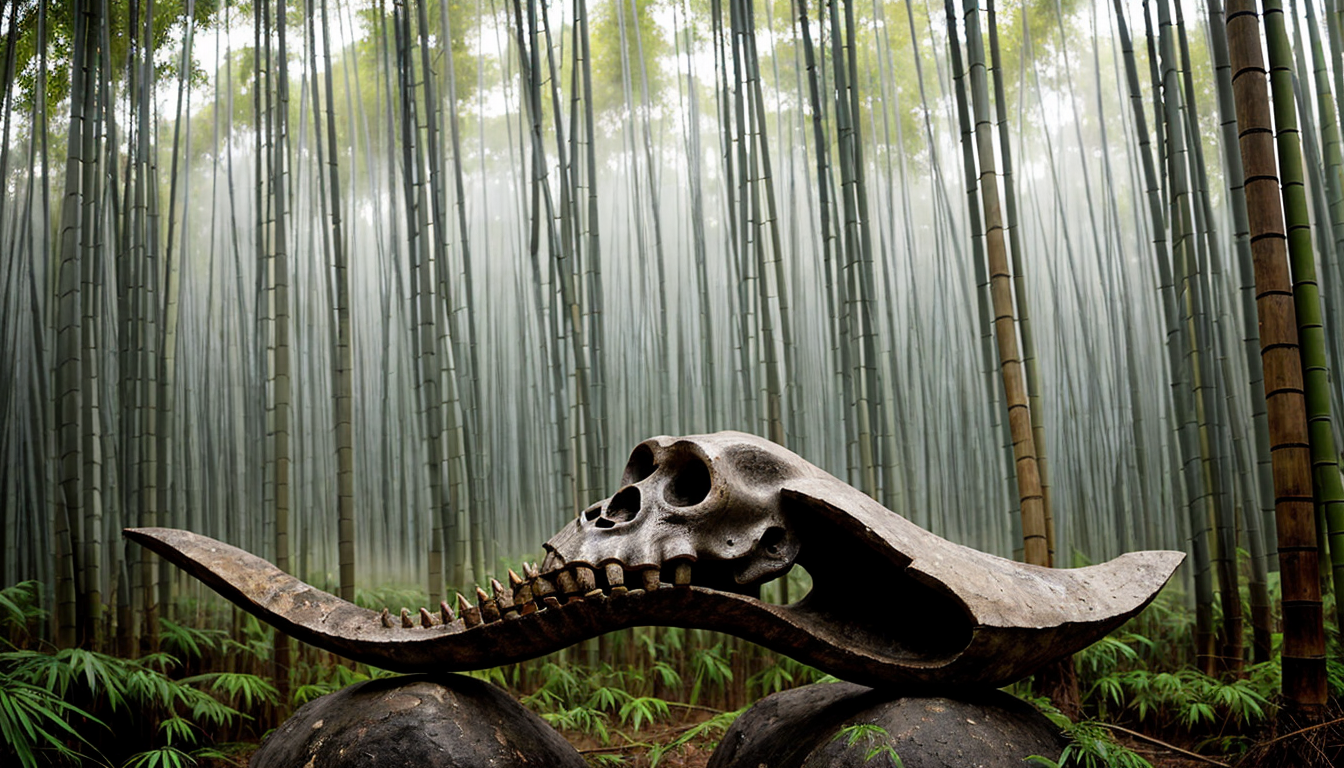
Gigantopithecus - yep, that’s the name of the giant ape that cryptozoology fans keep mistaking for Bigfoot. But don’t worry, you won’t find this guy wandering around the woods; it's been 300,000 years since he went extinct. Think of it as a real-life monster that was more likely to be found in a pharmacy than on your back porch. In 1935, palaeontologist Ralph von Koenigswald stumbled upon some gigantic fossil teeth being sold as 'dragon teeth' for traditional medicine in Hong Kong. So, while cryptozoologists dream of spotting this beast in the wild, we’ve got the real deal: bones and teeth that tell a story much older and more intriguing than any Bigfoot sighting. Stick with us to uncover the true history, the best evidence, and an honest verdict on whether Gigantopithecus was just too colossal for its time.
TL;DR
- Palaeontologist Ralph von Koenigswald discovered Gigantopithecus teeth in a Hong Kong pharmacy in 1935.
- No complete skeletons of Gigantopithecus have been found; evidence consists mainly of teeth and jaw fragments from caves in China and Vietnam.
- A 2019 study of ancient proteins from a Gigantopithecus tooth found that its closest living relatives are orangutans.
- Gigantopithecus went extinct around 300,000 years ago due to environmental changes, leaving behind only fossils and speculation.
Where Did Gigantopithecus Come From?
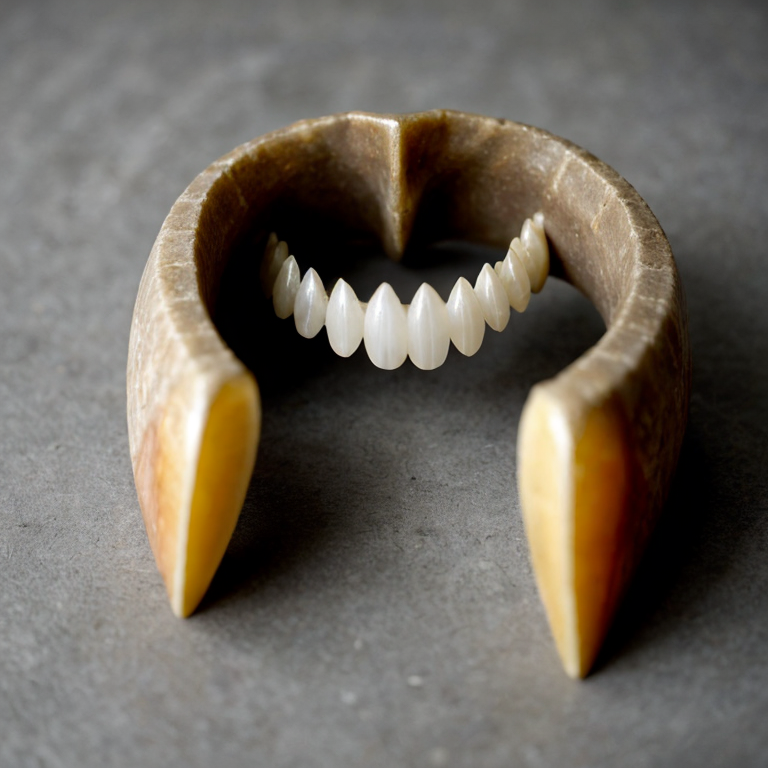
Imagine stumbling upon the evidence for a giant ape not at an archaeological dig but in a pharmacy selling traditional medicine. That’s exactly what happened in 1935 when palaeontologist Ralph von Koenigswald found enormous fossilised molars on sale as "dragon teeth." These weren’t just any old fossils - these were the first clues to a creature that would soon be dubbed Gigantopithecus, meaning 'giant ape.'
The story of this giant primate begins in caves and pharmacies across southern China. More teeth and jaw fragments have been unearthed over the years, giving scientists enough material to piece together an image of what Gigantopithecus might have looked like. However, despite decades of searching, no complete skeletons have turned up. The lack of full remains means that height estimates are based on educated guesses from the available teeth and jawbones.
So why were giant fossil teeth sitting in a pharmacy? Because fossil teeth were sold as 'dragon teeth' for use in traditional medicine, which is how von Koenigswald came across them.
Von Koenigswald's discovery kicked off a decades-long search that has yielded some jawbones and teeth from caves in China, with a few finds reported from Vietnam too. But without full skeletons or more complete remains, Gigantopithecus continues to be one of the most elusive creatures in prehistory.
Did Gigantopithecus Leave Any Clues?
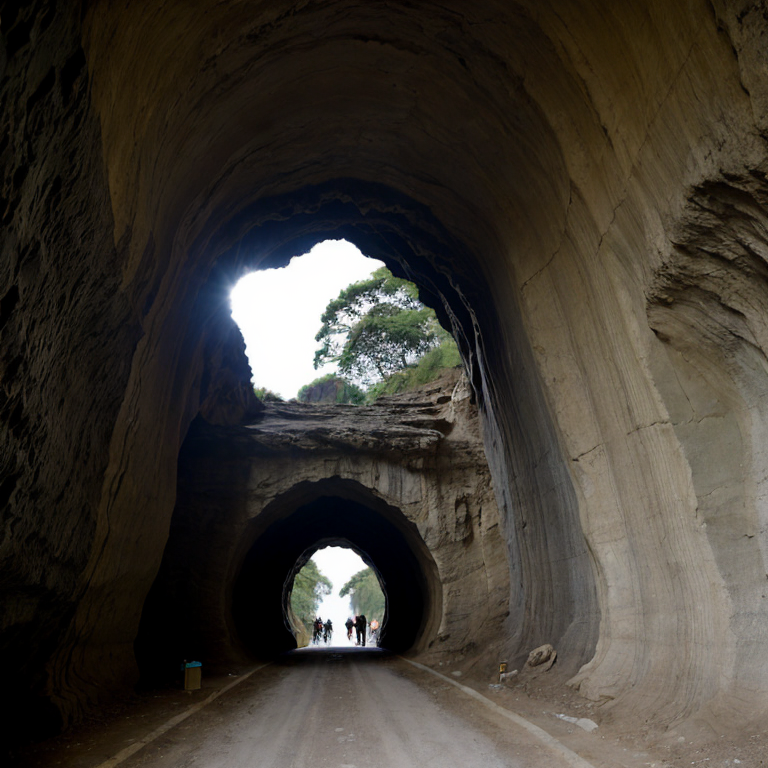
When it comes to proving the existence of a creature that vanished around 300,000 years ago, you might think there’d be precious little evidence left. But when it comes to Gigantopithecus, scientists have managed to dig up some surprisingly solid clues.
First off, let’s talk teeth. Gigantopithecus is mostly known through its dental remains, which turned up in apothecaries and pharmacies as “dragon teeth” back in the day. These massive molars are a dead giveaway that this was one hungry beast. They’re huge and flat - perfect for crushing tough plant matter.
But it’s not just about size; the structure of these teeth tells us even more. The enamel is thick, and the shape suggests Gigantopithecus had to chew through some serious vegetation.
Then there’s the jawbone. Set it next to a modern gorilla’s and the Gigantopithecus jaw looks like it belongs to a giant: it was far larger and deeper.
In 2019, scientists took things even further with a groundbreaking study. They managed to extract ancient proteins from one of those dragon teeth and found that Gigantopithecus was most closely related to orangutans. That helps place the creature on the evolutionary tree.
So while we can’t bring back Gigantopithecus for you to meet, these clues - especially those massive molars and jawbones - are pretty convincing proof that this giant ape once roamed the forests of Asia.
Did Gigantopithecus Become Bigfoot?

So what really explains it? Well, let's start with the cold hard facts: Gigantopithecus vanished around 295,000 years ago, leaving behind nothing but a few caves full of its fossilized remains. So why do some folks still insist this giant ape is roaming North America today?
First up, anthropologist Grover Krantz of Washington State University argued that Bigfoot could be a descendant of Gigantopithecus. Most scientists disagree, and here’s why: if Gigantopithecus did make the trip, you’d think scientists would’ve found a few bones by now. Instead, we’re still digging up fossils in Asia - none in North America.
Then there's the environmental factor. A 2024 study suggests that as forests turned into grasslands, Gigantopithecus couldn’t adapt to its shrinking food supply. Meanwhile, smaller apes like orangutans managed just fine. So while Bigfoot fans might love the idea of a giant ape hiding in the woods, the evidence says otherwise.
In short, if you’re hoping for a real-life Sasquatch descended from Gigantopithecus, it’s probably best to check your local pharmacy for "dragon teeth" instead. The truth is, we’ve got our fossils and they tell us all we need to know: Gigantopithecus was a cool beast, but it’s been gone for about 300,000 years now.
Could Gigantopithecus Be More Than Just a Myth?
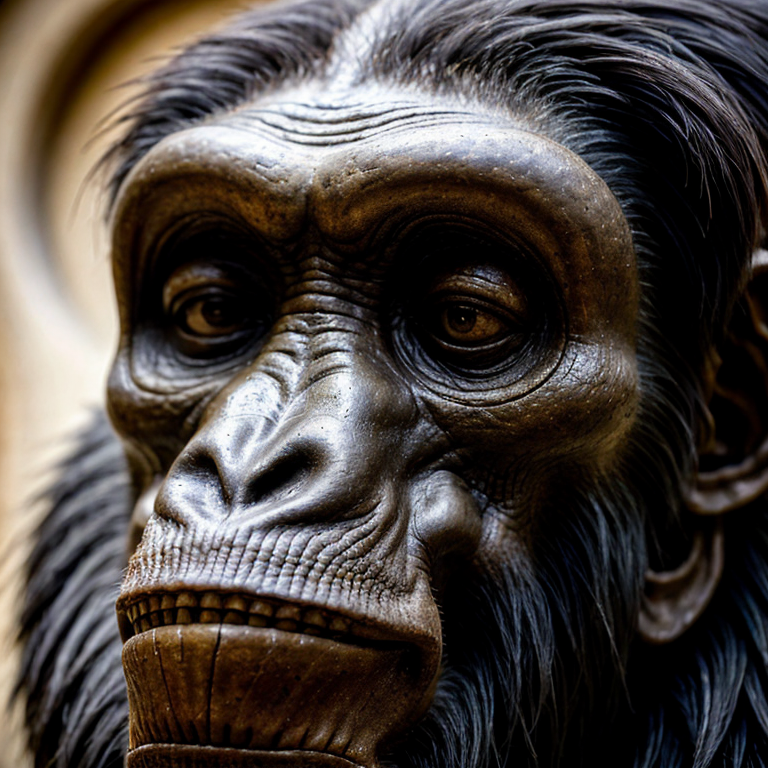
Boffins who study ancient apes have their work cut out for them. Fossil apes are as rare as hen’s teeth in the forested regions where they lived.
These worn-down fossils tell us plenty about what Gigantopithecus ate but little else. Tooth and isotope studies suggest the beast favoured fruits and other forest foods. Bamboo has also been thrown into the mix as a potential staple, but it’s more conjecture than confirmed fact.
So could any of this be true? Well, the plant diet certainly fits with what we know about big apes today. If Gigantopithecus was munching on fruit and leaves, that paints a picture of a gentle giant rather than a rampaging monster. But let’s not get too carried away: those few teeth don’t tell us if it walked upright like humans or swung from trees like orangutans.
The kicker? We’re still hunting for more clues to connect the dots between Gigantopithecus and today’s cryptozoology tales. Until then, the mystery remains as thick as a forest canopy.
The Verdict: Real, but extinct for ages (10/10)
Gigantopithecus might be the real giant ape that Bigfoot fans are always chasing, but it's been hanging up its boots for at least 215,000 years now. Its extinction coincided with a shift from lush forests to open grasslands, which made life tough for an enormous herbivore like Gigantopithecus. Today, the best place to see evidence of this ancient giant is in a museum or maybe as "dragon teeth" at your local pharmacy - but don't hold your breath for a sighting in the woods. At 10/10, it's real but long gone, leaving behind only tantalizing fossils and heaps of speculation. So while Bigfoot enthusiasts keep searching those North American forests, they might want to brush up on their paleontology too.
The Cryptid Desk files these stories with a wink. The documented history is real, the rating is a judgement call, and nothing here counts as proof of anything.
As an Amazon Associate, The Weird Report earns from qualifying purchases. Product links above are suggestions related to this article; they don't affect what we write.