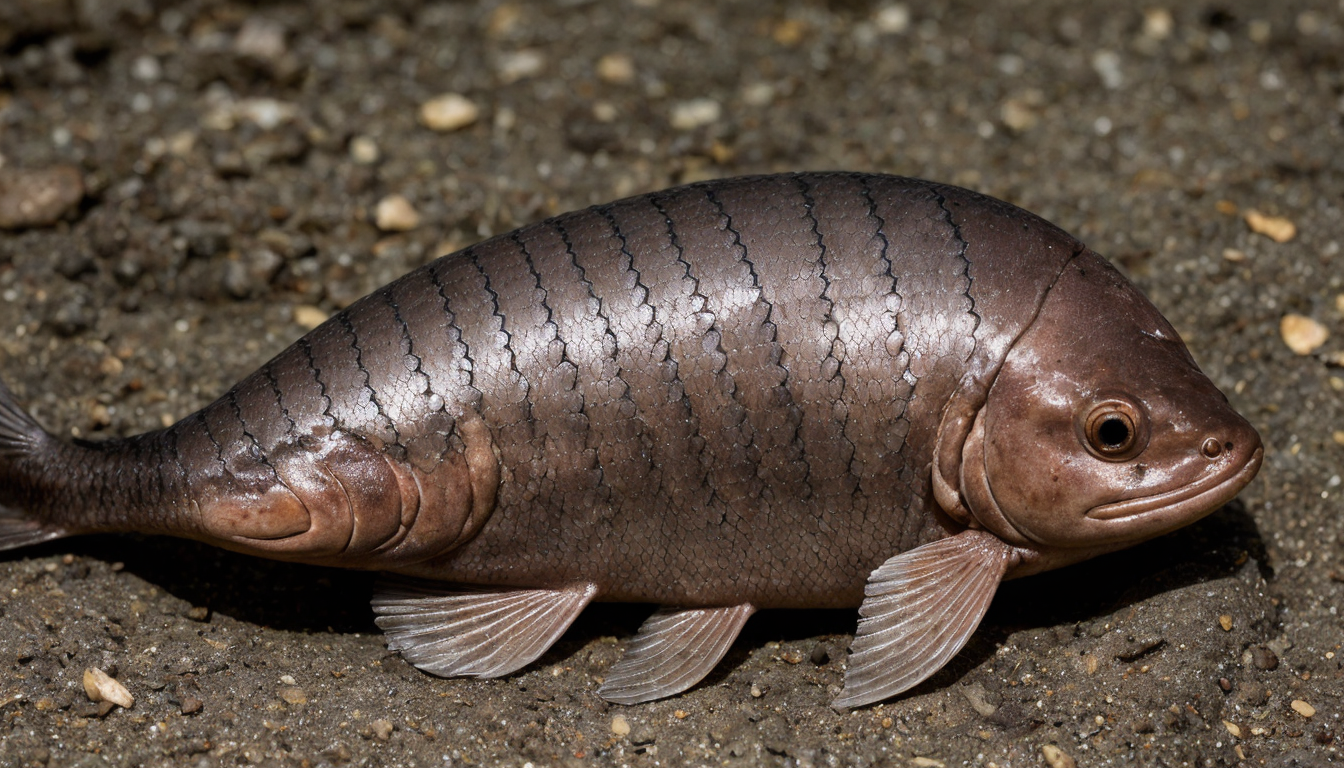
How Walking Fish Survived Evolution's Greatest Jumps
The transition from water to land was one of the most significant evolutionary leaps in the history of life on Earth. Among the many species that made this journey were fish capable of walking on their own limbs, a feat that challenges our understanding of evolutionary biology and the adaptability of aquatic creatures.
TL;DR
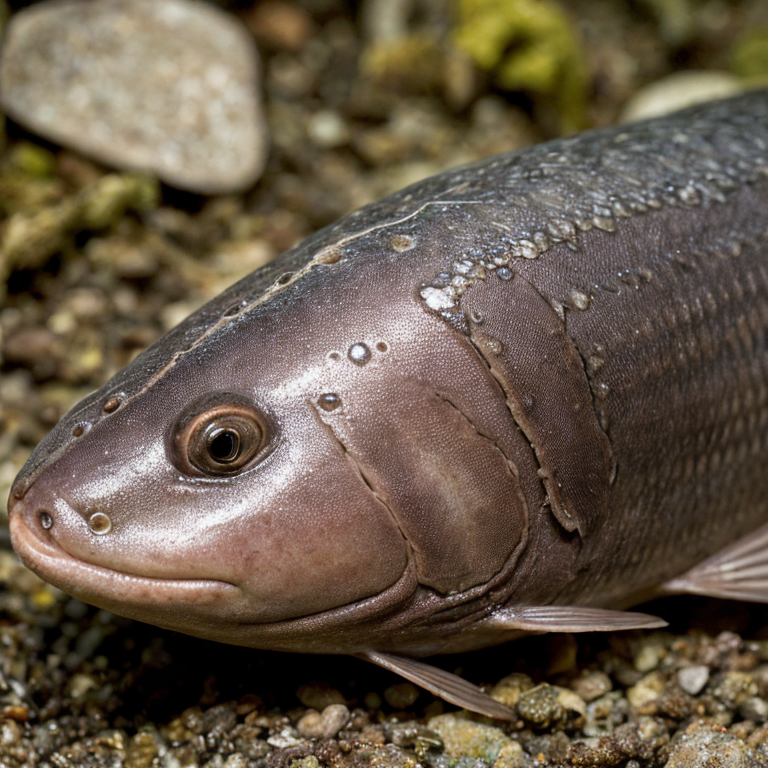
- Fish that walked on land are not mythical but real animals with documented fossil records.
- The transition from water to land involved gradual adaptations in limb structure and physiology.
- Ambulatory fish species today provide insights into how ancient fish might have made this transition.
- Walking fish evolved specialized features like fins that resemble limbs, allowing them greater mobility.
The Science Behind Walking Fish

Evolutionary Biology Basics
The study of evolutionary biology encompasses the understanding of how organisms change over time through genetic variation and natural selection. One of the most fascinating aspects is the evolution from aquatic to terrestrial life forms. This transformation required significant physiological changes, particularly in locomotion mechanisms and respiratory systems.
Key Adaptations for Terrestrial Life
- Limb Development: Early fish developed rudimentary limb-like structures that allowed them to navigate through shallow waters and eventually onto land.
- Respiratory Changes: Fish evolved from gill-based respiration to a combination of lung-like organs, enabling breathing in both aquatic and terrestrial environments.
Fossil Evidence
Fossil records provide crucial evidence for the existence of walking fish. These fossils often show intermediate stages between fully aquatic species and those capable of terrestrial movement, illustrating the gradual nature of evolutionary changes.
Notable Fossils
- Tiktaalik roseae: Discovered in 2004, Tiktaalik is a transitional fossil that exhibits features of both fish and early tetrapods. It has fins with limb-like bones, indicating its ability to support itself on land.
- Ichthyostega: A prehistoric creature dating back approximately 375 million years ago, Ichthyostega had strong limbs and a spine adapted for weight-bearing, suggesting it could walk on land.
Historical Context
Ancient Origins
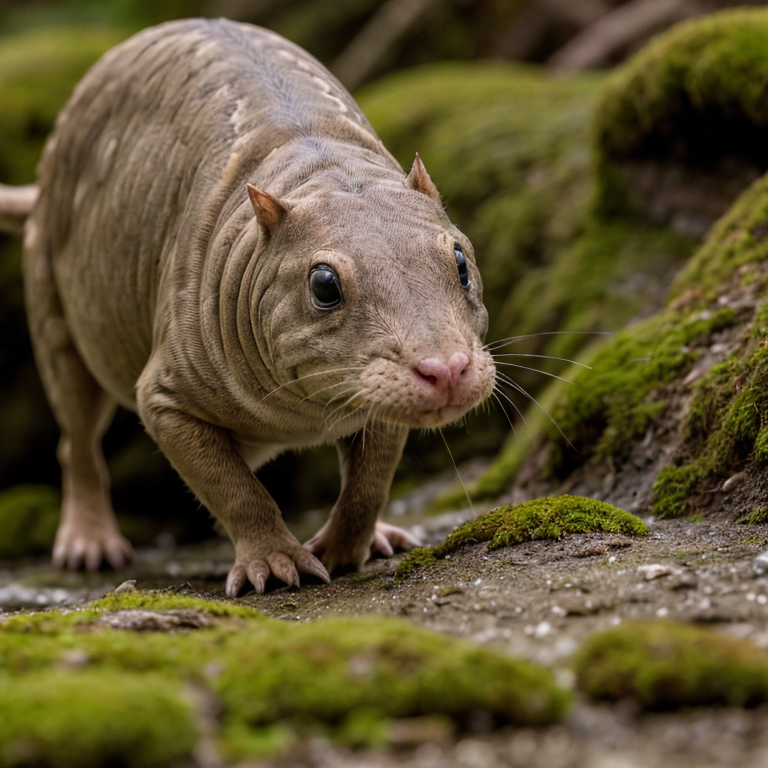
The evolution of walking fish traces its roots to the Devonian period (about 419 to 359 million years ago), when Earth's oceans teemed with diverse marine life. During this era, certain species began adapting to shallow coastal waters and eventually developed limbs that allowed them to move onto land.
Early Adaptations
- Shallow Water Dwellers: Fish living in the shallows had to adapt to fluctuating water levels and low oxygen conditions, which prompted changes like stronger fins and more efficient respiration.
- Environmental Pressures: Factors such as climate change and competition for resources may have driven fish out of deeper waters into areas that required greater mobility.
Prehistoric Life Forms
Understanding the evolutionary lineage of walking fish involves tracing their ancestors back through various stages. These early forms gradually developed features necessary for terrestrial life, marking significant milestones in evolution.
Ancestral Lineages
- Panderichthys: A Devonian fish with a broad skull and limb-like fins, Panderichthys is considered an important transitional species between fish and tetrapods.
- Acanthostega: Another key fossil from the late Devonian period, Acanthostega had eight digits on each hand, suggesting it was capable of intricate movements similar to those seen in early amphibians.
Etymology and Cultural Significance
Naming Conventions
The term "walking fish" is a colloquial description for various species that exhibit terrestrial locomotion. Scientifically, these creatures are often classified within specific genera or families based on their unique characteristics and evolutionary history.
Common Names
- Biblical Fish: Some walking fish have been given names like "Moses' basket fish," which reflects cultural interpretations rather than scientific classification.
- Salamander Fish: Due to their ability to breathe air, some species are called "salamander fish" as they share characteristics with amphibians.
Cultural and Mythological Influences
Throughout history, walking fish have inspired myths and legends in various cultures. These stories often attribute supernatural qualities or divine origins to these creatures, reflecting human fascination with the strange and wondrous aspects of nature.
Folklore Examples
- Japanese Kappa: In Japanese folklore, the kappa is a water-dwelling creature sometimes described as having limbs that allow it to walk on land.
- European Water Sprites: Various European folktales feature aquatic beings capable of moving between water and land, often with human-like features.
Contemporary Insights
Modern Fish Species
Today, several fish species exhibit characteristics reminiscent of their ancient ancestors. These modern walking fish provide valuable insights into the evolutionary processes that enabled early terrestrial life forms to thrive.
Notable Modern Species
- Polypterus senegalus: Also known as the "dinosaur eel," this African fish can breathe air and move on land using its fins, resembling the locomotion patterns of ancient transitional species.
- Lungfish (Protopterus spp.): Lungfish possess both gills and lungs, allowing them to survive in oxygen-depleted waters by breathing air. They also have limb-like appendages that enable terrestrial movement.
Scientific Studies
Recent research has shed light on the genetic and physiological mechanisms underlying the transition from water to land. Scientists study these modern fish species to better understand how their ancient relatives might have adapted to new environments.
Key Research Findings
- Genetic Adaptations: Studies reveal specific gene mutations that enable walking fish to develop limbs similar to those seen in early tetrapods.
- Behavioral Studies: Observing how modern fish move on land provides clues about the behaviors of their prehistoric counterparts and the challenges they faced.
Misconceptions
Myth vs. Reality
Despite scientific evidence, misconceptions persist regarding the existence and capabilities of walking fish. Some popular beliefs confuse myth with reality or overstate the abilities of these creatures based on limited understanding.
Common Misunderstandings
- Supernatural Origins: Beliefs that walking fish have divine origins or are mythical beings rather than real animals.
- Exaggerated Abilities: Claims that certain species can walk long distances or thrive exclusively on land, which is not supported by scientific evidence.
Clarifying the Facts
It is crucial to distinguish between folklore and factual knowledge when discussing walking fish. Scientific research and fossil records provide a more accurate understanding of these creatures' evolutionary history and current behaviors.
Correcting Misinformation
- Educational Programs: Initiatives aimed at educating the public about the true nature of walking fish help dispel misconceptions.
- Scientific Outreach: Engaging with communities through lectures, documentaries, and interactive exhibits promotes a deeper appreciation for the natural world.
Conclusion
The journey from water to land was a pivotal moment in evolutionary history, marked by the emergence of walking fish as early pioneers of terrestrial life. Through fossil evidence, scientific research, and contemporary studies of modern species, we gain valuable insights into how these remarkable creatures adapted to new environments and paved the way for more complex forms of life on Earth.
Understanding the strange history of walking fish not only enhances our knowledge of evolutionary biology but also underscores the resilience and adaptability of nature. As we continue to explore the origins of life on land, these ancient aquatic wanderers remain a testament to the enduring quest for survival and adaptation in the face of changing environments.
As an Amazon Associate, The Weird Report earns from qualifying purchases. Product links above are suggestions related to this article; they don't affect what we write.