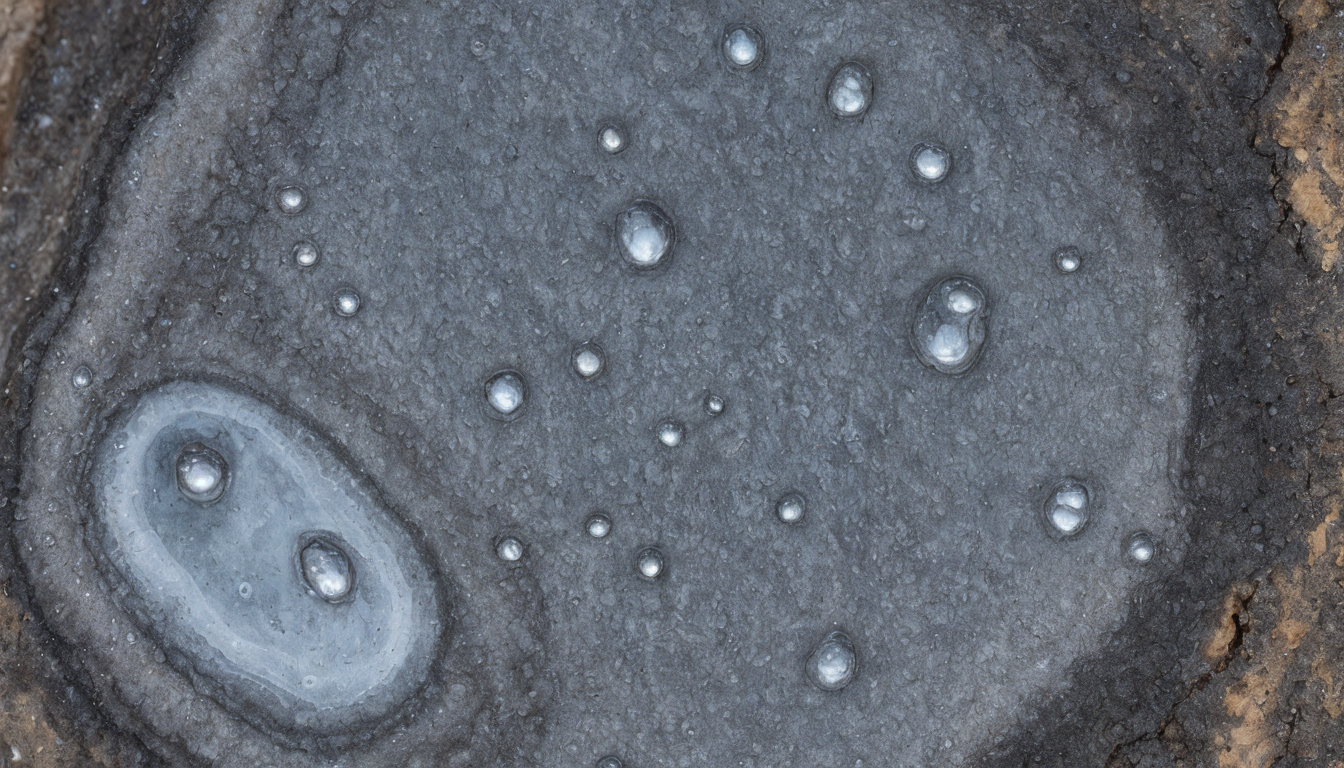
Rain Turned to Stone: The Unusual History Explained
TL;DR:
- Petrified rain is a rare geological phenomenon where rain droplets are transformed into solid stone through mineralization processes.
- This unusual occurrence provides insights into ancient weather patterns and environmental conditions.
- Despite its name, petrified rain is not actual water but rather silica-rich minerals that mimic the shape of raindrops.
- The process involves rapid precipitation of dissolved minerals around a raindrop or droplet of water.
- Studying petrified rain contributes to our understanding of mineral formation and geological history.
Formation Process
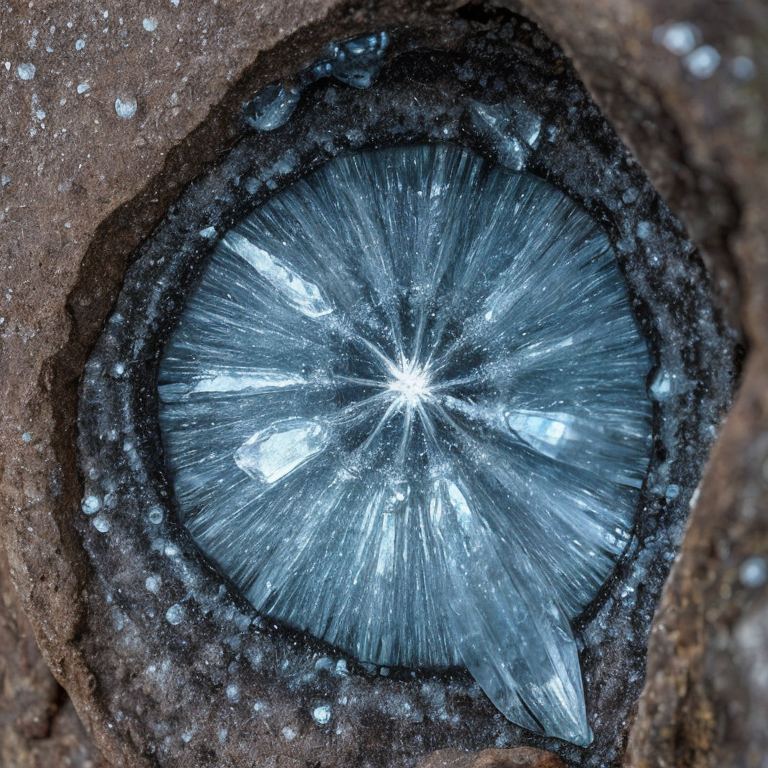
Petrified rain, also known as "stone rain," is an intriguing geological phenomenon in which droplets of rain are transformed into solid stone. This process involves the rapid precipitation of dissolved minerals around a raindrop or water droplet, effectively creating a fossilized replica of the original liquid form. The mineral composition typically consists primarily of silica (silicon dioxide), though other minerals can also play a role depending on local geological conditions.
Mineralization and Silica
The formation begins when rainwater percolates through soil rich in dissolved silica or other minerals, such as calcium carbonate. As the water evaporates from the droplets, it leaves behind these minerals which then crystallize to form stone structures resembling the original shape of the droplet. This process is similar to how petrified wood forms, where organic material is replaced by mineral deposits over time.
Rapid Mineral Precipitation
The key factor in the formation of petrified rain is rapid precipitation, often triggered by specific environmental conditions such as high humidity and temperature fluctuations. The sudden crystallization of minerals around a droplet can occur within minutes to hours after the water evaporates, creating an exact replica of the droplet's shape.
Historical Context

Petrified rain has been observed in various geological formations across different regions and time periods. While not common, these occurrences provide valuable insights into ancient weather patterns and environmental conditions during specific epochs.
Discovery and Early Records
The first recorded instances of petrified rain date back to the late 19th century when geologists began documenting unusual rock formations that appeared to mimic natural water droplets. These early records were often met with skepticism, leading many scientists to conduct extensive studies to understand this phenomenon further.
Geographical Distribution
Petrified rain has been found in several locations worldwide, including parts of North America, Europe, and Asia. Each region's unique geological makeup contributes to the specific mineral composition and appearance of these stone formations.
Etymology and Cultural Significance

The term "petrified rain" combines two words: "petrify," meaning to turn into stone, and "rain," referring to water falling from clouds as droplets. This descriptive name highlights the unique nature of this geological phenomenon.
Scientific Terminology
In scientific literature, petrified rain is sometimes referred to as "dripstone formations" or "mineralized raindrops." These terms emphasize the process by which minerals crystallize around a liquid droplet rather than focusing solely on the end result.
Cultural and Folklore Connections
While not directly related to any specific cultural mythologies, petrified rain has captured the imagination of many people due to its unusual appearance. Some local legends may attribute these formations to mystical or supernatural causes, although such interpretations are not scientifically supported.
Misconceptions and Myths
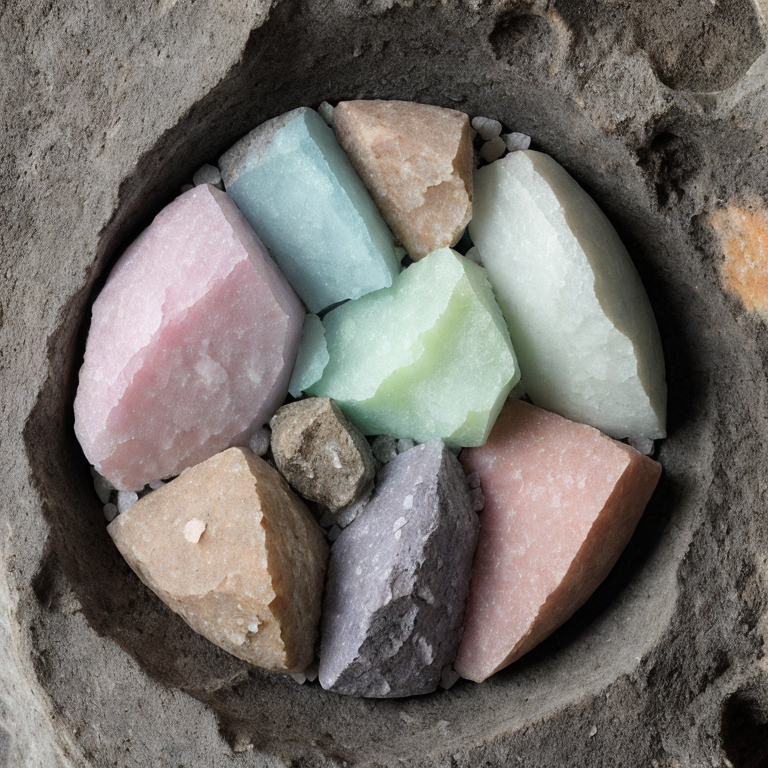
Despite being a well-documented geological phenomenon, petrified rain is often misunderstood or associated with various myths and misconceptions.
Water Transmutation Myth
One common misconception is that actual water has been turned into stone. However, the process of petrification involves mineral deposition around a droplet rather than direct transformation of liquid water itself.
Supernatural Origin Belief
Some cultures may attribute these formations to supernatural causes due to their unique appearance and rarity. While fascinating from an anthropological perspective, such beliefs do not align with scientific explanations for how petrified rain forms.
Scientific Importance
Understanding the formation and characteristics of petrified rain contributes significantly to our knowledge in various geological fields.
Mineral Formation Studies
Petrified rain provides valuable insights into mineral deposition processes. By studying these formations, scientists can better understand how different minerals crystallize under varying environmental conditions.
Paleoclimatology Insights
As a result of their formation during specific weather events and climatic periods, petrified rain serves as important evidence for paleoclimatologists seeking to reconstruct ancient climates and weather patterns.
Conclusion
Petrified rain represents an intriguing geological phenomenon that offers both scientific value and aesthetic appeal. Through ongoing research and documentation, we continue to expand our understanding of this rare occurrence's role in Earth’s natural history and its implications for mineral formation studies. While it may evoke curiosity and wonder among observers, petrified rain remains firmly grounded in the principles of geology and environmental science rather than folklore or mythology.