
Earthquake Predictors: How Wasps May Know What's Coming
TL;DR
- Wasps may exhibit unusual behavior before earthquakes due to changes in the environment caused by seismic activity.
- Research suggests that wasps can detect subtle ground vibrations and shifts in air pressure associated with impending quakes.
- Scientists are studying how insects like wasps could be used as part of an early warning system for natural disasters.
- Theories about insect earthquake prediction have been around since ancient times but lack concrete scientific evidence.
Introduction to the Phenomenon

The idea that certain animals, including wasps, can predict earthquakes has intrigued scientists and laypeople alike. While there is no conclusive proof that insects such as wasps can accurately forecast seismic events, some observations suggest they might sense changes in their environment that precede major quakes. This article delves into the scientific theories behind this phenomenon, historical accounts of animal earthquake prediction, and current research efforts to understand insect behavior in relation to seismic activity.
The Science Behind Wasp Behavior During Earthquakes
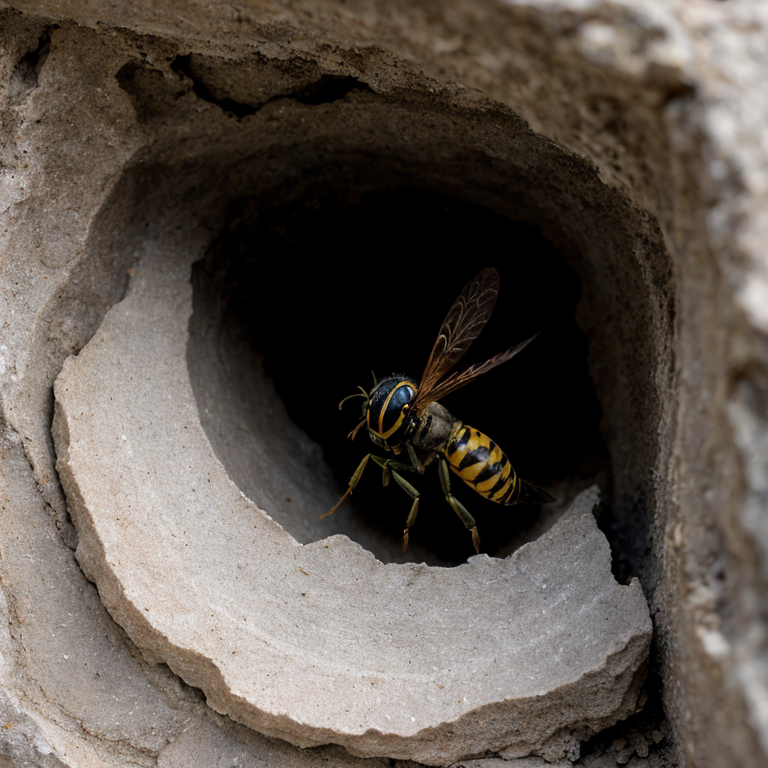
Environmental Changes Before an Earthquake
Before a significant seismic event occurs, there are several environmental changes that might affect living organisms. These include:
-
Subtle Ground Vibrations: Seismic waves travel through the ground before the main shockwave arrives. Insects like wasps could potentially detect these low-frequency vibrations.
-
Changes in Air Pressure and Composition: Earthquakes can cause shifts in atmospheric pressure, humidity levels, and even electromagnetic fields. Wasps might react to these changes by altering their behavior.
Sensory Abilities of Wasps
Wasps possess a range of sensory organs that allow them to detect environmental cues:
-
Vibration Sensors: The legs of wasps are equipped with sensitive hair cells that can pick up on slight ground movements.
-
Chemoreceptors: These receptors help wasps sense changes in the air composition, which might be altered before an earthquake.
Hypothetical Mechanisms for Seismic Prediction
While the exact mechanism is still unclear, researchers propose several theories:
-
Vibration Detection Hypothesis: Wasps could use their vibration sensors to detect seismic waves and respond by changing their behavior.
-
Chemical Signal Theory: Changes in air composition might release chemical signals that wasps can sense.
Historical Context: Animals and Earthquake Prediction
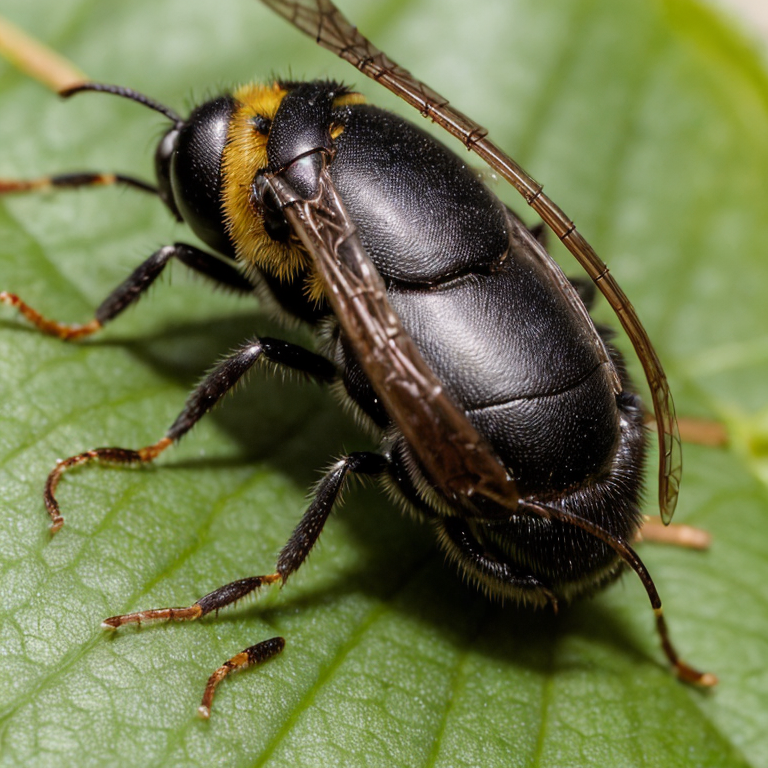
Ancient Observations
The idea of animals predicting earthquakes dates back centuries. Ancient civilizations, such as the Greeks and Chinese, noted unusual animal behaviors preceding seismic events:
-
Greek Historian Thucydides: Recorded observations from around 431 BCE where fish in a lake became agitated before an earthquake hit.
-
Chinese Seismologist Zhang Heng (78–139 AD): Developed the first seismoscope, which was inspired by observing animal behavior and atmospheric changes.
Modern Accounts
In recent decades, numerous reports have described animals acting strangely before earthquakes:
-
Sanriku Earthquake in 1933: Fishermen reported that sea creatures such as octopuses were crawling out of the water days before a major quake.
-
Sichuan Earthquake in 2008: Dogs and other pets exhibited unusual behavior, including excessive barking and whining.
Cultural Significance

Folklore and Superstitions
Many cultures have developed their own explanations for why animals might predict earthquakes:
-
Japanese Folklore: Believes that snakes escaping from underground caves before a quake signify an imminent disaster.
-
Greek Mythology: Includes stories of Poseidon sending signs through the sea to warn humans about impending quakes.
Scientific Interest
While folk beliefs persist, modern science aims to separate fact from fiction:
-
Academic Studies: Researchers are conducting controlled experiments and field observations to understand how animals might sense seismic activity.
-
Collaboration with Seismologists: Scientists work together to correlate animal behavior data with earthquake records for more accurate predictions.
Misconceptions About Wasps and Earthquakes
Common Myths Debunked
Despite numerous anecdotal reports, several misconceptions exist about wasp behavior and earthquakes:
-
Myth: Wasps Can Predict Quakes Accurately: There is no empirical evidence that any insect can predict earthquakes with consistent accuracy.
-
Misunderstanding of Cause-and-Effect Relationships: Some people incorrectly assume that unusual animal activity directly causes earthquakes.
Limitations in Current Research
Current studies face several challenges:
-
Small Sample Sizes: Limited data makes it difficult to draw broad conclusions about wasp behavior patterns.
-
Complex Environmental Factors: Multiple environmental variables can influence insect behavior, complicating efforts to isolate seismic effects.
Future Directions and Opportunities
Integrating Insects into Early Warning Systems
As technology advances, integrating animal observations could enhance existing earthquake prediction methods:
-
Sensors for Wasp Behavior Monitoring: Deploying sensors in wasp colonies might provide real-time data on potential ground disturbances.
-
Combining Multiple Data Sources: Combining insect behavior with other monitoring techniques like GPS and seismic sensors.
Ethical Considerations
While the idea of using insects as natural early warning systems is promising, ethical concerns must be addressed:
-
Impact on Insect Populations: Monitoring wasps could disrupt their natural habitats and behaviors.
-
Sustainability of Practices: Ensuring that any new methods do not harm ecosystems or wildlife.
Conclusion
The concept of wasp behavior predicting earthquakes remains intriguing but requires further scientific investigation. While historical accounts and anecdotal evidence suggest a link between insects and seismic activity, current research lacks definitive proof. As scientists continue to explore this phenomenon, integrating modern technology with traditional observations may hold the key to developing more effective early warning systems for natural disasters.
By understanding how wasps interact with their environment before earthquakes, researchers hope to uncover new insights into predicting these devastating events and potentially save lives in the future.